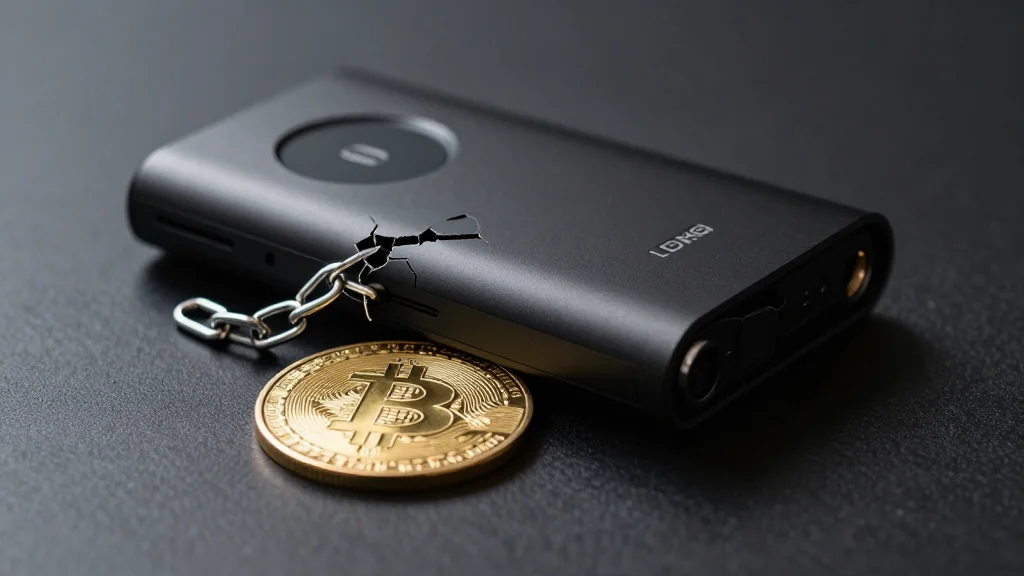
Fake Ledger App on Apple App Store Drains Over $400,000 in Bitcoin
Why It Matters
The breach demonstrates how fake wallet apps can bypass official platforms, exposing even savvy users to massive financial loss, and it raises questions about exchange cooperation in crypto asset recovery.
Key Takeaways
- •Fake Ledger app stole 5.92 BTC from musician
- •Seed phrase entered on laptop gave thieves full control
- •Funds routed through KuCoin deposit addresses, recovery unlikely
- •Experts urge offline storage and air‑gapped hardware wallets
Pulse Analysis
The recent theft of roughly $424,000 in Bitcoin from musician G. Love illustrates a growing threat vector: counterfeit cryptocurrency wallet applications masquerading as legitimate software in official app stores. Apple’s Mac App Store, traditionally viewed as a curated ecosystem, was exploited to host a fake version of Ledger Live that mimicked the authentic user interface. When victims enter their 24‑word seed phrase—a cryptographic master key—on any internet‑connected device, they effectively hand over control of every address derived from that phrase. This incident serves as a stark reminder that even reputable platforms can be leveraged by sophisticated scammers to harvest private keys.
On‑chain investigators, led by ZachXBT, quickly traced the 5.92 BTC to a series of KuCoin deposit addresses, suggesting the thieves leveraged the exchange’s instant‑swap infrastructure to launder the proceeds. KuCoin’s recent loss of its MiCA license in February 2026 has already cast doubt on its regulatory posture, and the lack of a clear recovery path underscores the limited recourse victims have when exchanges are unwilling or unable to cooperate. The episode also fuels ongoing debates about the responsibility of app‑store operators, exchange compliance teams, and blockchain analytics firms in mitigating such attacks.
For the broader crypto community, the lesson is unequivocal: seed phrases must remain offline, stored in physical form, and never entered into software running on a networked device. Industry leaders are calling for stricter verification processes for wallet apps, enhanced user education, and the adoption of air‑gapped hardware wallets that isolate private keys from potential malware. As the market matures, regulators may push for clearer standards around app‑store listings and exchange accountability, but until then, individual vigilance remains the most effective defense against similar scams.
Fake Ledger App on Apple App Store Drains Over $400,000 in Bitcoin
Comments
Want to join the conversation?
Loading comments...