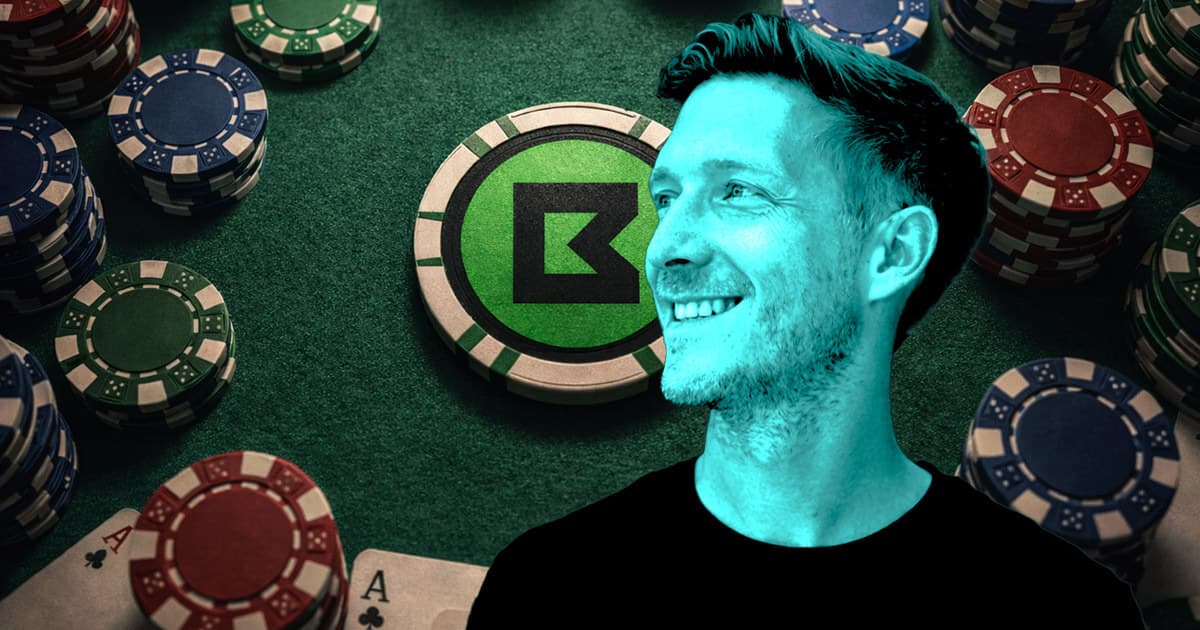
Fantium CEO Jonathan Ludwig Says Sports Tokenization Needs Utility, Alignment, and Real Access
Why It Matters
By linking token ownership to actual prize‑money and bankroll performance, Fantium creates a viable financing tool for athletes and a new revenue channel for fans, potentially reshaping sports capital markets and expanding crypto adoption beyond speculative trading.
Key Takeaways
- •Fantium tokenizes athlete prize money, not sponsorships
- •Tokens require aligned upside/downside for clubs and athletes
- •Platform operates P2P, no intermediaries, on Solana
- •$BANK token funds poker players, token buy‑back model
Pulse Analysis
Sports tokenization has surged in the past few years, yet many projects remain speculative, offering fans digital collectibles without tangible financial benefits. Industry observers warn that without clear utility and aligned incentives, tokens risk becoming fleeting hype, vulnerable to regulatory scrutiny and low liquidity. Ludwig’s remarks echo a growing consensus that successful token models must embed real economic activity—such as revenue sharing or financing—so that ownership translates into measurable upside for both investors and the underlying sport entities. Such models also promise new revenue streams for clubs willing to embed tokens into ticketing, merchandise, and exclusive content.
Fantium tackles those challenges by allowing athletes to tokenize a portion of their prize‑money earnings, a revenue stream that is transparent, predictable, and auditable. The platform operates on Solana, leveraging the blockchain’s high throughput and low fees while executing peer‑to‑peer contracts that eliminate traditional intermediaries. By focusing on prize money rather than volatile sponsorships, Fantium delivers a financing solution that aligns the athlete’s upside with token holders, fostering direct relationships and granting supporters access‑driven utilities tied to verified ownership. The choice of Solana also positions Fantium to tap into existing DeFi liquidity pools, enhancing token tradability for supporters.
The company’s recent launch of the $BANK poker bankroll token extends the same principle to on‑chain financing for professional poker players. By purchasing tokenized slices of tournament buy‑ins, investors fund player variance while the token’s buy‑back mechanism recycles returns, creating a self‑sustaining flywheel. This approach illustrates how sports‑capital markets can broaden beyond traditional team sports, offering a template for other performance‑based activities and signaling a shift toward regulated, utility‑centric token ecosystems that attract both crypto enthusiasts and mainstream investors. If regulators endorse transparent token structures, this blueprint could accelerate adoption across esports, fantasy leagues, and other competitive domains.
Fantium CEO Jonathan Ludwig says sports tokenization needs utility, alignment, and real access
Comments
Want to join the conversation?
Loading comments...