First Crypto, Now Data Centers: How Tech Is Reshaping This North Carolina Community
Companies Mentioned
Why It Matters
The shift from crypto mining to AI computing intensifies energy and water demands on rural grids, forcing communities to confront regulatory gaps and balance economic incentives with environmental and quality‑of‑life concerns.
Key Takeaways
- •Core Scientific converting crypto mine to AI data center in Marble, NC.
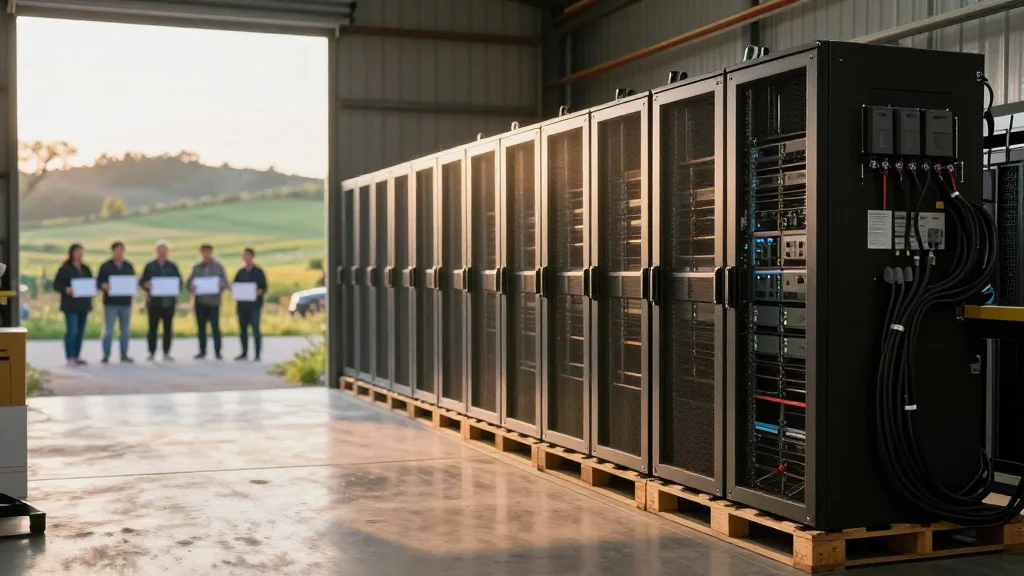
- •Facility spans 250,000 sq ft, uses power of a medium-sized town.
- •Cherokee County received $268,000 in 2024 taxes, now seeks full valuation.
- •Multiple western NC towns enacted moratoriums on new data centers.
- •State lawmakers propose bills to make data centers cover full energy costs.
Pulse Analysis
The decline of cryptocurrency profitability has left a surplus of high‑density power infrastructure in places like Cherokee County. Operators such as Core Scientific are leveraging existing electrical lines, cooling systems, and large warehouse footprints to meet the soaring demand for AI compute, a transition that requires minimal new construction but dramatically increases continuous energy draw. This repurposing mirrors a national pattern where former crypto farms become the backbone of AI services, underscoring how the same grid‑intensive assets can pivot between digital economies.
For the residents of western North Carolina, the transformation is far from seamless. The Marble data center’s 250,000‑square‑foot footprint draws as much electricity as a small town and taps local water tables through newly drilled wells, prompting concerns over noise, visual blight, and long‑term environmental impact. While the facility returned $268,000 in tax revenue for 2024, officials argue that the community’s fiscal benefit must be weighed against the strain on utilities and the loss of the area’s tranquil character. Consequently, towns like Boone, Clyde, and Canton have enacted temporary bans, and county commissioners are re‑examining planning boards to craft safeguards without imposing heavy zoning restrictions.
Legislators across the United States are watching these local battles as a bellwether for broader policy. Bills introduced in North Carolina aim to curtail incentives for data centers and require operators to shoulder the full cost of their energy consumption, while states from Maine to New York are debating outright moratoriums. The outcome will shape investment decisions for firms eyeing rural sites for AI workloads and could set precedents for how rapidly evolving digital infrastructure is regulated in communities that lack the resources to negotiate complex utility agreements.
First crypto, now data centers: How tech is reshaping this North Carolina community
Comments
Want to join the conversation?
Loading comments...