FTX Founder Sam Bankman-Fried Files Presidential Pardon Request From Prison

Companies Mentioned
Why It Matters
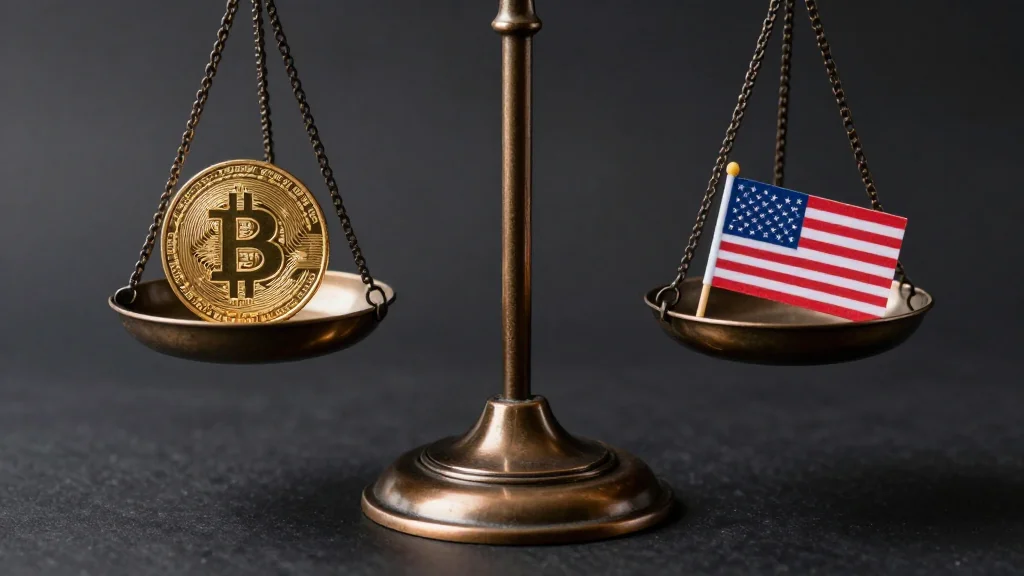
The pardon request underscores the lingering legal and reputational fallout from the FTX collapse, the largest crypto‑exchange failure in history. A presidential pardon would not only affect SBF’s personal fate but could also signal how the U.S. government balances punitive measures against high‑profile digital‑asset crimes with broader economic considerations. The case is a litmus test for the crypto sector’s push for regulatory clarity, as investors watch for any indication that the government might adopt a more lenient stance toward industry leaders. Moreover, the episode highlights the intersection of criminal justice and market confidence. Crypto markets are highly sensitive to regulatory signals; a pardon could be read as a softening of enforcement, potentially encouraging risk‑taking behavior among founders and investors. Conversely, a denial would reinforce the message that fraud in the crypto space will be met with the full force of the law, possibly prompting tighter compliance standards and more cautious capital allocation.
Key Takeaways
- •Sam Bankman-Fried filed a presidential pardon request; status listed as pending by the DOJ
- •He is serving a 25‑year sentence for fraud, embezzlement and conspiracy related to FTX’s collapse
- •Prosecutors allege a $40 million bribe paid to Chinese officials to unlock frozen crypto
- •President Donald Trump publicly said he does not plan to grant a pardon to SBF
- •A pardon could influence future regulatory and legal treatment of crypto executives
Pulse Analysis
The SBF pardon filing arrives at a moment when the crypto industry is still grappling with the aftershocks of the FTX implosion. While the market’s immediate reaction has been muted, the broader narrative is one of uncertainty about how the justice system will handle digital‑asset fraud going forward. Historically, presidential pardons have been used to correct perceived overreach or to reward political allies; in this case, the request appears driven by personal survival rather than any policy agenda. If the White House were to grant the pardon, it could be interpreted as a tacit acknowledgment that the original sentencing was excessively harsh, potentially emboldening other crypto founders to seek similar relief.
However, the political calculus for Trump is different. His administration has already issued a series of high‑profile pardons, but most have been tied to political allies or cases with clear public sympathy. SBF’s case lacks that narrative, and the public backlash from victims of the FTX collapse could make a pardon politically costly. The administration’s reluctance thus reinforces a growing consensus among regulators that crypto fraud will be treated with the same severity as traditional financial crimes.
Looking ahead, the outcome of this pardon request will likely influence legislative efforts aimed at clarifying the legal framework for digital assets. Lawmakers may cite the SBF case when drafting stricter disclosure and custody rules, arguing that the existing punitive approach is necessary to deter future misconduct. Conversely, a pardon could fuel arguments for a more nuanced regulatory regime that distinguishes between reckless entrepreneurship and outright fraud. In either scenario, the episode adds a new chapter to the evolving relationship between crypto innovators and the U.S. legal system, with implications that will reverberate through investor sentiment, compliance costs, and the strategic direction of the industry.
FTX founder Sam Bankman-Fried files presidential pardon request from prison
Comments
Want to join the conversation?
Loading comments...