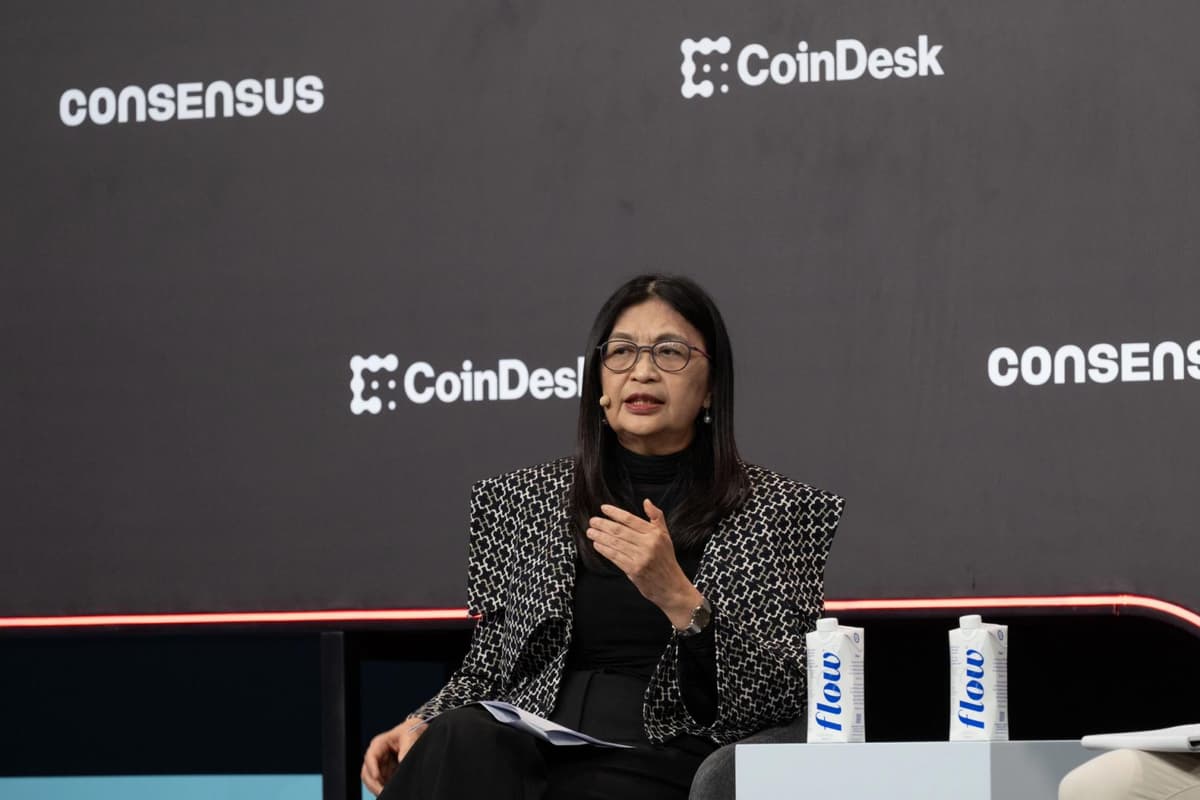
Hong Kong Working to Allow Perpetual Contracts, Chief Regulator Says
Why It Matters
By legitimizing perpetual futures for institutions, Hong Kong positions itself as a regulated hub for crypto derivatives, attracting global capital. The move also sets standards for risk controls, enhancing market confidence.
Key Takeaways
- •SFC to publish high-level perpetual contracts framework
- •Perpetual futures limited to institutional investors initially
- •BTC and ETH accepted as collateral for financing
- •Market‑making units must have independent conflict‑of‑interest rules
- •Broker financing requires strong credit profiles
Pulse Analysis
Hong Kong has been steadily building a reputation as a gateway for digital‑asset finance, leveraging its robust legal system and proximity to mainland China. The Securities and Futures Commission’s 2025 roadmap earmarked crypto‑related services as a priority, following earlier consultations on custody and anti‑money‑laundering standards. By moving from advisory papers to a concrete framework, the regulator signals confidence in the sector’s maturity and its willingness to compete with established hubs such as Singapore and London. This regulatory clarity is expected to draw both local and foreign firms seeking a stable environment for innovation.
The forthcoming high‑level framework will allow licensed platforms to list perpetual futures, a product that mirrors traditional derivatives but settles continuously without an expiry date. Access will be restricted to institutional investors, ensuring participants possess the capital and risk‑management capabilities required for leveraged exposure to volatile assets like Bitcoin and Ether. The SFC also mandates independent market‑making units and strict conflict‑of‑interest policies, addressing concerns that have plagued unregulated exchanges. Additionally, brokers may extend financing secured by BTC or ETH, provided borrowers meet stringent credit criteria, further integrating crypto into mainstream collateral practices.
These measures could reshape Hong Kong’s financial landscape by creating a regulated pipeline for crypto‑derivative trading and financing. Institutional players gain a compliant avenue to hedge or gain exposure, while the city benefits from increased fee revenue and talent inflow. Moreover, the clear rules may encourage other jurisdictions to adopt similar standards, fostering global interoperability of digital‑asset markets. As the framework rolls out, market participants will watch for detailed risk‑control requirements, which will determine how quickly liquidity builds and whether Hong Kong can capture a meaningful share of the burgeoning perpetual futures market.
Hong Kong working to allow perpetual contracts, chief regulator says


Comments
Want to join the conversation?
Loading comments...