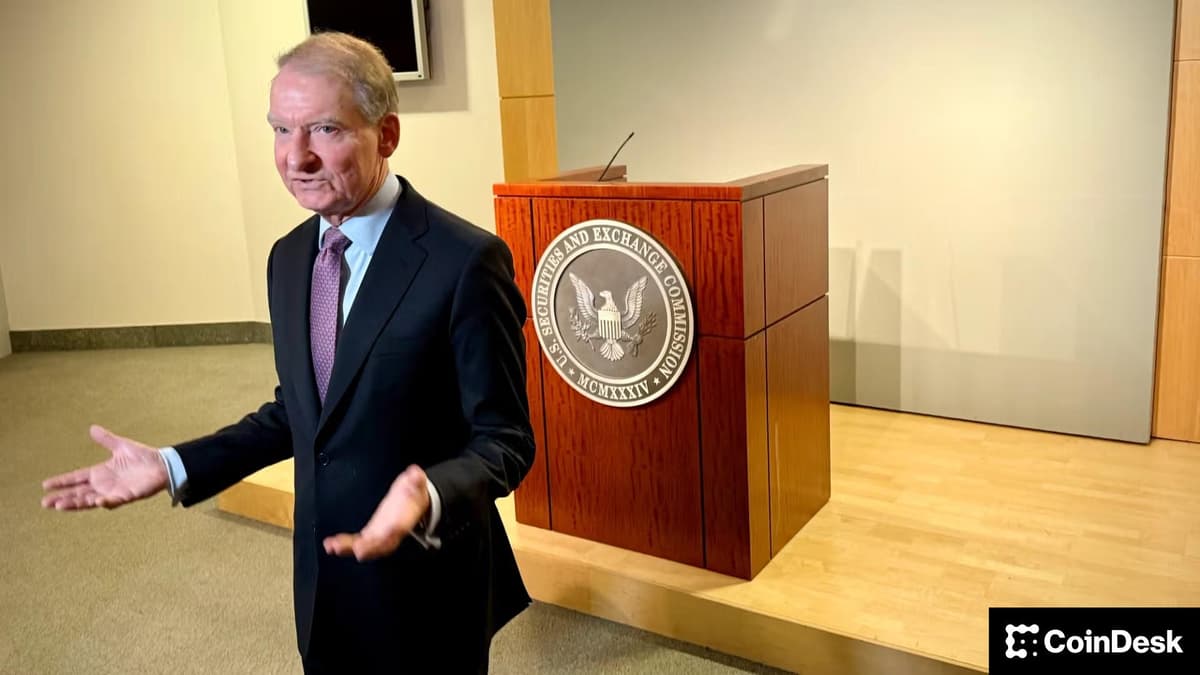
House Democrats Slam SEC for Dropping Crypto Cases with Trump Ties
•January 15, 2026
0
Companies Mentioned


Why It Matters
If the SEC’s independence is compromised, investor confidence in U.S. markets could falter, and the crypto sector may face uneven regulatory treatment.
Key Takeaways
- •SEC dismissed over a dozen crypto cases since early 2025.
- •Cases include Binance, Coinbase, Kraken, and Justin Sun.
- •Democrats allege pay‑to‑play linked to Trump donations.
- •Letter demands case reinstatement and transparency from SEC.
- •Watchdog report cites 159 halted actions, $3.1B penalties avoided.
Pulse Analysis
The SEC’s abrupt cessation of high‑profile crypto enforcement actions has ignited a political firestorm, underscoring the delicate balance between regulatory authority and partisan influence. By dropping cases against industry giants such as Binance and Coinbase, the agency not only sidestepped potential penalties but also sent a signal to market participants about the volatility of oversight. Lawmakers argue that this pattern aligns with sizable contributions to the Trump campaign, raising questions about whether regulatory decisions are being swayed by financial ties rather than legal merit.
For investors, the perception of a "pay‑to‑play" environment can translate into heightened risk premiums and reduced liquidity in digital asset markets. When enforcement appears selective, confidence erodes, prompting capital flight to jurisdictions with clearer rules. Moreover, the stalled case against Justin Sun, a figure linked to both the Trump family and alleged Chinese interests, illustrates how geopolitical considerations may further complicate the SEC’s mandate. Restoring consistent enforcement would reinforce market integrity, protect retail investors, and reaffirm the United States’ position as a leading hub for crypto innovation.
The controversy fits within a broader narrative of the current administration’s approach to corporate accountability. Public Citizen’s report highlights 159 halted enforcement actions, sparing companies over $3 billion in penalties, suggesting a systematic de‑prioritization of regulatory rigor. If unchecked, this trend could embolden not only crypto firms but also traditional corporations to test the limits of oversight. Stakeholders are watching closely, as any shift toward stricter enforcement could reshape compliance strategies, influence legislative reforms, and ultimately determine the trajectory of U.S. financial markets.
House Democrats slam SEC for dropping crypto cases with Trump ties
0
Comments
Want to join the conversation?
Loading comments...