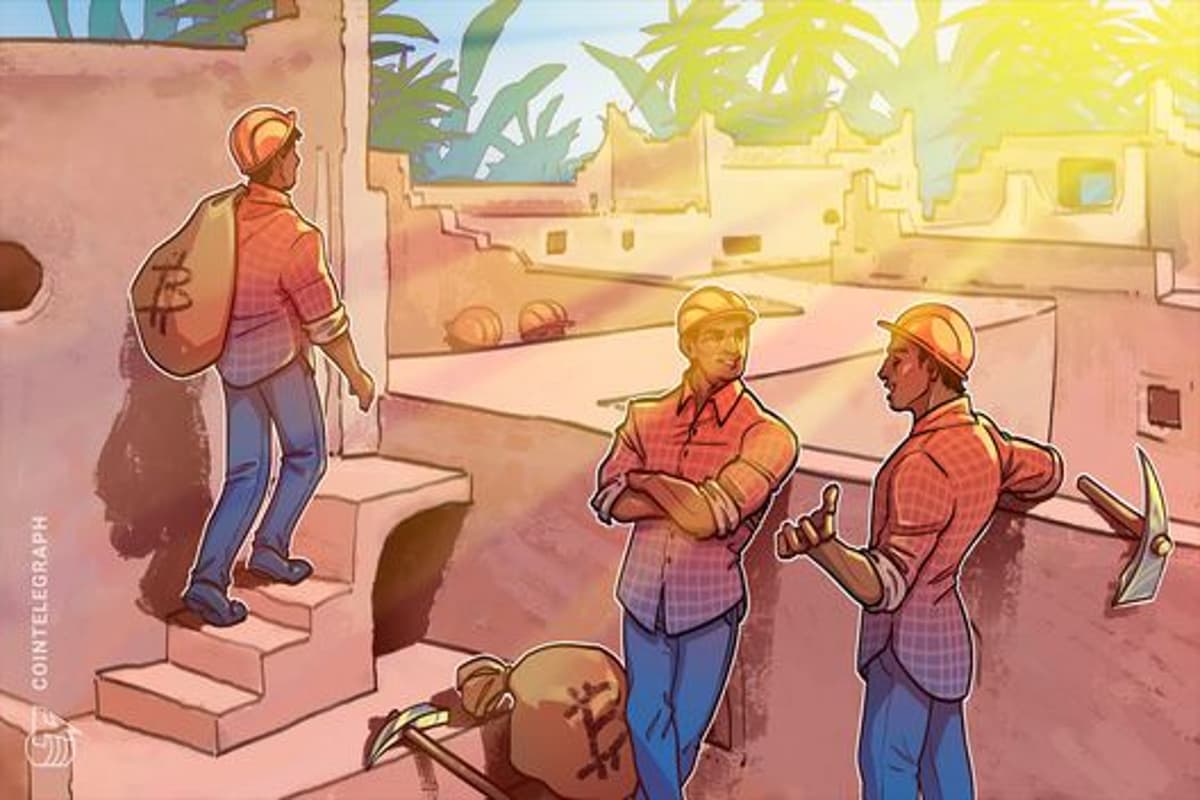
How Cheap Power Turned Libya Into a Bitcoin Mining Hotspot
•December 19, 2025
0
Why It Matters
The mining boom strains Libya’s fragile grid, diverting subsidized power from essential services and risking wider blackouts. Its resolution will signal how resource‑poor states manage crypto‑driven energy demand and regulatory uncertainty.
Key Takeaways
- •Libya electricity costs $0.004/kWh, among world’s cheapest.
- •Mining accounted for ~0.6% global Bitcoin hash rate in 2021.
- •Illegal farms consume ~2% of Libya’s total electricity output.
- •Government raids target Chinese operators and domestic miners alike.
- •Regulatory ambiguity fuels mining despite import bans and legal risks.
Pulse Analysis
Libya’s ultra‑low electricity tariff creates a classic arbitrage opportunity for Bitcoin miners. At $0.004 per kilowatt‑hour, power is effectively free compared with rates in Europe or North America, allowing even legacy ASICs to generate profit. Analysts estimate that at its height the sector consumed about 0.855 TWh annually—roughly two percent of the nation’s total generation. This cheap‑energy model mirrors other emerging mining hotspots, such as Iran and certain African states, where subsidised grids attract capital that would otherwise be unviable.
The regulatory landscape in Libya is a patchwork of bans and omissions. While the Central Bank declared virtual currencies illegal in 2018 and a 2022 decree barred mining hardware imports, no law explicitly criminalises the act of mining itself. This gray zone has encouraged foreign operators, particularly Chinese nationals, to ship used rigs through smuggling routes and set up covert farms in industrial warehouses. Recent raids—seizing thousands of devices and handing prison sentences—highlight the state’s shift from tolerance to enforcement, a pattern echoed across the Middle East and Africa.
Policymakers now grapple with whether to integrate mining into the formal economy or eradicate it outright. Licensing and metering could turn a hidden drain on the grid into a taxable revenue stream, potentially funding grid rehabilitation and job creation. Conversely, strict bans risk pushing operations deeper underground, exacerbating electricity theft and power outages. Libya’s experience offers a cautionary template for other fragile states: without transparent energy pricing and clear crypto legislation, cheap power will continue to lure high‑energy industries, challenging both economic stability and energy security.
How cheap power turned Libya into a Bitcoin mining hotspot
0
Comments
Want to join the conversation?
Loading comments...