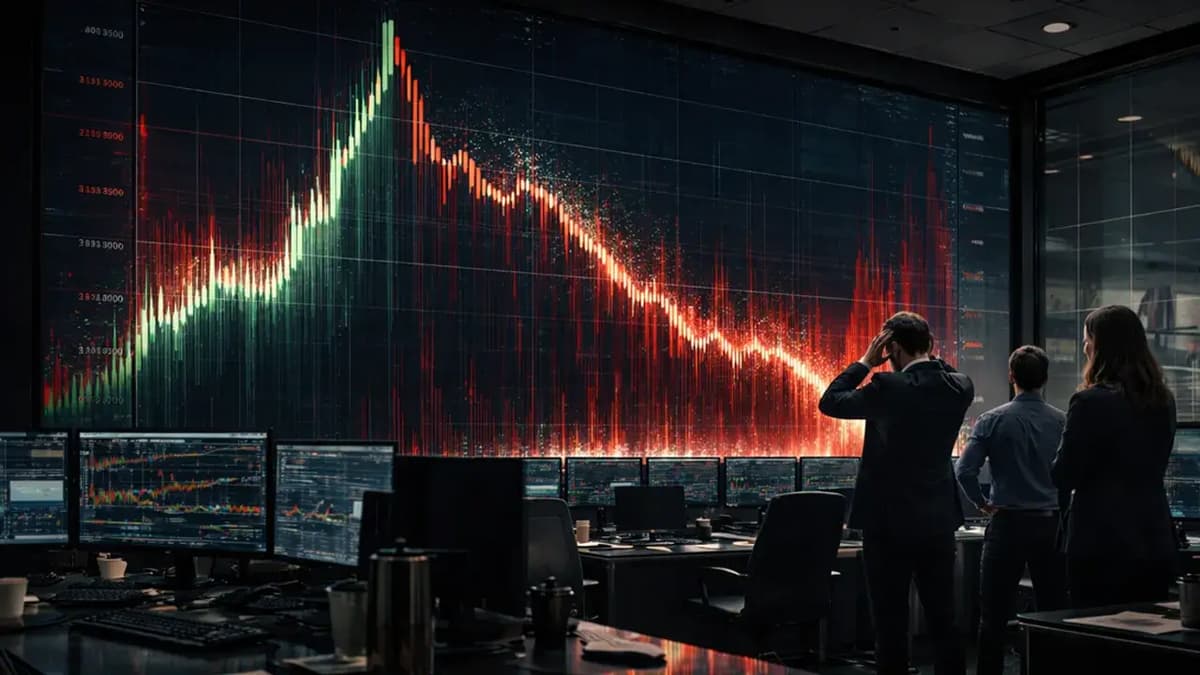
How Crypto Futures Markets Are Feeding ‘Scam Coin’ Insider Pump and Dumps
Why It Matters
The episode exposes how derivatives markets can amplify manipulation of low‑float tokens, threatening retail investors and prompting regulatory scrutiny of exchange listing practices.
Key Takeaways
- •RAVE’s price rose 5x then fell 95% within hours
- •90%+ of RAVE supply held in a single wallet
- •Derivatives volume 24.7x spot, outpacing tradable float
- •Similar pump‑dump patterns seen in SIREN and ARIA tokens
- •Exchanges face pressure to enforce float‑aware listing standards
Pulse Analysis
The RAVE collapse illustrates a repeatable exploit where a token with an ultra‑concentrated supply is paired with a perpetual futures market. When a handful of wallets control the majority of the token, even modest buying pressure can trigger forced liquidations of short positions, propelling the price upward. Insiders then unload large blocks into the artificially inflated market, causing a rapid price reversal that wipes out retail participants. This dynamic was evident in RAVE’s 24‑hour futures volume of roughly $3.36 billion—over 24 times its spot turnover—leaving open interest larger than the effective float.
Beyond RAVE, the same mechanics have unfolded with SIREN and ARIA. Both tokens displayed double‑digit futures‑to‑spot ratios (40.5x and 12.0x respectively) and extreme negative funding rates, signaling crowded short positions ready for a squeeze. Exchanges benefit from the surge in derivatives trading fees, while regulators grapple with the lack of clear safeguards for thin‑float assets. The concentration of supply—often over 80% in a single wallet cluster—creates an asymmetry where market makers can engineer price spikes that are disconnected from genuine demand.
Industry observers argue that the next step is to codify float‑aware listing standards. Requirements could include minimum circulating supply thresholds, wallet‑concentration screening, and reduced leverage caps for assets with shallow order books. Such measures would curb the profitability of pump‑and‑dump schemes while preserving legitimate trading activity. As crypto derivatives volume continues to dwarf spot trading—$18.63 trillion versus $1.94 trillion in Q1 2026—the pressure on exchanges to adopt stricter controls will intensify, shaping the future regulatory landscape for digital asset markets.
How crypto futures markets are feeding ‘scam coin’ insider pump and dumps
Comments
Want to join the conversation?
Loading comments...