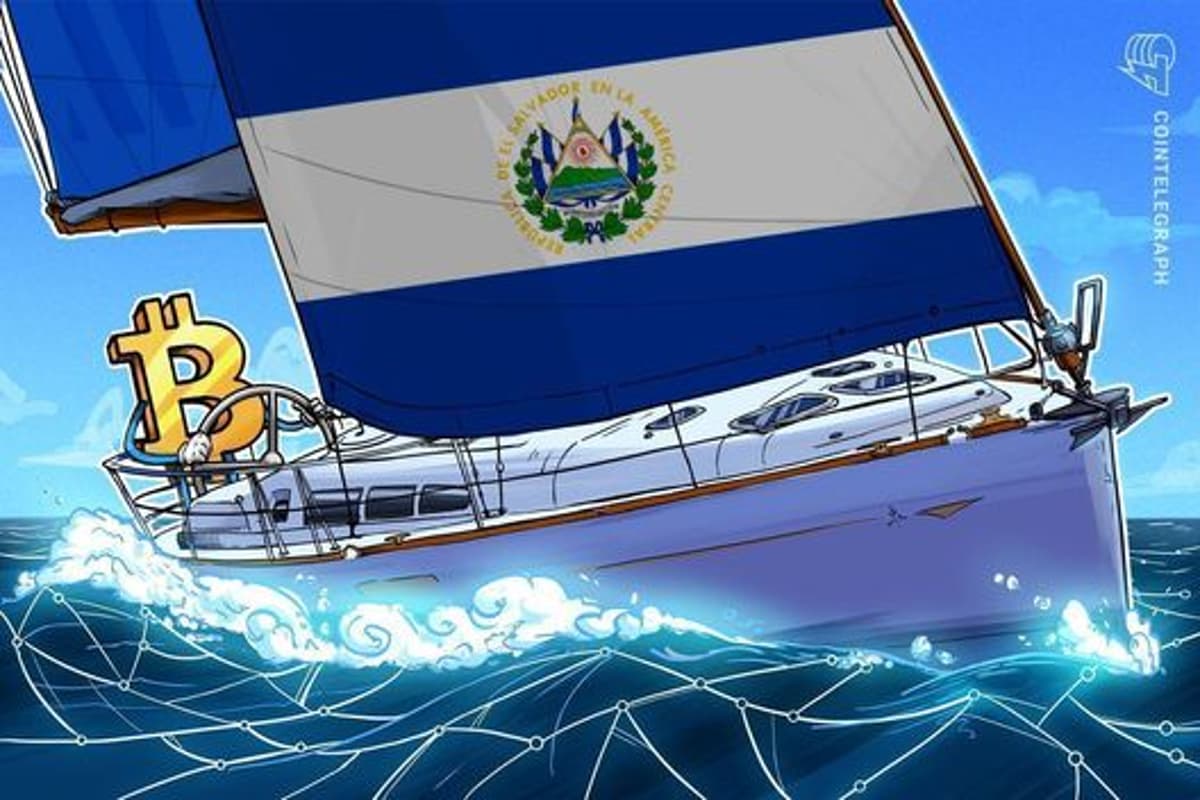
IMF Says El Salvador in Talks to Sell State-Run Chivo Bitcoin Wallet
Companies Mentioned
Why It Matters
The potential sale tests El Salvador’s ability to meet IMF loan terms while maintaining its high‑profile Bitcoin agenda, influencing both sovereign credit risk and global crypto policy debates.
Key Takeaways
- •IMF negotiations to sell Chivo wallet are well advanced
- •El Salvador still buying Bitcoin despite IMF loan conditions
- •Government holds 7,509 BTC, valued ~$659 million
- •Sale could affect IMF loan compliance and fiscal stability
- •Bukele pledges daily Bitcoin purchases, challenging agreement
Pulse Analysis
El Salvador’s experiment with Bitcoin as legal tender has become a litmus test for how emerging economies can integrate digital assets into national finance. After the IMF’s May 2024 loan, the fund demanded a cessation of new BTC purchases and a phased exit from the Chivo e‑wallet, aiming to reduce fiscal risk and improve macro‑economic stability. Yet President Bukele’s commitment to daily Bitcoin acquisitions signals a political calculus that prioritizes crypto visibility over strict compliance, raising questions about the enforceability of IMF conditionalities in a sovereign’s policy arena.
The negotiations to sell Chivo, now described as "well advanced," could provide the IMF with a tangible lever to enforce its loan terms. A successful transaction would not only generate immediate revenue—potentially offsetting part of the $120 million IMF disbursement—but also symbolically curtail the government’s direct involvement in crypto retail services. However, the lack of disclosed details about the buyer, price, and timeline introduces market uncertainty, as investors weigh the risk of a sudden policy reversal against the potential for a profitable asset divestiture.
For the broader crypto ecosystem, El Salvador’s stance underscores the tension between innovative monetary experiments and traditional financial oversight. If the Chivo sale proceeds while the government continues to amass Bitcoin, it may set a precedent for other jurisdictions seeking to balance sovereign debt obligations with crypto ambitions. Conversely, a forced wind‑down could dampen enthusiasm for state‑backed digital currencies, prompting regulators worldwide to scrutinize similar projects more closely. Stakeholders—from multinational lenders to crypto investors—should monitor the outcome closely, as it will likely influence future policy frameworks and capital flows in the nascent intersection of sovereign finance and digital assets.
IMF says El Salvador in talks to sell state-run Chivo Bitcoin wallet
Comments
Want to join the conversation?
Loading comments...