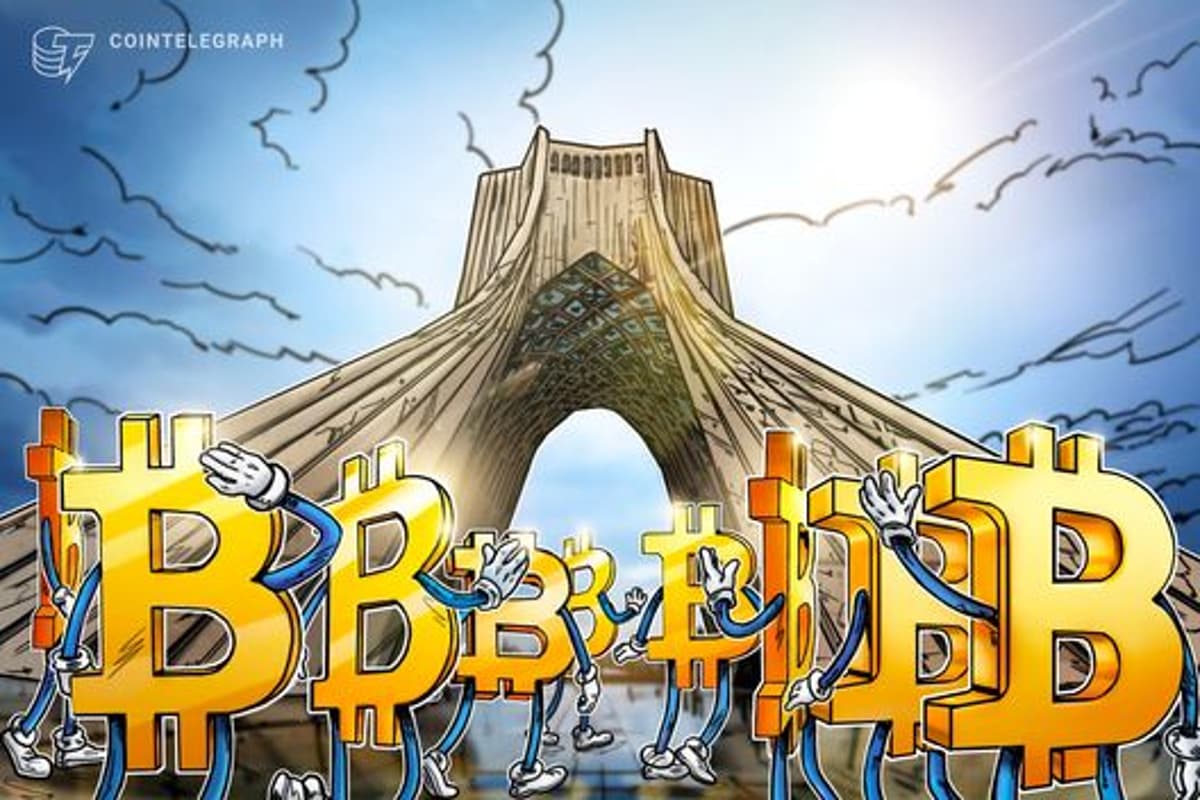
Iran’s Currency Collapse Shows Why Bitcoin Is Seen as an Exit Option
•January 6, 2026
0
Companies Mentioned


Why It Matters
The crisis highlights how fiat instability can reshape demand for decentralized assets, influencing investors, regulators and fintech innovators across emerging markets.
Key Takeaways
- •Rial lost 40% purchasing power since June 2025
- •Bank failures left 42 million customers exposed
- •Bitcoin discussed as fiat‑escape amid sanctions
- •Adoption hindered by volatility and regulatory uncertainty
- •Similar crypto interest seen in Argentina, Lebanon, Turkey
Pulse Analysis
Iran’s 2025 monetary collapse was driven by a perfect storm of hyperinflation, crippling sanctions and a series of bank failures that left more than 42 million account holders exposed. The rial’s slide to roughly 1.4 million per US dollar erased household savings and sparked protests, underscoring how fragile fiat systems can become when external pressures limit access to foreign currency and domestic credit. For investors and policymakers, the Iranian case serves as a cautionary tale about the systemic risks of over‑reliance on a single, state‑controlled currency.
In moments of such fiscal distress, Bitcoin often resurfaces as a reference point for financial autonomy. The Iranian dialogue mirrors patterns observed in Argentina, Lebanon and Turkey, where eroding confidence in national money prompted citizens to explore decentralized assets that bypass traditional banking channels. While Bitcoin’s price volatility makes it a less practical day‑to‑day medium, its global liquidity and independence from government control give it symbolic weight as a hedge against sovereign risk. This recurring narrative signals a broader shift: crises accelerate interest in alternative stores of value, even if actual usage remains limited.
Adoption, however, faces formidable hurdles. Reliable internet, secure wallets and technical literacy are unevenly distributed, especially in economies under sanctions. Regulatory uncertainty compounds risk, as governments may impose sudden restrictions or criminalize self‑custody. Moreover, Bitcoin’s price swings can exacerbate rather than alleviate financial strain, prompting many to favor stablecoins for transactional needs. For fintech firms and crypto platforms, these constraints highlight the need for user‑friendly infrastructure, clear compliance pathways, and education initiatives to bridge the gap between speculative interest and functional adoption. As more economies confront currency instability, the dialogue around digital assets will likely deepen, shaping the next evolution of global money markets.
Iran’s currency collapse shows why Bitcoin is seen as an exit option
0
Comments
Want to join the conversation?
Loading comments...