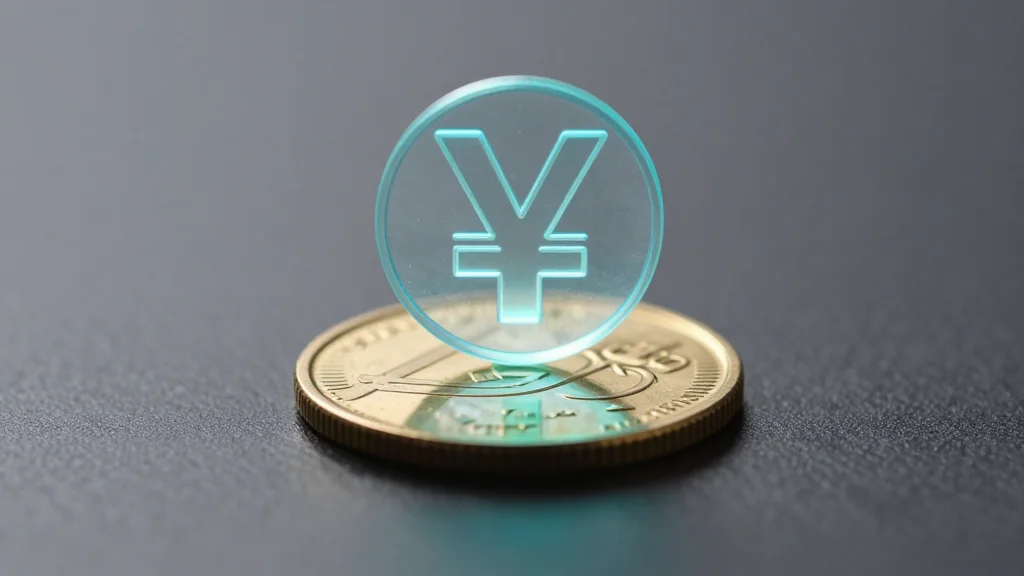
Japan Cuts Crypto Tax to 20% and Grants Stablecoins Legal Status

Companies Mentioned
Why It Matters
Lowering the crypto tax to 20% removes a fiscal disincentive that has driven Japanese investors to offshore markets, potentially redirecting billions of yen of savings into domestic crypto products. Legal recognition of stablecoins as payment instruments also reduces compliance risk for banks and asset managers, making Japan a more attractive venue for tokenized securities and ETF launches. Regionally, Japan’s policy could set a benchmark for other Asian economies that balance tax competitiveness with regulatory rigor. A successful rollout may encourage Hong Kong and Singapore to adjust their own frameworks, intensifying competition for institutional crypto flows across the continent.
Key Takeaways
- •Flat 20% tax on crypto gains replaces a progressive schedule that peaked at 55%
- •Foreign trust‑type stablecoins classified as Electronic Payment Instruments under new FSA rules
- •Reclassification of Bitcoin and Ethereum as financial instruments enables spot ETF structures
- •Nomura, Mitsubishi UFJ Trust and SBI Holdings already piloting tokenized products ahead of the reforms
- •Japan’s reforms aim to capture domestic savings while competing with Hong Kong, Singapore, the US and EU
Pulse Analysis
Japan’s tax cut and stablecoin clarification arrive at a moment when global regulators are wrestling with how to treat digital assets. By aligning crypto taxation with equities, the government removes a pricing distortion that has pushed sophisticated investors toward jurisdictions with lower tax burdens. This move is likely to stimulate demand for compliant investment vehicles, especially ETFs, which have proven to attract institutional capital in markets like the United States.
The stablecoin provision addresses a long‑standing legal gray area. Treating qualifying stablecoins as regulated payment instruments gives banks and custodians a clear compliance pathway, reducing the operational friction that has hampered the development of crypto‑backed financial products. Institutions such as Nomura and Mitsubishi UFJ Trust have already built the infrastructure needed for tokenized securities, suggesting that the supply side is ready to meet any surge in demand.
However, the reforms are not without risk. The reclassification process for Bitcoin and Ethereum could encounter bureaucratic delays, and the flat‑tax proposal must survive parliamentary debate. If the tax rate is softened or the stablecoin definition narrowed, the anticipated influx of capital could stall. Moreover, Japan’s slower, rules‑first approach may be less appealing to firms that prioritize speed over regulatory certainty, potentially ceding market share to Singapore’s zero‑tax model. The coming months will reveal whether Japan can convert policy clarity into tangible market growth and set a template for other jurisdictions seeking a balanced crypto strategy.
Japan Cuts Crypto Tax to 20% and Grants Stablecoins Legal Status
Comments
Want to join the conversation?
Loading comments...