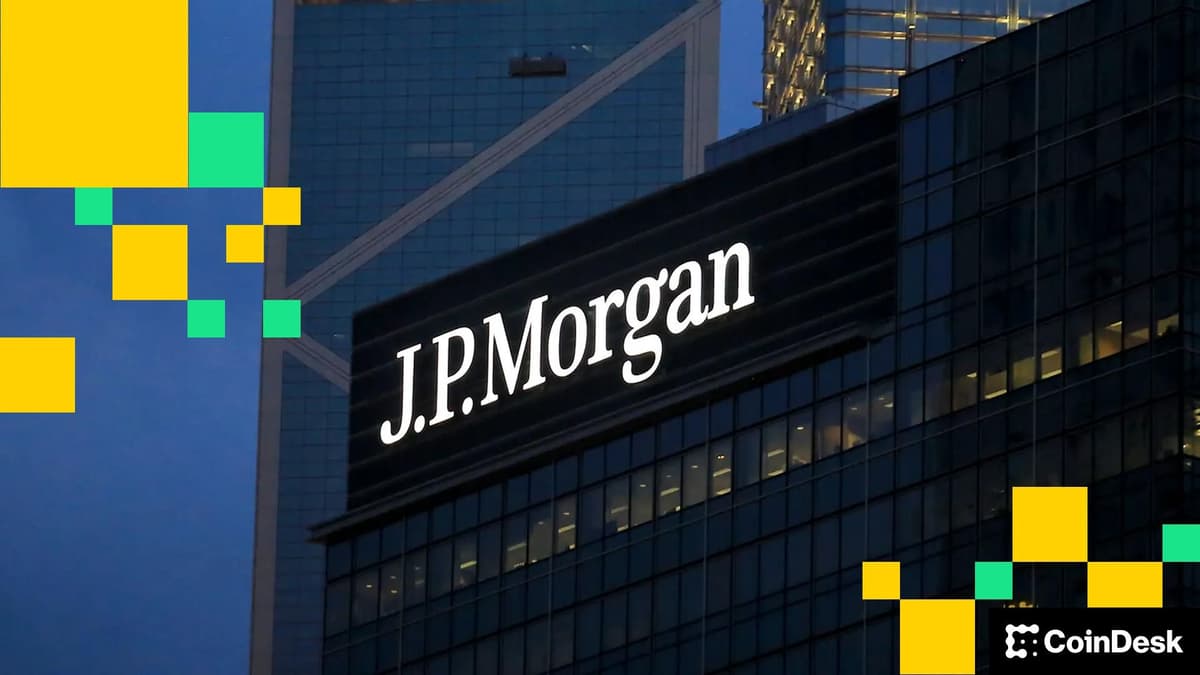
JPMorgan Weighs Crypto Trading for Institutions Amid Growing Demand
•December 22, 2025
0
Companies Mentioned


Why It Matters
Institutional crypto access could legitimize digital assets and reshape trading volumes, while signaling broader banking sector entry into the market.
Key Takeaways
- •JPMorgan evaluating spot and derivatives crypto services
- •Institutional demand drives banks toward regulated digital assets
- •Competing platforms include Coinbase Prime, Bullish, Kraken
- •Pending U.S. crypto legislation boosts market confidence
- •Launch hinges on risk assessment and client interest
Pulse Analysis
Institutional appetite for digital assets has surged as hedge funds and pension managers seek regulated, high‑capacity trading venues. Traditional banks, long constrained by compliance and custody concerns, are now revisiting crypto offerings amid clearer guidance from U.S. regulators. JPMorgan’s exploration reflects a strategic shift: leveraging its extensive client base and infrastructure to capture a nascent market that promises fee revenue and deeper client relationships, while mitigating reputational risk through robust risk controls.
Existing institutional platforms such as Coinbase Prime, Bullish, and Kraken Institutional have built specialized order‑book depth, custody solutions, and compliance frameworks. JPMorgan could differentiate by integrating crypto services with its existing treasury, cash‑management, and prime‑brokerage suites, offering a one‑stop shop for large‑scale investors. This potential entry would intensify competition, likely driving innovation in settlement speed, liquidity provisioning, and pricing transparency, while pressuring incumbents to enhance their technology stacks and regulatory reporting capabilities.
The timing aligns with an anticipated U.S. crypto bill that would codify market rules and clarify supervisory expectations. Such legislative progress reduces uncertainty, encouraging banks to allocate capital toward digital‑asset initiatives. However, JPMorgan will weigh operational risk, market volatility, and the need for sophisticated risk‑adjusted pricing models before committing. A successful launch could accelerate mainstream adoption, expand the overall crypto market’s depth, and set a precedent for other major financial institutions to follow.
JPMorgan weighs crypto trading for institutions amid growing demand
0
Comments
Want to join the conversation?
Loading comments...