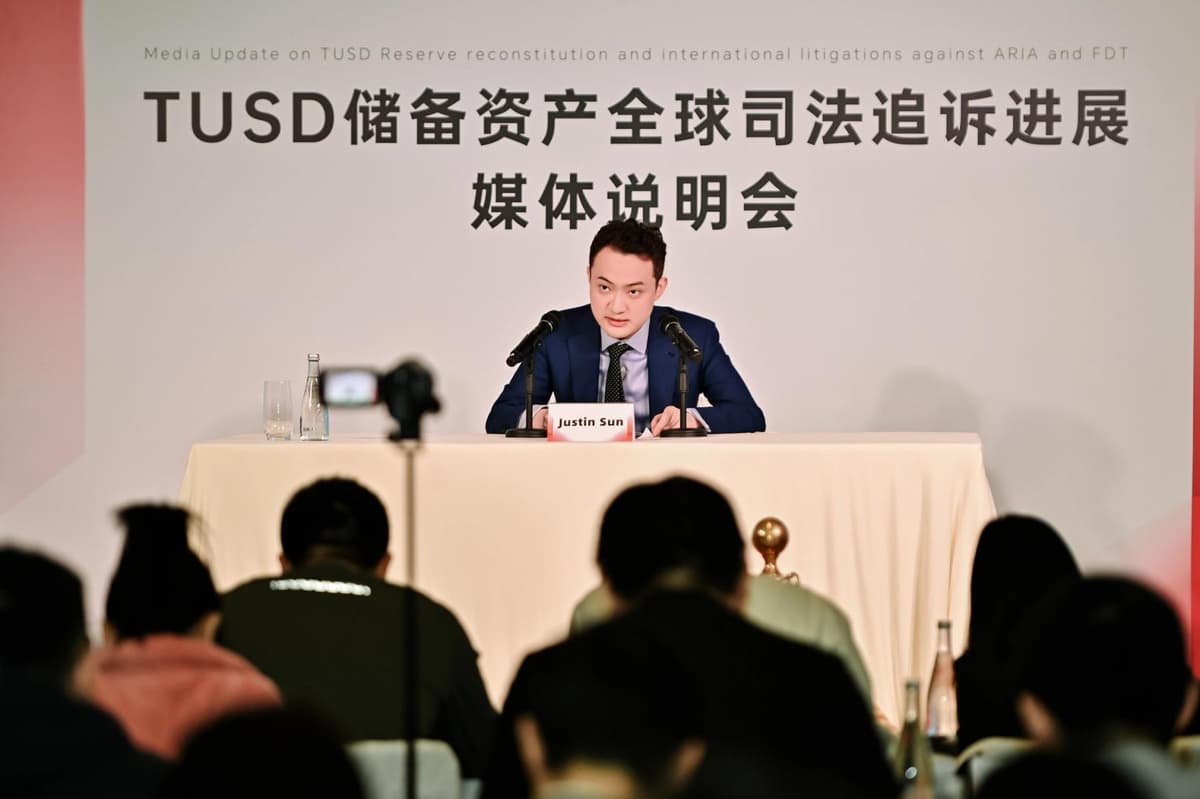
Justin Sun Doubles Down on First Digital Trust Fraud Allegations, Urges H.K. Regulators to Act
•November 27, 2025
0
Companies Mentioned

Why It Matters
The case tests Hong Kong’s ability to regulate trust companies and protect stablecoin investors, potentially shaping the upcoming stablecoin licensing regime. A global asset freeze adds pressure for regulatory reforms and may influence other jurisdictions’ approach to crypto custodial oversight.
Key Takeaways
- •FDT allegedly moved $500M TUSD reserves offshore
- •Hong Kong trust regime lacks transaction‑level safeguards
- •Dubai court froze assets pending Hong Kong resolution
- •Regulators face pressure to tighten stablecoin custodial rules
- •Sun accuses FDT of fabricating transaction documents
Pulse Analysis
Stablecoins rely on transparent, liquid reserves to maintain peg credibility, and TrueUSD (TUSD) has been a flagship example in the market. The recent allegations by Justin Sun expose how a fiduciary trust company, First Digital Trust, could exploit Hong Kong’s relatively lax Trust or Company Service Provider (TCSP) framework to reroute large sums without the transaction‑level monitoring banks must enforce. By moving roughly $500 million into offshore commodity‑finance vehicles, the alleged conduct threatens the fundamental premise that stablecoin reserves are safe, readily redeemable assets.
The legal battle escalated when Dubai’s Digital Economy Court issued a worldwide freeze on the disputed assets, a move that underscores the cross‑border nature of crypto custody disputes. While Techteryx argues the funds were misdirected to Aria‑linked entities, FDT maintains it acted on explicit instructions, and Aria points to AML/KYC concerns as the source of the blockage. This freeze not only immobilizes significant capital but also puts pressure on Hong Kong regulators to demonstrate that their custodial oversight can match global standards, especially as the city drafts a dedicated stablecoin licensing regime.
For the broader industry, the episode serves as a cautionary tale about the risks of relying on non‑bank trust structures for crypto asset custody. Hong Kong’s lawmakers have already signaled intent to tighten the TCSP regime, introducing capital requirements and transaction approvals that mirror banking safeguards. If implemented effectively, these reforms could restore investor confidence, attract stablecoin issuers, and position Hong Kong as a competitive hub for regulated digital assets. Conversely, delayed action may push firms toward jurisdictions with clearer custodial rules, reshaping the global landscape of stablecoin issuance.
Justin Sun Doubles Down on First Digital Trust Fraud Allegations, Urges H.K. Regulators to Act
0
Comments
Want to join the conversation?
Loading comments...