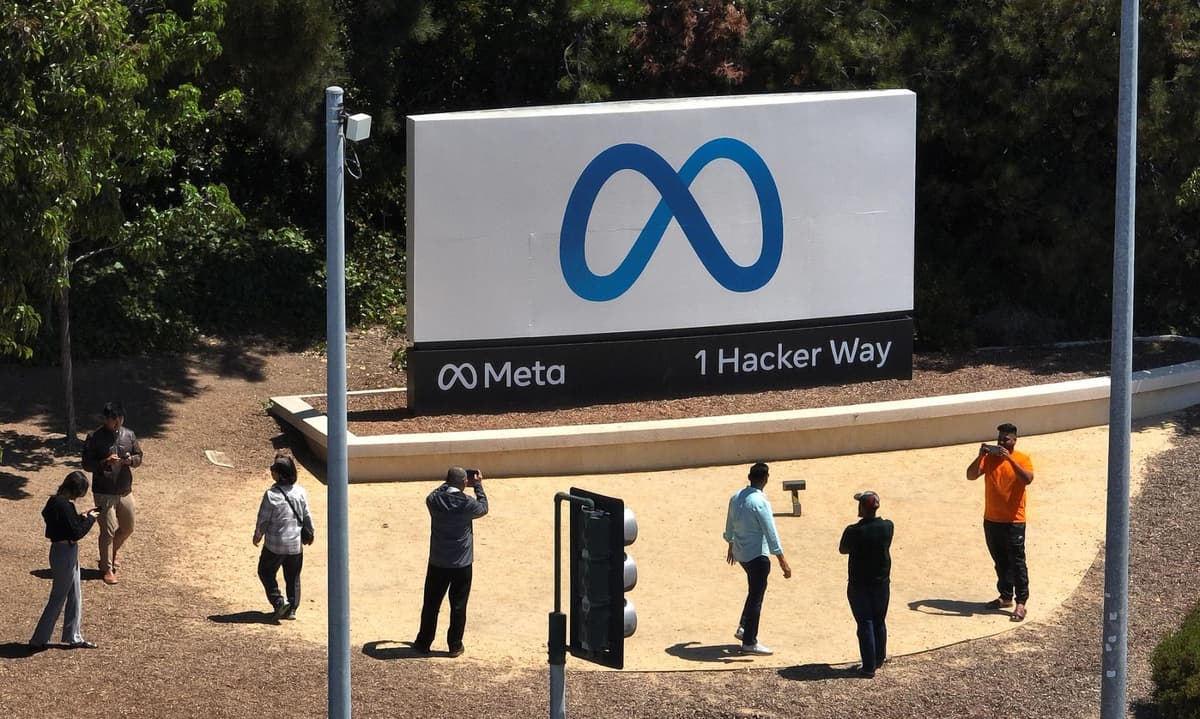
Meta Is Paying Creators in Stablecoins. Spending Them Is Someone Else's Problem
Why It Matters
Meta’s move proves stablecoins can handle large‑scale payouts, but without user‑friendly off‑ramps the benefit is limited, prompting the payments industry to prioritize integration over settlement speed.
Key Takeaways
- •Meta will pay creators in USDC across 160+ countries by year‑end
- •Creators must manage wallets, networks, and off‑ramp conversions themselves
- •Off‑ramp fragmentation adds fees and delays for emerging‑market payouts
- •Card networks embed stablecoins, keeping crypto invisible to end users
- •Scalable adoption hinges on seamless fiat integration, not settlement speed
Pulse Analysis
When Meta announced it would start paying creators in USDC in Colombia and the Philippines, it signaled that a company with roughly $3 billion in annual creator payouts trusts blockchain‑based settlement. By leveraging Solana and Polygon, Meta can move funds across borders in seconds and at near‑zero cost, sidestepping the legacy correspondent‑bank network that typically adds days and fees. The rollout, slated for more than 160 countries by the end of 2026, demonstrates that stablecoins have graduated from niche speculation to a viable infrastructure layer for large‑scale digital commerce.
The headline‑grabbing speed, however, masks a deeper friction point: creators must exit the Meta ecosystem to actually spend their earnings. Receiving USDC requires a self‑custodied wallet, network selection, and a reliable off‑ramp to local fiat. In markets like the Philippines and Colombia, where mobile‑wallets dominate, the lack of integrated conversion channels forces users through multiple exchanges, compliance checks, and bank withdrawals, each incurring fees and latency. For a content creator whose expertise is not crypto, this complexity erodes the net value of the payout.
Card networks are already answering that gap by embedding stablecoin settlement behind familiar Visa or Mastercard cards, allowing users to transact in fiat while the blockchain works invisibly in the background. Mastercard’s $1.8 billion acquisition of BVNK and Visa’s Bridge partnership illustrate a strategic shift toward seamless fiat integration rather than exposing users to the crypto layer. As stablecoin transaction volume surged to $33 trillion in 2025, the next growth frontier will be the off‑ramp: robust, low‑cost liquidity providers and banking APIs that make digital‑dollar balances feel like ordinary cash. Platforms that can marry Meta’s on‑chain efficiency with card‑network‑style user experience will likely dominate the creator‑payment landscape.
Meta is paying creators in Stablecoins. Spending them is someone else's problem
Comments
Want to join the conversation?
Loading comments...