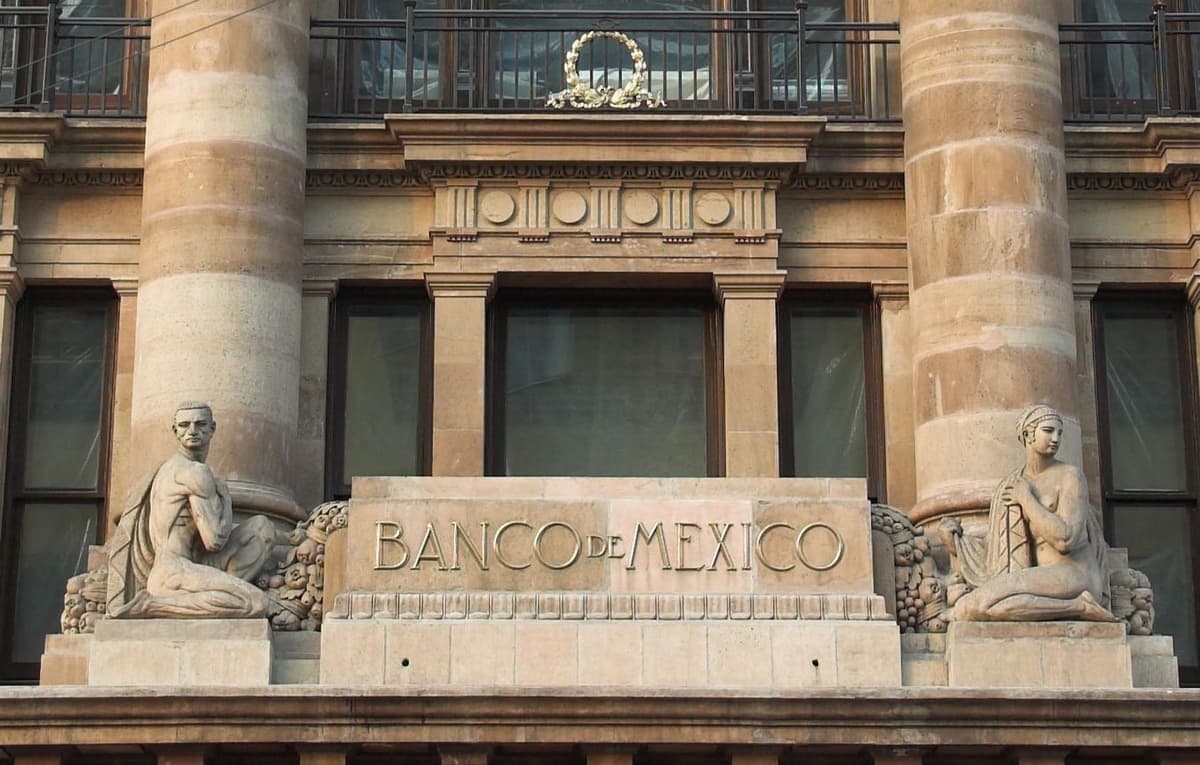
Mexico’s Central Bank Keeps a ‘Healthy Distance’ From Crypto
•December 11, 2025
0
Companies Mentioned

Why It Matters
Banxico's restrictive posture limits crypto integration in a key emerging market, shaping regional investment flows and setting a regulatory benchmark for Latin America.
Key Takeaways
- •Banxico maintains strict separation from digital assets.
- •Mexico bars banks and fintechs from crypto services.
- •Stablecoin growth flagged as potential systemic risk.
- •Crypto transaction volume $71 billion, third in Latin America.
- •Regulatory clarity needed before wider financial integration.
Pulse Analysis
While the United States, Europe and several Asian hubs race to embed digital assets into their banking frameworks, Mexico is deliberately stepping back. Banxico’s year‑end report underscores a risk‑averse philosophy, citing the lack of legal‑tender status, price volatility, operational vulnerabilities and heightened money‑laundering concerns. By emphasizing the need for a homogeneous international regulatory regime, the central bank signals that any future crypto participation will be contingent on clear, cross‑border rules, especially for stablecoins that could create liquidity mismatches.
The cautious stance has immediate implications for Mexico’s domestic financial ecosystem. Banks and fintech firms remain prohibited from offering crypto products, limiting consumer exposure but also curbing innovation incentives. Nevertheless, a $71 billion transaction volume—third highest in Latin America—demonstrates persistent demand among users and businesses. Stablecoins, in particular, attract attention as potential bridges to the formal sector, yet Banxico warns they could become systemic risk vectors if issued without oversight. This regulatory gap may push crypto activity toward informal channels, raising compliance and AML challenges for authorities.
Regionally, Mexico’s policy diverges from peers such as El Salvador, which embraced Bitcoin as legal tender, and Bolivia, which is drafting its own oversight rules. The contrast highlights a broader split in emerging economies between experimentation and restraint. As global regulators converge on standards, Mexico may reassess its position, especially if international frameworks address stablecoin governance and consumer protection. Until then, the country’s “healthy distance” will likely keep its financial system insulated from crypto volatility while preserving macro‑economic stability.
Mexico’s Central Bank Keeps a ‘Healthy Distance’ From Crypto
0
Comments
Want to join the conversation?
Loading comments...