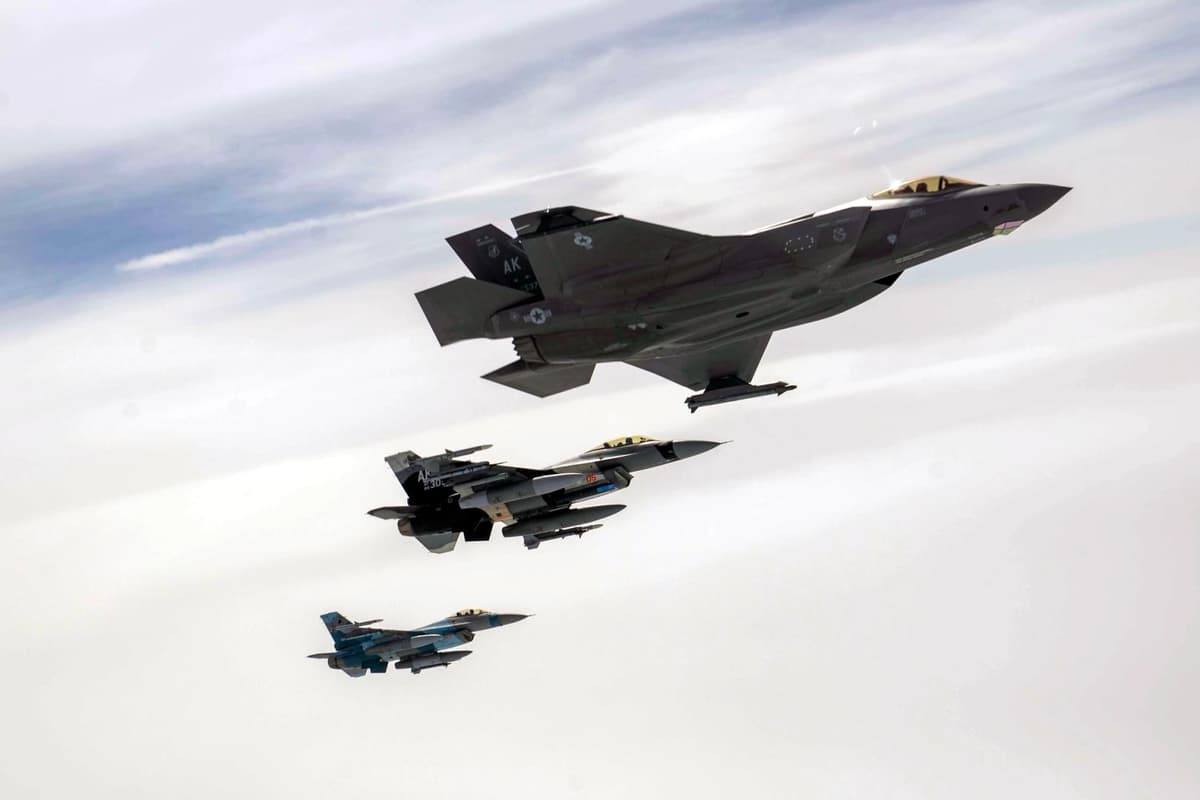
New Polymarket Bettor Places $40,000 on U.S. Striking Iran Tonight
•January 15, 2026
0
Companies Mentioned

Why It Matters
The wager illustrates how crypto‑based prediction markets can shape perceptions of geopolitical risk and attract regulatory attention. It also provides a real‑time barometer for investors monitoring U.S.–Iran tensions.
Key Takeaways
- •$40k bet placed on Jan 14 US‑Iran strike.
- •Market odds currently sit at 9 % for immediate strike.
- •Bet value down $20k, profit only if strike confirmed.
- •Overall market sees 65 % chance by month‑end.
- •Polymarket faces scrutiny after high‑payout political bets.
Pulse Analysis
Prediction markets have moved from niche crypto experiments to mainstream tools for gauging collective expectations about political and military events. Platforms such as Polymarket allow anyone with a digital wallet to stake cryptocurrency on binary outcomes, from election results to foreign‑policy actions. The transparency of blockchain records makes each wager publicly traceable, attracting analysts, hedge funds, and journalists who treat the odds as a real‑time sentiment barometer. Recent high‑profile contracts—most notably a $400,000 payout on a Venezuelan operation—have thrust the sector into the spotlight, prompting both curiosity and regulatory scrutiny.
The latest headline centers on a single trader, identified as “mutualdelta,” who deposited $40,000 to back a U.S. strike on Iran for January 14. With the market assigning only a 9 % probability to an immediate attack, the position is already down more than $20,000, illustrating the steep risk premium demanded by the crowd. Yet the broader Polymarket consensus places a 65 % chance of a strike by month‑end and 74 % by June, suggesting that participants expect an intervention later in the first half of the year. Such divergent views can influence risk models used by investors monitoring geopolitical exposure.
The bet arrives amid a volatile diplomatic backdrop: the Pentagon is reportedly finalizing options, while Iran has closed its airspace to commercial flights. If a strike materializes, the $40,000 wager could yield a sizable return, reinforcing the narrative that prediction markets can reward early, contrarian insights. Conversely, a false alarm would underscore the challenges of pricing rare, high‑impact events. Regulators are watching closely, as the line between speculative betting and market manipulation blurs when large payouts coincide with real‑world policy decisions. Future market activity will likely reflect both the evolving security calculus and the growing legitimacy of crypto‑based forecasting platforms.
New Polymarket bettor places $40,000 on U.S. striking Iran tonight
0
Comments
Want to join the conversation?
Loading comments...