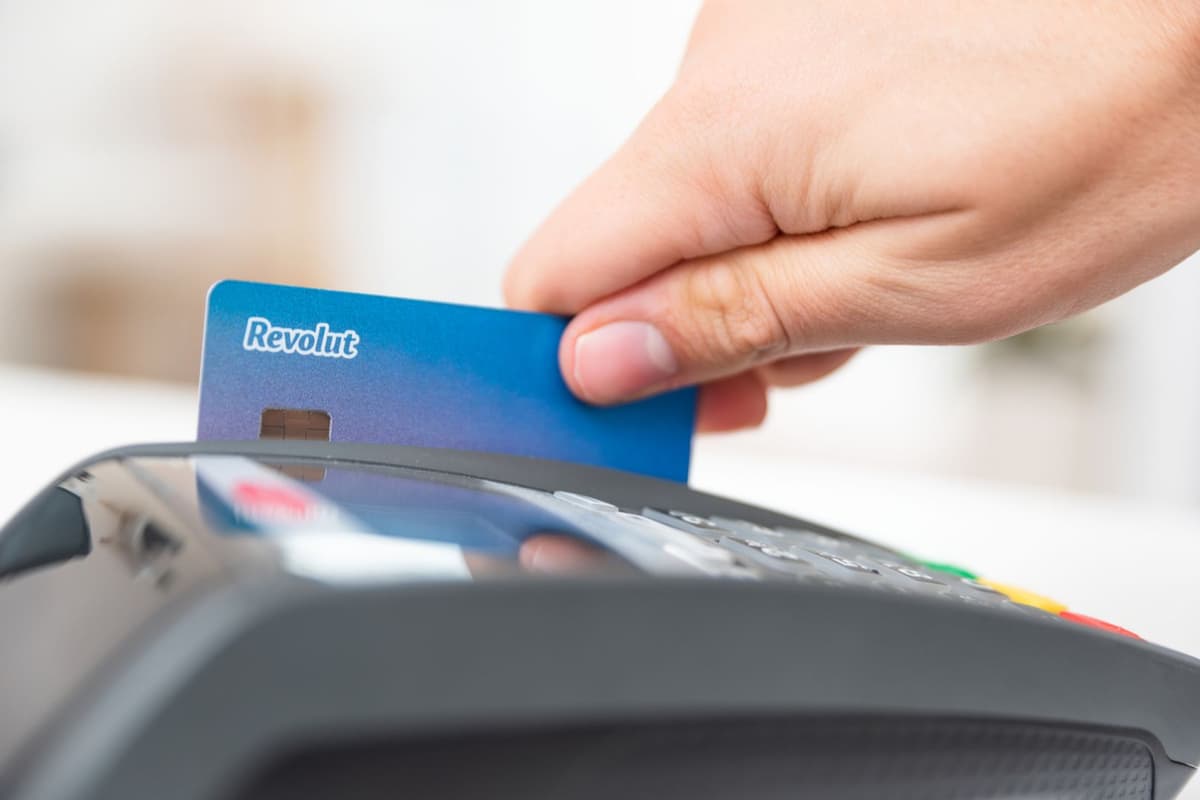
Revolut Wants to Take Dogecoin Mainstream with Its New Physical Payment Card
Why It Matters
The card brings meme‑coin spending into everyday commerce, accelerating crypto adoption and giving Revolut a competitive edge in the fintech‑banking hybrid space.
Key Takeaways
- •Dogecoin debit card rolls out in UK and most EU markets
- •No additional exchange fees; transactions use real‑time rates
- •Card integrates with Visa and Mastercard networks for universal acceptance
- •Part of Revolut’s strategy to blend crypto services with full banking licence
Pulse Analysis
The fintech landscape is witnessing a rapid convergence of digital assets and traditional payment infrastructure. Crypto‑linked debit cards from platforms such as Coinbase, Crypto.com, and now Revolut are designed to let users spend tokens at any merchant that accepts Visa or Mastercard, effectively turning a speculative asset into a spendable currency. By eliminating extra exchange fees, these cards lower the cost barrier that has traditionally kept crypto confined to wallets and exchanges. As regulators become more comfortable with crypto‑banking hybrids, the market is poised for a surge in everyday crypto transactions.
Revolut’s Dogecoin‑themed card is a strategic extension of its broader crypto roadmap. After integrating Polygon for staking and cross‑chain transfers in 2025, the company secured a full UK banking licence and is pursuing a de novo licence in the United States. The new card leverages Revolut’s existing Visa/Mastercard partnerships, allowing instant conversion of Dogecoin at the point of sale without markup. This move differentiates Revolut from pure‑play crypto exchanges, positioning it as a hybrid financial platform that can attract both retail investors and traditional banking customers.
For consumers, the card translates meme‑coin volatility into a practical payment tool, though it also introduces tax reporting considerations tied to each transaction. Merchants benefit from increased crypto spend without needing to handle the underlying assets, as Revolut settles in fiat. Industry analysts see the launch as a litmus test for broader acceptance of low‑value cryptocurrencies in daily commerce. If adoption proves strong, other fintechs may follow suit, prompting card networks and regulators to refine standards for crypto‑backed payments and potentially reshaping the future of retail finance.
Revolut wants to take Dogecoin mainstream with its new physical payment card
Comments
Want to join the conversation?
Loading comments...