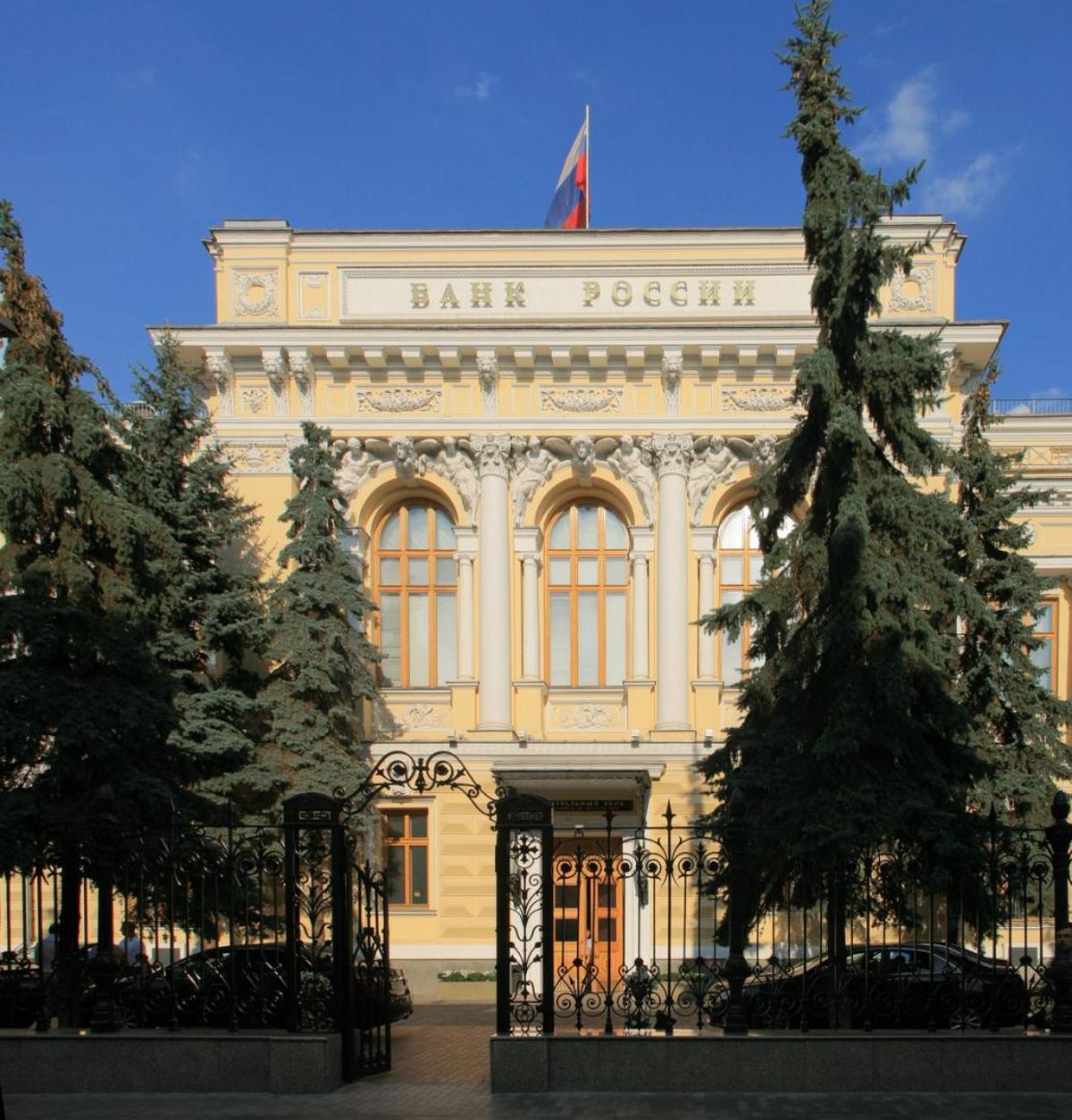
Russia’s Central Bank Unveils New Crypto Rules to Be Adopted in 2026
•December 23, 2025
0
Why It Matters
The rules create a regulated pathway for crypto participation in Russia, unlocking market liquidity while imposing safeguards that could shape the country’s financial ecosystem and attract institutional activity.
Key Takeaways
- •Retail crypto purchases capped at 300,000 rubles annually
- •Risk‑awareness test required for non‑qualified investors
- •Privacy‑coins remain prohibited under new framework
- •Licensed Russian firms can offer crypto services legally
- •Cross‑border crypto purchases allowed with tax reporting
Pulse Analysis
Russia’s move to formalise cryptocurrency activity reflects a broader global trend of integrating digital assets into existing financial oversight. After years of ambiguous enforcement and occasional crackdowns, the Bank of Russia is now outlining a structured environment that balances market access with state‑level risk controls. By defining crypto as a monetary asset that can be bought and sold—but not used for domestic payments—the regulator signals openness to innovation while preserving the primacy of the ruble in everyday transactions.
The draft framework distinguishes between retail participants and qualified investors, imposing a 300,000‑ruble annual ceiling for the former and mandating a risk‑awareness questionnaire. Qualified entities, such as banks and asset managers, may operate without volume limits provided they clear a knowledge assessment, effectively extending existing banking licences to crypto services. Notably, privacy‑oriented tokens are excluded, aligning with Russia’s emphasis on traceability. The proposal also paves the way for regulated custodians and wallet providers, creating a full‑stack ecosystem that could lower entry barriers for domestic users.
If adopted, the rules could stimulate a surge of domestic trading volume and attract foreign capital seeking a regulated gateway to the Russian market. Mandatory tax reporting on cross‑border purchases adds a compliance layer that may reassure international partners, while also expanding the state’s fiscal base. However, the caps and prohibitions on privacy coins suggest regulators remain wary of capital flight and illicit use. Overall, the policy positions Russia to capture a share of the burgeoning crypto economy without relinquishing oversight, a balance that many jurisdictions are still striving to achieve.
Russia’s central bank unveils new crypto rules to be adopted in 2026
0
Comments
Want to join the conversation?
Loading comments...