Saudi Arabia Is Tokenizing Its Multi-Trillion Dollar Economy to Protect Its Wealth From Global Shocks
Companies Mentioned

Why It Matters
Tokenising the Kingdom’s multi‑trillion‑dollar economy could set a global benchmark for resilient, on‑chain financial infrastructure, attracting capital and prompting other G20 nations to adopt similar models.
Key Takeaways
- •Saudi allocates $12.5 bn to tokenise real‑world assets via droppRWA
- •Stablecoin‑based real‑estate settlement slated for late 2026
- •By 2030, Saudi aims for sovereign‑grade tokenized financial system
- •Tokenisation expected to boost Gulf wealth resilience amid global shocks
- •World’s first blockchain property‑deed transfer completed in February 2026
Pulse Analysis
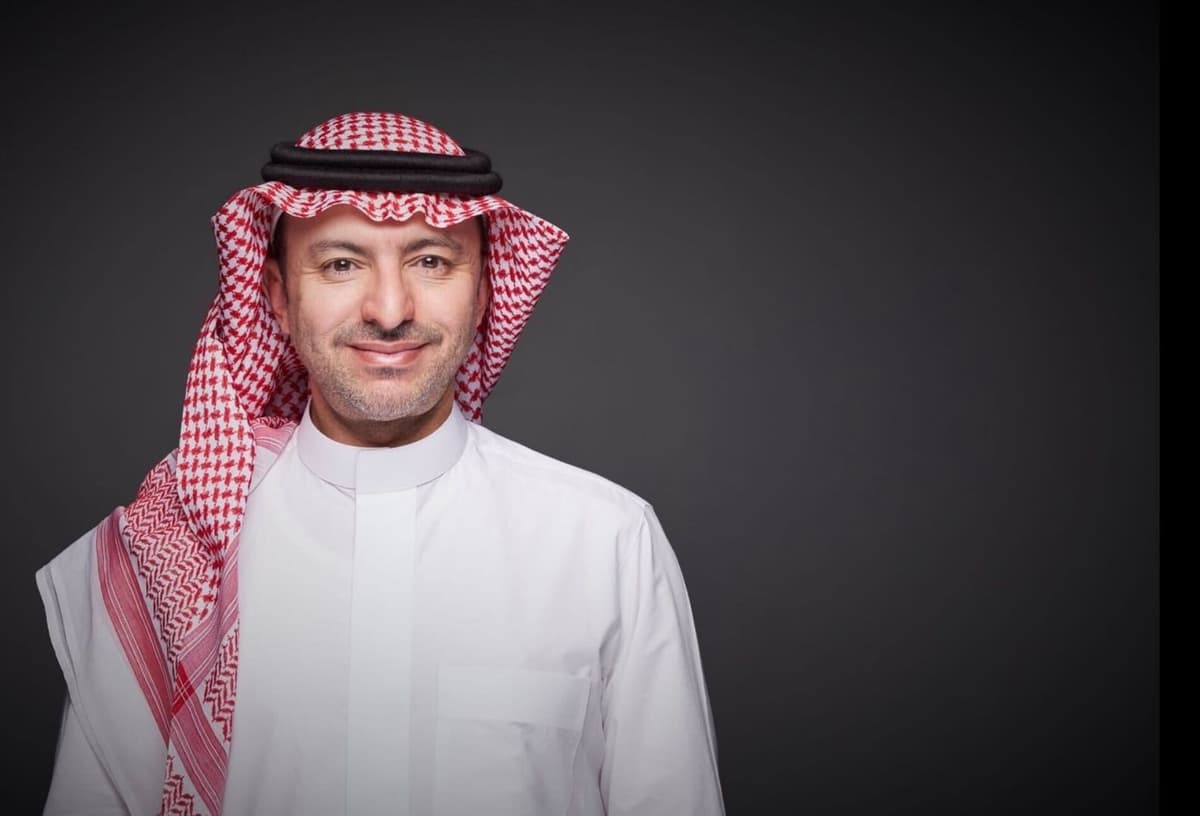
Saudi Arabia’s digital‑payments journey began with the 2004 launch of SADAD, a unified network that shifted roughly 70% of bill payments from cash to electronic channels. By 2025 the system handled over 14.5 billion transactions worth about $250 billion, laying a robust infrastructure that now underpins the kingdom’s ambitious tokenisation agenda. Faisal Monai, the architect of that plumbing, is leveraging the existing digital backbone to launch droppRWA, a $12.5 billion platform aimed at bringing real‑world assets onto blockchain, starting with property deeds. The initiative aligns with a rapidly expanding global stablecoin market, which topped $300 billion in market cap and $30 trillion in transaction volume in 2025.
The tokenisation roadmap targets a sovereign‑grade, on‑chain financial system by 2030, with stablecoin‑settled real‑estate transactions expected to go live by late 2026. DroppRWA’s first blockchain property‑deed transfer in February 2026 cut settlement time from days to seconds, demonstrating the efficiency gains possible at scale. Beyond real estate, the plan envisions tokenising energy, manufacturing and other sectors, creating programmable, liquid representations of assets that can be transferred instantly while remaining legally anchored. This approach promises to reduce friction, lower settlement risk, and attract global investors seeking transparent, regulated digital exposure to Saudi assets.
For the Gulf region, tokenisation offers a strategic hedge against geopolitical and economic volatility. By embedding ownership, transfer and collateral certainty in code, Saudi Arabia aims to preserve wealth during shocks—such as the recent Iran conflict—while maintaining the U.S. dollar’s role as the primary reserve currency. The kingdom’s multi‑rail strategy, combining traditional fiat with sovereign‑grade stablecoins, could become a template for other G20 economies seeking resilient, always‑on financial infrastructure. As regulators worldwide watch Saudi’s rollout, the success or failure of this large‑scale experiment will likely shape the next decade of global finance.
Saudi Arabia is tokenizing its multi-trillion dollar economy to protect its wealth from global shocks
Comments
Want to join the conversation?
Loading comments...