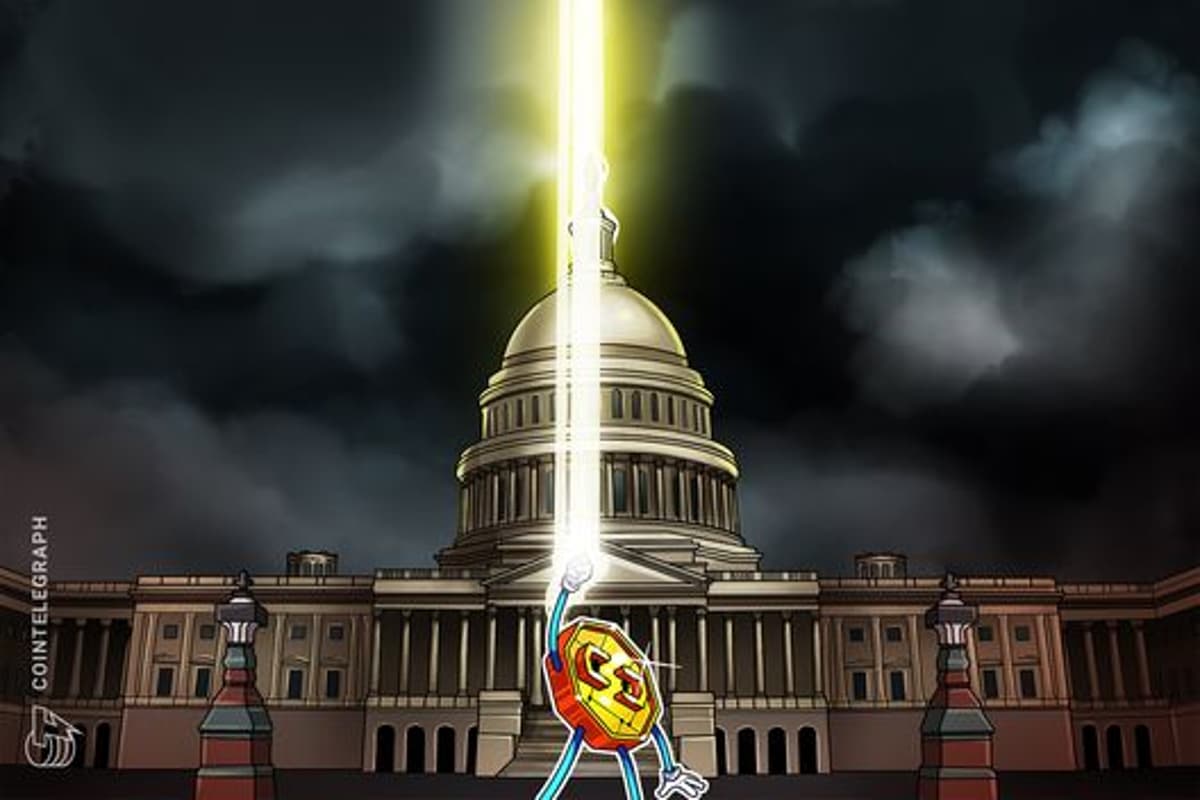
Senators Pitch Bill to Lock in Protections for Crypto Developers
•January 13, 2026
0
Companies Mentioned


Why It Matters
By providing clear regulatory carve‑outs, the BRCA could restore confidence for U.S. developers, keeping innovation domestic and reducing the incentive to relocate offshore. This certainty is critical for the growth of decentralized finance and broader digital‑finance ecosystems.
Key Takeaways
- •BRCA exempts non‑custodial developers from money‑transmitter rules
- •Aims to prevent criminal liability for open‑source blockchain code
- •Industry groups endorse the bill for clearer innovation framework
- •Mirrors protections in pending crypto market‑structure legislation
- •Could keep blockchain development within United States
Pulse Analysis
Regulatory ambiguity has long hampered U.S. blockchain innovation, with money‑transmitter statutes often applied to software that never touches user funds. The Tornado Cash convictions highlighted the risk: developers can be treated as unlicensed banks simply for providing tools that facilitate transactions. This legal gray area has pushed talent and capital offshore, where clearer frameworks exist. By carving out a specific exemption, the Blockchain Regulatory Certainty Act directly addresses these pain points, offering developers a safe harbor while preserving anti‑money‑laundering safeguards.
The BRCA’s core provision declares that writing code, maintaining nodes, or offering non‑custodial services does not constitute money‑transmission activity. This language aligns with similar protections embedded in the broader crypto market‑structure bill currently moving through Senate committees. Early endorsements from the DeFi Education Fund, the Blockchain Association, and investment firm Paradigm signal strong industry consensus that regulatory clarity is a prerequisite for scaling decentralized applications. By synchronizing the BRCA with the market‑structure effort, lawmakers aim to present a unified policy front that balances innovation with compliance.
If enacted, the legislation could reverse the recent trend of U.S. developers relocating to friendlier jurisdictions, bolstering the domestic talent pool and attracting venture capital. Clear rules would also enable startups to focus on product development rather than legal risk mitigation, accelerating the rollout of next‑generation financial services. However, critics warn that overly broad exemptions might create loopholes for illicit activity. Policymakers will need to fine‑tune the bill’s language during markup to ensure that consumer protections remain robust while still fostering a competitive crypto ecosystem.
Senators pitch bill to lock in protections for crypto developers
0
Comments
Want to join the conversation?
Loading comments...