Why It Matters
The results signal a geographic shift in crypto capital toward jurisdictions that combine clear rules with robust infrastructure, reshaping where innovators and investors locate their operations. Cities that fail to offer both may lose competitive edge in the rapidly expanding digital‑asset economy.
Key Takeaways
- •Singapore tops index with clear regulations and low taxes
- •Six Asia‑Pacific cities rank in global top 10
- •Dubai ranks high thanks to zero personal income tax
- •Regulatory certainty outweighs tax rates for crypto hub success
- •Infrastructure, not policy, drives durable competitive advantage
Pulse Analysis
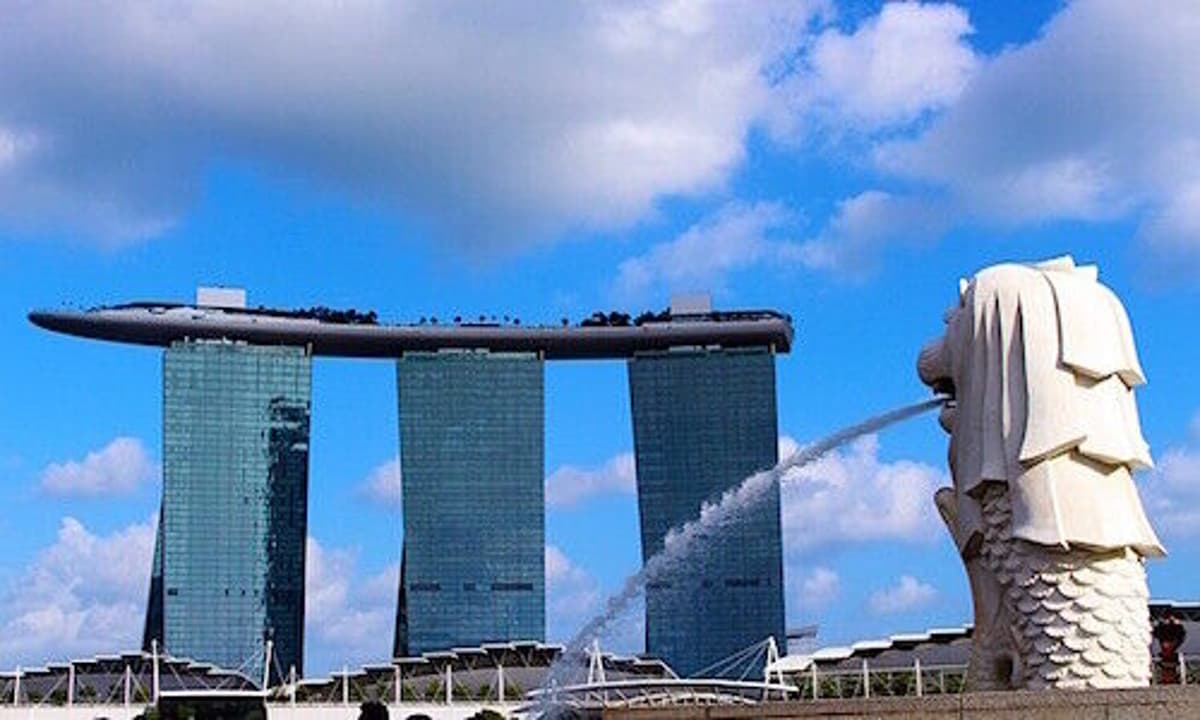
Singapore’s ascent to the summit of the Crypto Friendly Cities Index reflects a maturing digital‑asset ecosystem where regulatory predictability trumps pure tax arbitrage. The city‑state’s blend of a transparent licensing framework, a regulated stablecoin environment, and aggressive adoption of crypto payments gives firms a low‑friction path to launch and scale. Investors see Singapore as a gateway to Southeast Asian markets, while multinational banks leverage its institutional infrastructure to offer crypto‑linked services without the compliance uncertainty that plagues many jurisdictions.
The broader eastward tilt highlighted by the index is reshaping the global crypto landscape. Hong Kong’s spot virtual‑asset ETFs, Bangkok’s sandbox incentives, Seoul’s tech‑savvy talent pool, and Kuala Lumpur’s competitive tax regime collectively create a corridor of innovation that rivals legacy financial centers. This regional cluster benefits from shared legal standards, cross‑border capital flows, and a growing consumer appetite for digital payments. For venture capitalists and founders, proximity to this hub reduces operational friction, accelerates product‑market fit, and opens access to a diversified investor base hungry for blockchain solutions.
Looking ahead, the report’s emphasis on "low tax, high credibility" suggests that future city‑ranking battles will focus on delivering tangible infrastructure—licensed exchanges, stablecoin frameworks, and government‑backed payment integrations—rather than headline‑grabbing policy promises. Companies seeking to maximize returns should evaluate jurisdictions on the durability of their crypto ecosystems, weighing factors such as licensing speed, institutional participation, and tax certainty. As crypto becomes increasingly jurisdictional, strategic location decisions will be as critical as technology choices in driving long‑term growth.
Singapore Tops Global Crypto-Friendly Cities Ranking
Comments
Want to join the conversation?
Loading comments...