Solana Mobile Sets Jan. 21 Launch Date for SKR Token, Confirms Airdrop
•January 7, 2026
0
Why It Matters
The token introduces a native economic layer that could accelerate developer adoption and strengthen Solana Mobile’s competitive position in the mobile blockchain space.
Key Takeaways
- •SKR token launches Jan 21, 2026.
- •Supply fixed at 10 billion tokens.
- •20% allocated for airdrop to users.
- •Staking enables Guardians for security and governance.
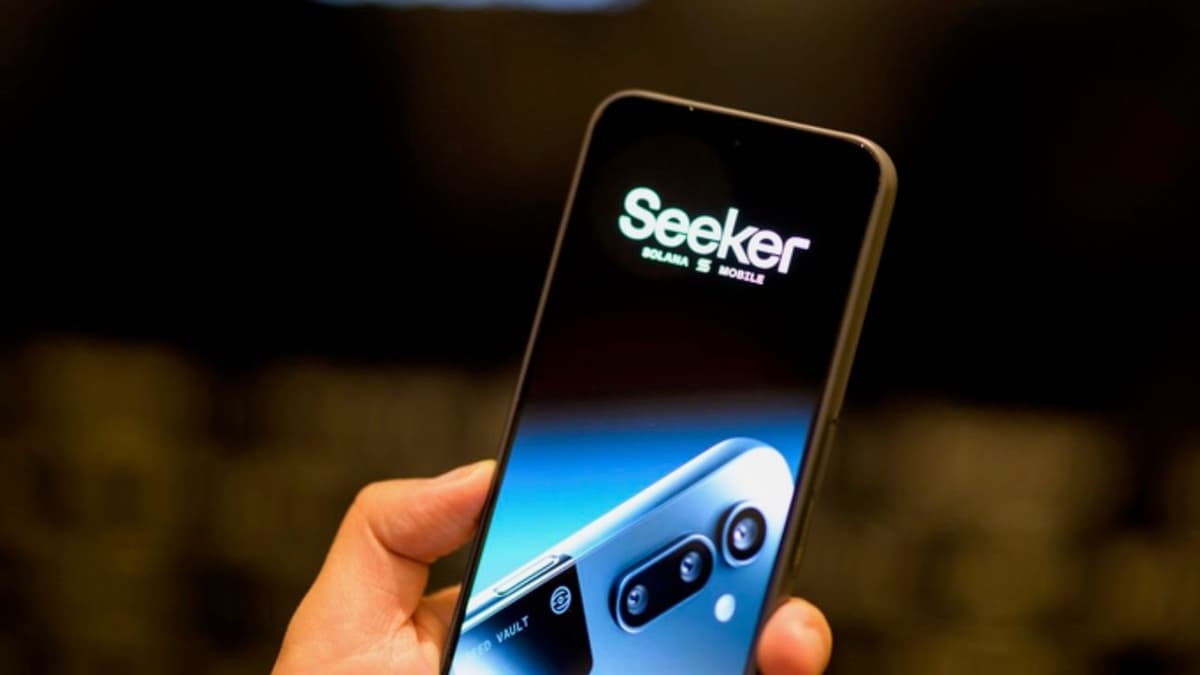
- •Seeker phone ecosystem gains native incentive layer.
Pulse Analysis
Solana Mobile has been building a mobile‑first blockchain experience centered on its Seeker smartphone, which combines a secure hardware enclave with a decentralized app store. By introducing a native token, the company aims to bridge the gap between traditional mobile ecosystems and Web3 services. The announced Jan. 21, 2026 launch of the SKR token marks the culmination of months of development and signals that Solana Mobile is ready to transition from a proof‑of‑concept to a fully tokenized platform. This move aligns the project with broader trends of bringing crypto functionality to everyday devices.
The SKR token will have a hard‑capped supply of 10 billion, with 20 % earmarked for an airdrop to early adopters, developers, and Seeker users who meet eligibility criteria. Holders can stake SKR to become Guardians, a delegated group responsible for securing the network and participating in on‑chain governance. This staking model not only incentivizes long‑term holding but also creates a decentralized security layer that mirrors Solana’s proof‑of‑stake architecture. By tying token utility directly to the Seeker ecosystem, SKR provides both monetary rewards and voting power to participants.
From a market perspective, the SKR launch could boost developer activity on Solana Mobile’s app store, as token incentives lower the cost of entry for new projects. The airdrop is likely to generate immediate demand, driving short‑term price volatility while establishing a broad base of token holders. In the competitive landscape of mobile blockchain platforms, a native governance token differentiates Solana Mobile from rivals that rely on external tokens. If adoption scales, SKR may become a key driver of network effects, enhancing Solana’s overall ecosystem resilience.
Solana Mobile sets Jan. 21 launch date for SKR token, confirms airdrop
0
Comments
Want to join the conversation?
Loading comments...