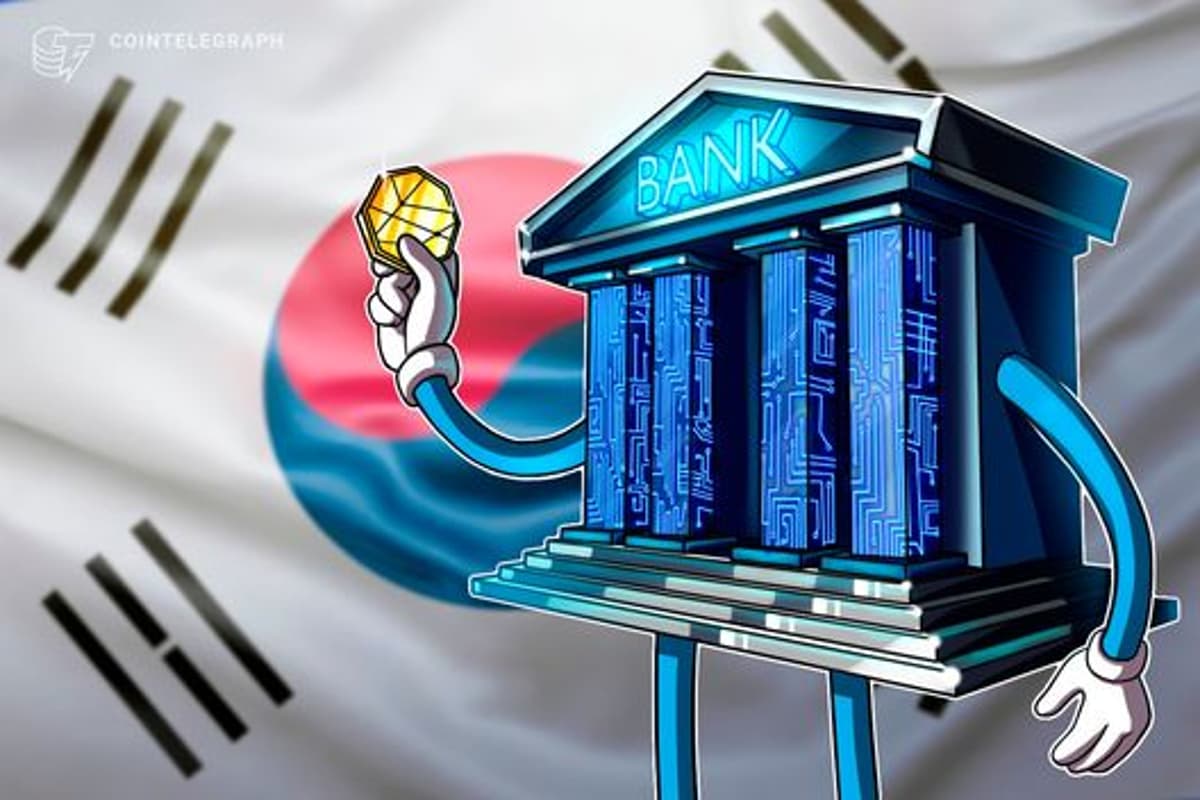
South Korea Weighs Ending One Bank Rule for Crypto Exchanges: Report
•January 20, 2026
0
Why It Matters
Altering the bank‑exchange pairing could lower entry barriers, diversify liquidity, and reshape South Korea’s crypto ecosystem. The change also signals a broader regulatory shift toward balanced oversight and competition.
Key Takeaways
- •Review targets exclusive bank‑exchange partnerships
- •Model may reinforce exchange concentration
- •Smaller exchanges lack banking access
- •Policy shift could boost competition
- •Digital Asset Basic Act delayed to 2026
Pulse Analysis
South Korea’s "one exchange‑one bank" framework originated from strict anti‑money‑laundering and customer‑due‑diligence rules, effectively binding each crypto platform to a single domestic bank for fiat on‑ and off‑ramps. While the arrangement simplifies compliance monitoring, it has unintentionally created a bottleneck that concentrates trading volume among a handful of large exchanges. The limited banking pool restricts liquidity pathways for newer entrants, reinforcing the dominance of incumbents and reducing overall market resilience.
A potential relaxation of this rule could unlock competitive dynamics by allowing multiple banking relationships per exchange. Smaller platforms would gain access to broader financing options, fostering innovation in fee structures, product offerings, and cross‑border services. Moreover, diversified banking ties can improve transaction efficiency, lower costs for end‑users, and attract foreign fintech firms seeking a foothold in the Korean market. Regulators must balance these benefits against heightened AML oversight, ensuring that risk‑based supervision scales with exchange size and activity.
The timing aligns with the stalled Digital Asset Basic Act, which aims to formalize stablecoin issuance and custodial requirements. Delayed until 2026, the legislation reflects ongoing debates over whether a dedicated supervisory body should pre‑approve stablecoin issuers and how non‑financial‑technology firms can participate. Together, the bank‑exchange review and the pending act illustrate South Korea’s broader effort to modernize crypto regulation while preserving market integrity, a move that could set a regional benchmark for balanced digital‑asset policy.
South Korea weighs ending one bank rule for crypto exchanges: Report
0
Comments
Want to join the conversation?
Loading comments...