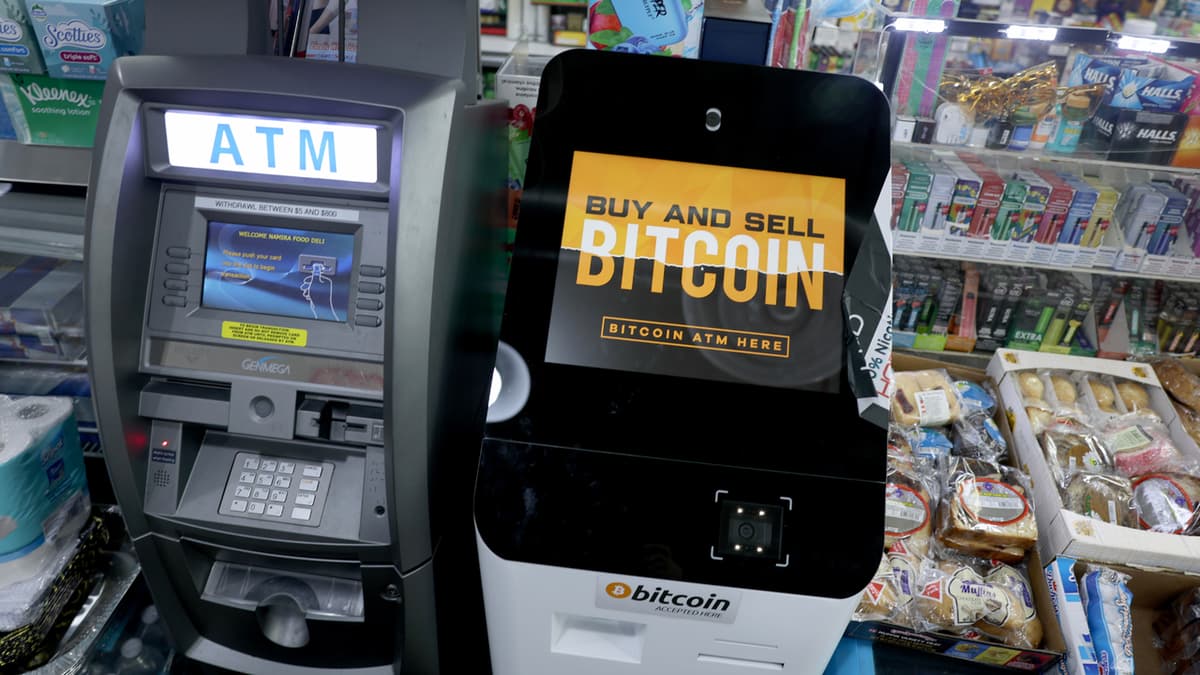
Tennessee Bans Crypto ATMs that Have Become 'Payment Portal of Choice for Scammers' — Second State to Restrict Machines After Indiana
Companies Mentioned
Why It Matters
The legislation reflects mounting regulatory pressure on crypto‑ATM operators and highlights the urgent need for consumer protection as fraud losses climb. It may push users toward regulated exchanges, reshaping how cash is converted into digital assets.
Key Takeaways
- •Tennessee bans crypto ATMs statewide effective July 1 2026
- •FBI reports $333 million lost to crypto‑ATM scams nationwide
- •Athena Bitcoin faces DOJ lawsuit alleging 93% fraudulent transactions
- •Texas sheriff seized $25,000 from a Bitcoin Depot ATM
- •Ban follows Indiana; Minnesota considering similar legislation
Pulse Analysis
Crypto‑ATM networks exploded in the early 2020s, offering a quick bridge between cash and digital assets. Their appeal lay in anonymity and convenience, attracting both casual investors and high‑frequency traders. However, the same features that simplify transactions also create a fertile ground for fraudsters, prompting federal agencies to flag the sector as a high‑risk conduit for illicit activity. As states grapple with the balance between innovation and consumer safety, Tennessee’s recent ban marks a decisive shift toward stricter oversight.
Scammers exploit crypto ATMs by coaxing victims into depositing cash that is instantly converted into untraceable cryptocurrency. Victims often assume the machines operate like traditional banks, unaware that once the cash is loaded, recovery is nearly impossible. High‑profile incidents—such as a Texas sheriff’s forced opening of a Bitcoin Depot unit to seize $25,000 and the Justice Department’s suit against Athena Bitcoin, which claims 93% of its transactions are linked to fraud—illustrate the systemic vulnerabilities. These cases have spurred a wave of state‑level actions, with Indiana already enforcing a ban and Minnesota drafting similar legislation.
The broader market impact could be significant. By removing a popular on‑ramp, regulators may accelerate migration to licensed cryptocurrency exchanges that are subject to Know‑Your‑Customer (KYC) and anti‑money‑laundering (AML) requirements. While some users will lament reduced accessibility, the move may ultimately curb fraud losses and restore confidence in digital‑asset ecosystems. Industry observers expect further legislative efforts nationwide, potentially culminating in a coordinated federal framework that balances innovation with robust consumer safeguards.
Tennessee bans crypto ATMs that have become 'payment portal of choice for scammers' — second state to restrict machines after Indiana
Comments
Want to join the conversation?
Loading comments...