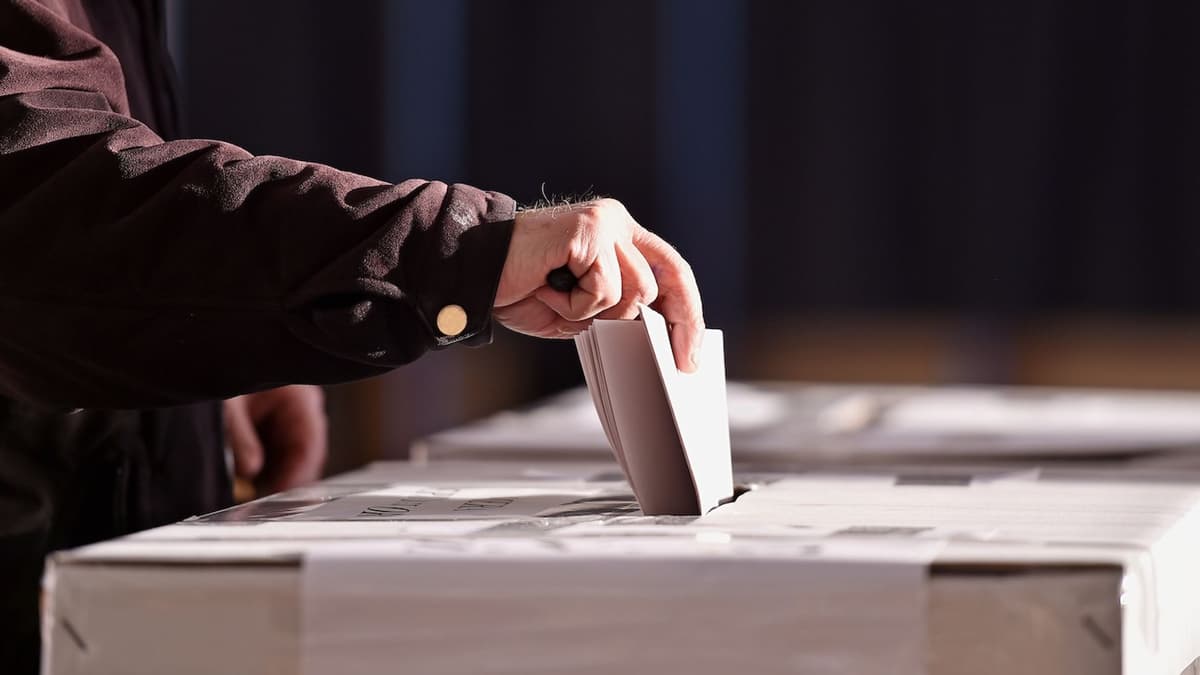
Tether Executive Warns the 2026 Midterms Could Have 'Seismic Impact' On Crypto Industry
Companies Mentioned
Why It Matters
The outcome of the 2026 midterms could either cement or reverse the regulatory tailwinds that have begun to legitimize digital assets, directly affecting investment flows and business models across the sector.
Key Takeaways
- •Tether's Jesse Spiro warns 2026 midterms could reshape crypto policy
- •Industry groups plan to spend hundreds of millions on campaign ads
- •Crypto voter base of ~3 million aims to swing close races
- •GENIUS Act progress may be undone if elections favor opponents
Pulse Analysis
The crypto industry has spent the past year courting Washington, culminating in legislative milestones such as the GENIUS Act, which clarifies the legal status of stablecoins and outlines reporting requirements. These advances have helped mainstream firms secure banking relationships and have encouraged institutional capital to dip a toe into digital assets. Yet, as Jesse Spiro emphasized at Consensus Miami, policy gains remain fragile without bipartisan support, and the 2026 midterms represent the first major electoral test of that durability.
Political spending is now a core component of crypto strategy. Following a record‑breaking outlay in the 2024 cycle, advocacy groups like Stand With Crypto and the Solana Policy Institute are earmarking hundreds of millions of dollars for ads, lobbyist fees, and grassroots mobilization ahead of November. Their goal is to turn the roughly three million registered crypto‑interested voters into a decisive bloc that can tip tight congressional races. By targeting swing districts, the industry hopes to embed pro‑crypto lawmakers who can shepherd future bills on tax treatment, developer protections, and market‑structure oversight.
The stakes extend beyond legislation. A favorable congressional outcome could solidify the regulatory framework, reducing compliance uncertainty for exchanges, custodians, and fintech firms. Conversely, a hostile shift could trigger stricter oversight, higher capital requirements, or even a rollback of stablecoin exemptions, unsettling markets and prompting capital flight. Investors, therefore, are watching the political landscape as closely as price charts, recognizing that electoral dynamics will shape the risk‑return profile of crypto assets for years to come.
Tether executive warns the 2026 midterms could have 'seismic impact' on crypto industry
Comments
Want to join the conversation?
Loading comments...