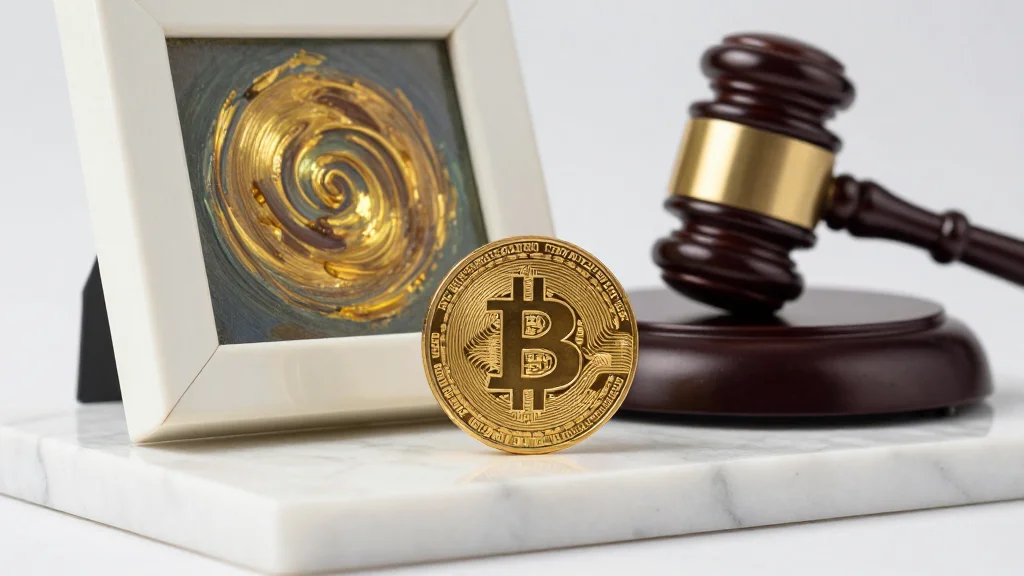
Texas Man Who Ran Cryptocurrency Scam Supposedly Backed by Blue-Chip Art Worth $1bn Sentenced to 23 Years in Prison
Why It Matters
The harsh sentence signals intensified federal enforcement against crypto scams, warning would‑be fraudsters and protecting investors in a market still lacking robust oversight.
Key Takeaways
- •Dunlap ran “Meta‑1 Coin” scam defrauding ~1,000 investors.
- •He claimed $1 billion art and $44 billion gold backing.
- •Victims lost over $20 million, many their life savings.
- •Sentenced to 23 years, full restitution ordered.
- •Case underscores federal crackdown on cryptocurrency fraud.
Pulse Analysis
The Meta‑1 Coin fraud illustrates how sophisticated narratives—linking digital tokens to high‑value assets like Picasso paintings and massive gold reserves—can lure unsuspecting investors. Dunlap fabricated legal documents and claimed an accounting firm audited the nonexistent gold, creating a veneer of legitimacy that convinced nearly a thousand people to part with their savings. By exploiting the hype around blockchain and the allure of “blue‑chip” collateral, the scheme generated over $20 million in losses before law‑enforcement uncovered the deception.
Federal authorities have stepped up prosecutions as cryptocurrency markets mature and attract mainstream attention. The Department of Justice, alongside the IRS Criminal Investigation unit, has pursued dozens of cases this year, reflecting a broader policy shift toward tighter oversight. However, the current administration’s efforts to roll back certain regulatory frameworks—such as the proposed “Digital Asset Market Integrity Act”—create tension between enforcement and legislative restraint. This dichotomy underscores the need for clear, enforceable rules that can deter fraud without stifling innovation.
For investors, the Dunlap case serves as a cautionary tale about due‑diligence and the perils of chasing outsized returns. The loss of $20 million, much of it retirees’ nest eggs, erodes confidence in emerging asset classes and could slow capital inflows to legitimate crypto projects. As courts continue to impose severe penalties, the market may see heightened scrutiny from both regulators and private auditors, fostering a more transparent environment that could ultimately restore trust among cautious capital providers.
Texas man who ran cryptocurrency scam supposedly backed by blue-chip art worth $1bn sentenced to 23 years in prison
Comments
Want to join the conversation?
Loading comments...