The 2026 Shift: Why Smart Users Are Choosing Direct Crypto Swaps Over Big Exchanges
•February 1, 2026
0
Companies Mentioned


Why It Matters
Direct, privacy‑first swaps lower barriers for retail traders, accelerating crypto liquidity and challenging the dominance of KYC‑heavy exchanges. This shift pressures legacy platforms to streamline onboarding or risk losing active users.
Key Takeaways
- •Fujn Swap offers instant, non‑custodial crypto swaps
- •No KYC or account required, preserving user privacy
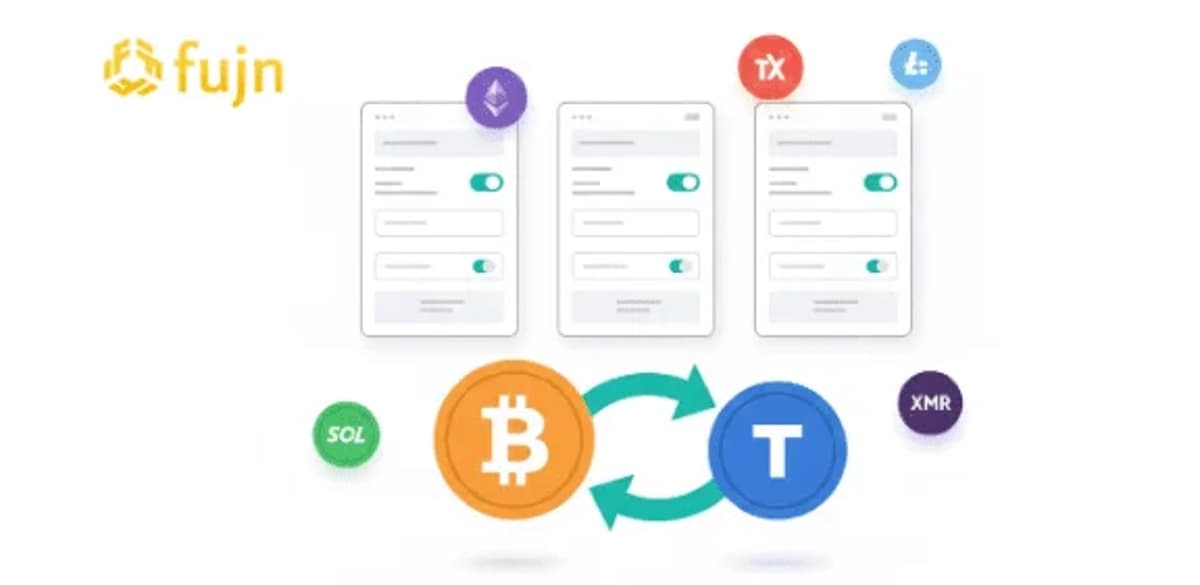
- •Cross‑chain swaps handle assets like SOL, BTC, XMR
- •Accelerator service mitigates Bitcoin network congestion delays
Pulse Analysis
The rise of direct crypto swap services reflects a broader market fatigue with the banking‑style procedures of centralized exchanges. Users increasingly value speed, anonymity, and the ability to transact across disparate blockchains without surrendering personal data. Fujn Swap capitalizes on this sentiment by eliminating sign‑ups and KYC, positioning itself as a utility‑first solution that aligns with the original ethos of decentralized finance.
Beyond privacy, the technical advantage of true cross‑chain functionality cannot be overstated. While many decentralized exchanges remain confined to a single ecosystem, Fujn Swap bridges assets from Solana to Bitcoin, Litecoin to USDT, and even privacy‑focused coins like Monero. This flexibility reduces the need for multiple platforms, consolidating trade execution and lowering overall transaction friction for power users and casual traders alike.
However, the service’s non‑custodial model still contends with inherent blockchain constraints, notably network fees and congestion. Fujn’s integrated Accelerator addresses Bitcoin mempool bottlenecks by signaling miners to prioritize pending swaps, thereby preserving the promised near‑instant experience. As the crypto market matures, such ancillary tools will become essential differentiators, compelling traditional exchanges to rethink their compliance-heavy architectures or risk obsolescence.
The 2026 Shift: Why Smart Users are Choosing Direct Crypto Swaps Over Big Exchanges
0
Comments
Want to join the conversation?
Loading comments...