The Dollar Is Crumbling. Fiat-Backed Stablecoins Are Next
•December 5, 2025
0
Why It Matters
A weakening dollar threatens the backbone of crypto liquidity, prompting a shift toward asset‑backed digital tokens that could reshape stablecoin markets and regulatory frameworks.
Key Takeaways
- •Dollar depreciation erodes stablecoin collateral value
- •Regulators eye tighter oversight of fiat‑backed tokens
- •Gold‑backed coins offer tangible asset backing
- •Liquidity risks rise as reserves shrink
- •Investors may shift to diversified crypto assets
Pulse Analysis
The dollar’s erosion is no longer a distant macro‑economic footnote; it is a catalyst reshaping the crypto ecosystem. Massive fiscal deficits, an accommodative Federal Reserve, and a growing appetite for alternative reserve currencies have collectively weakened confidence in the greenback. For stablecoins that promise a 1:1 peg to the dollar, this translates into heightened scrutiny of the underlying fiat reserves that back billions of dollars of digital liquidity. Market participants are now questioning whether traditional reserve models can survive sustained dollar volatility.
Fiat‑backed stablecoins face a convergence of operational and regulatory pressures. Transparency gaps in reserve disclosures have already prompted investigations in the U.S. and Europe, while redemption queues during market stress expose liquidity mismatches. As the dollar’s value contracts, the real‑world purchasing power of the reserves diminishes, potentially triggering a cascade of de‑pegging events. This risk environment incentivizes investors to diversify away from pure fiat‑linked tokens toward assets with clearer collateral structures, prompting a reevaluation of risk management practices across the crypto sector.
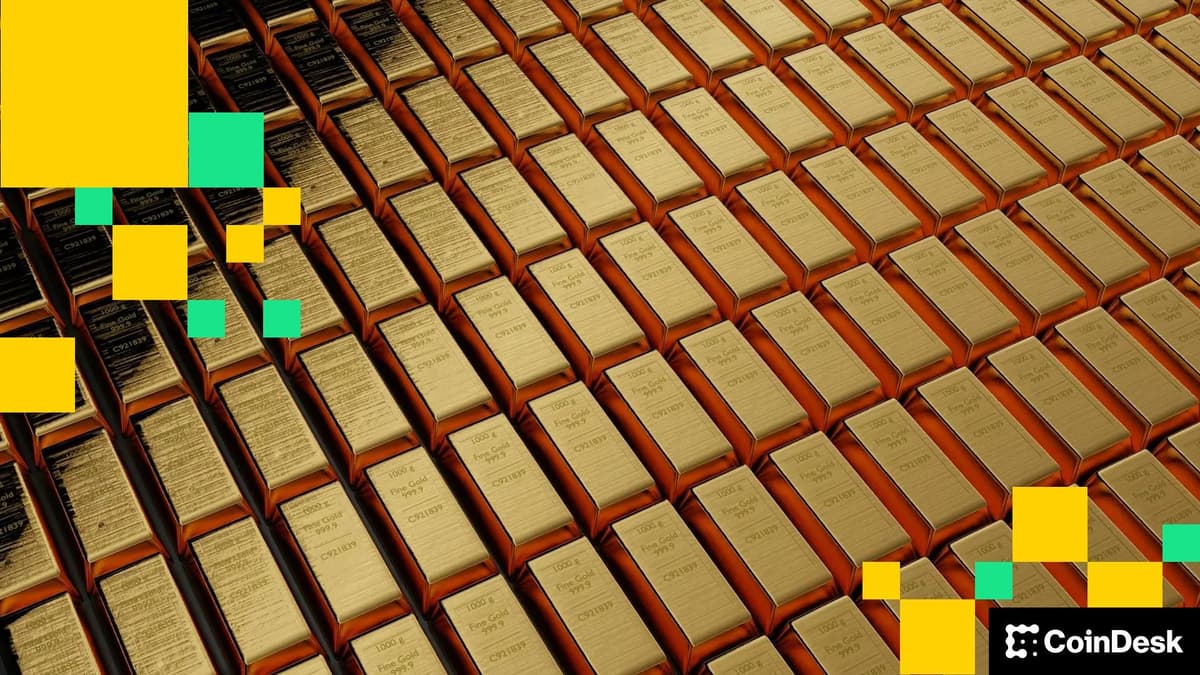
Gold‑backed stablecoins emerge as a compelling counterpoint, offering a physical asset anchor that historically preserves value across economic cycles. By locking digital tokens to audited bullion holdings, issuers can provide a transparent, inflation‑resistant reserve that appeals to both retail and institutional users. However, challenges remain: secure storage, audit integrity, and regulatory classification will dictate adoption speed. If these hurdles are addressed, gold‑backed tokens could redefine the stablecoin paradigm, delivering a hybrid of crypto efficiency and traditional asset stability in an era of fiat uncertainty.
The Dollar Is Crumbling. Fiat-Backed Stablecoins Are Next
0
Comments
Want to join the conversation?
Loading comments...