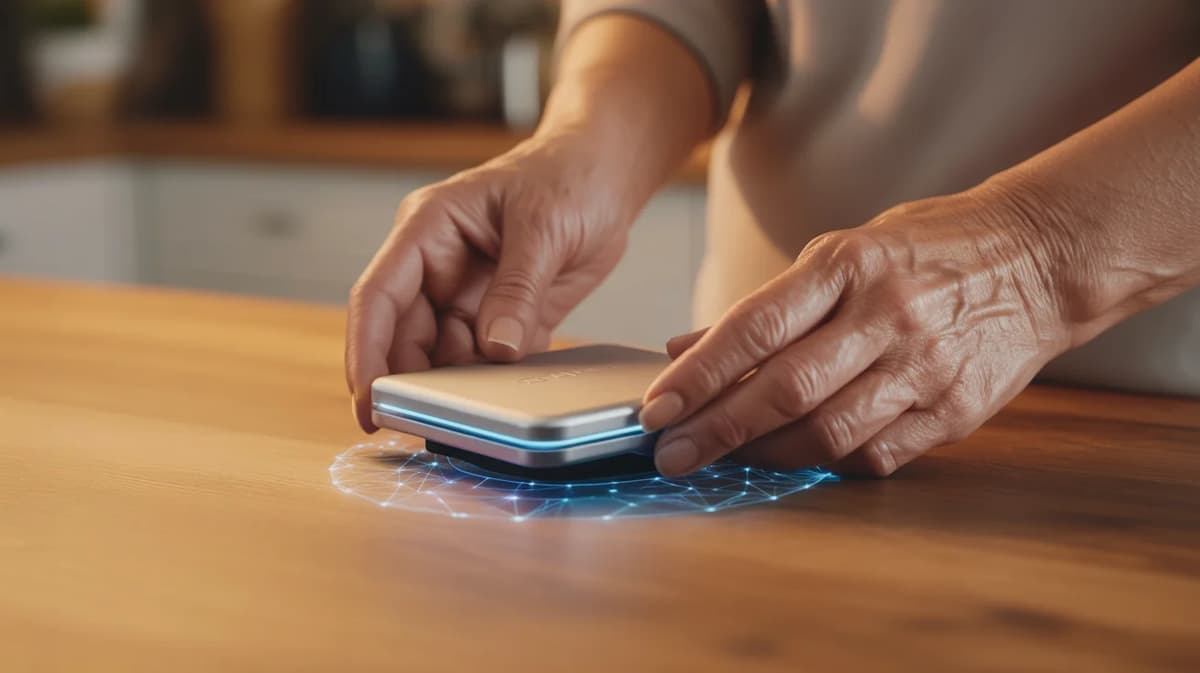
The Grandma Test: When Your Mom Can Use DePIN, Mass Adoption Has Arrived
•December 6, 2025
0
Why It Matters
Mass‑market usability transforms DePIN from speculative assets into viable infrastructure, reshaping telecom competition and unlocking new revenue streams.
Key Takeaways
- •DePIN apps now feature drag‑and‑drop onboarding
- •Grandma‑friendly wallets hide blockchain complexity
- •User base grew 150% quarter over quarter
- •Rewards can be claimed via fiat‑linked accounts
- •Traditional ISPs see competition from community networks
Pulse Analysis
DePIN’s recent surge is less about token hype and more about tangible user experience improvements. By abstracting cryptographic operations behind intuitive mobile interfaces, platforms enable everyday users to earn passive income simply by hosting a hotspot or sharing storage. This shift mirrors the early smartphone era, where seamless design catalyzed mass adoption, and it positions DePIN as a bridge between decentralized finance and real‑world services.
The financial implications are profound. As onboarding friction disappears, capital inflows accelerate, boosting token liquidity and encouraging institutional investors to consider DePIN as a diversified infrastructure play. Moreover, fiat‑linked payout options mitigate regulatory concerns, allowing participants to convert rewards without navigating complex exchanges. This convergence of user‑centric design and compliant financial pathways could drive a multi‑billion‑dollar market within the next two years.
Looking ahead, legacy telecom operators must adapt or risk obsolescence. Community‑run networks, powered by DePIN incentives, promise lower latency, localized coverage, and cost‑effective deployment in underserved regions. However, scalability challenges, spectrum regulation, and security standards remain hurdles. Stakeholders who invest in robust governance frameworks and cross‑industry partnerships will likely capture the next wave of infrastructure value, cementing DePIN’s role in the broader digital economy.
The Grandma Test: When Your Mom Can Use DePIN, Mass Adoption Has Arrived
0
Comments
Want to join the conversation?
Loading comments...