Thirteen Years After the First Halving, Bitcoin Mining Looks Very Different in 2025
•November 28, 2025
0
Why It Matters
Reduced rewards and tighter margins are forcing the industry toward greener, more distributed mining models, reshaping Bitcoin’s security and decentralization dynamics.
Key Takeaways
- •Solo miners regain share with low‑power ASICs
- •Hobbyist farms leverage renewable micro‑grids
- •Mining pools face margin compression from new entrants
- •Halving reduces rewards, intensifying competition
Pulse Analysis
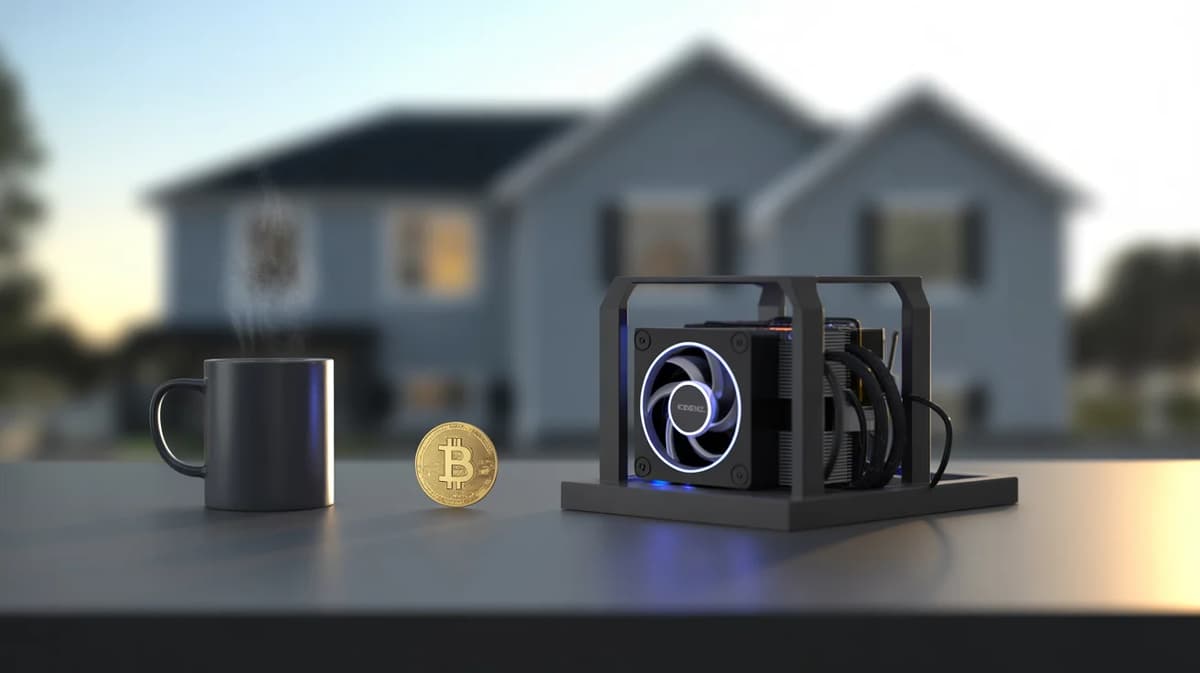
The 2025 Bitcoin mining environment reflects the cumulative impact of three halving cycles, each slashing block subsidies and compelling operators to chase ever‑lower electricity costs. While large‑scale farms continue to dominate hash rate, the latest reward cut has lowered the breakeven point for smaller players, prompting a wave of solo miners to adopt ultra‑efficient ASICs and niche power contracts. This shift not only diversifies the miner base but also introduces fresh capital into regions previously overlooked due to high energy prices.
Renewable energy integration has become a cornerstone of the hobbyist resurgence. Micro‑grid projects in the Pacific Northwest, Scandinavia, and parts of Central America allow small‑scale operators to harness surplus wind and solar power at near‑zero marginal cost. Coupled with innovative heat‑recovery systems that repurpose mining waste heat for residential heating, these setups improve profitability while addressing environmental concerns. The trend underscores a broader industry move toward sustainability, driven by both regulatory pressure and investor demand for greener crypto assets.
Meanwhile, mining pools are grappling with margin compression as new entrants dilute their share of block rewards. Pools are responding by offering lower fees, dynamic payout structures, and advanced mining algorithms that optimize for low‑power hardware. This competitive pressure is accelerating technological innovation, pushing ASIC manufacturers to prioritize energy efficiency over raw hash rate. For investors and policymakers, the evolving landscape signals a more decentralized and resilient Bitcoin network, but also highlights the need for clear regulatory frameworks to manage the growing environmental footprint.
Thirteen years after the first halving, Bitcoin mining looks very different in 2025
0
Comments
Want to join the conversation?
Loading comments...