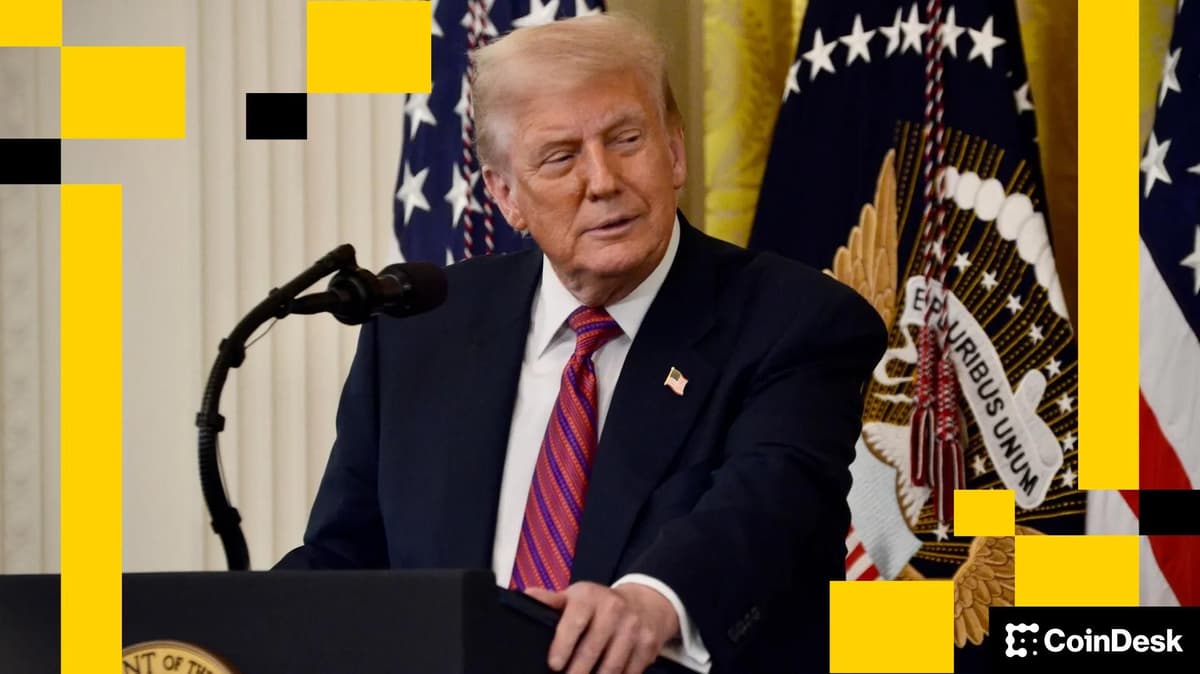
Trump-Linked World Liberty Financial Applies for Federal Bank Charter
•January 7, 2026
0
Companies Mentioned


Why It Matters
A charter would give World Liberty a regulated platform to expand USD1’s institutional use, signaling a broader shift toward mainstream acceptance of stablecoins under a crypto‑friendly regulator.
Key Takeaways
- •World Liberty seeks national trust charter for USD1 stablecoin.
- •Trump listed as co‑founder emeritus; family holds ownership.
- •OCC under Trump more crypto‑friendly than previous administration.
- •USD1 stablecoin claims fastest first‑year growth.
- •Approval would enable institutional issuance, custody, conversion services.
Pulse Analysis
The application by World Liberty Financial marks a notable convergence of political influence and digital asset innovation. By pursuing a national trust charter, the firm aims to embed its USD1 stablecoin within the regulated banking framework, offering institutions a single‑stop solution for issuance, custody, and conversion. This move mirrors recent OCC approvals for firms like Circle and Paxos, but the Trump connection adds a unique political dimension that could affect both market perception and regulatory scrutiny.
Regulatory dynamics are shifting under Comptroller Jonathan Gould, whose leadership reflects the Trump administration’s more permissive stance toward crypto services. The OCC’s pivot from the cautious approach of the Biden era to a proactive endorsement of stablecoin infrastructure underscores a broader policy realignment. As the GENIUS Act provides a legislative backdrop, the pending market‑structure bills will further define how stablecoin yields and consumer protections are handled, making the timing of World Liberty’s charter request especially consequential.
For institutional participants, a federally chartered trust could streamline cross‑border payments, settlement, and treasury operations that currently rely on a patchwork of custodial solutions. If approved, World Liberty would join a growing cohort of crypto‑backed banks, potentially accelerating USD1’s market penetration and setting a precedent for politically linked entities entering the regulated financial space. The outcome will likely influence investor confidence, competitive dynamics among stablecoin issuers, and the future trajectory of U.S. digital asset policy.
Trump-linked World Liberty Financial applies for federal bank charter
0
Comments
Want to join the conversation?
Loading comments...