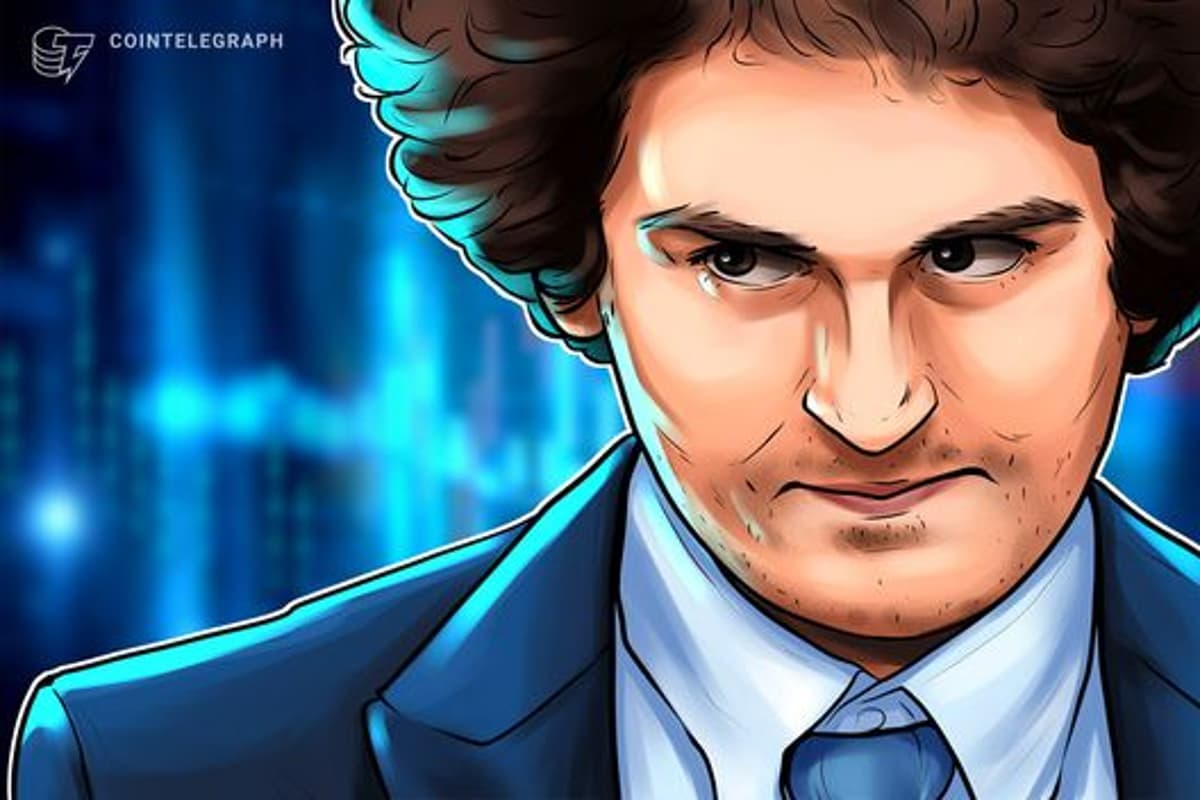
Trump Rules Out Sam Bankman-Fried Pardon in NYT Interview
•January 8, 2026
0
Companies Mentioned


Why It Matters
The refusal signals that even politically connected crypto executives cannot rely on executive clemency, reinforcing regulatory scrutiny and investor caution. It also underscores the growing entanglement of politics and digital‑asset markets.
Key Takeaways
- •Trump rejects pardoning Sam Bankman‑Fried
- •SBF serving 25‑year sentence for FTX fraud
- •Trump cites crypto backing for electoral support
- •Appeal pending before Second Circuit; Supreme Court next
- •Crypto‑related pardons remain rare, sparking industry scrutiny
Pulse Analysis
Trump’s recent interview underscores a nuanced relationship between politics and the burgeoning crypto industry. While he has previously issued high‑profile pardons—such as Silk Road founder Ross Ulbricht and Binance’s Changpeng Zhao—Trump drew a line at Sam Bankman‑Fried, emphasizing that his own electoral gains from crypto support do not translate into blanket clemency. This selective approach reflects a calculated effort to balance voter appeal with the legal and reputational risks of appearing to favor a convicted fraudster, especially as his family’s holdings in American Bitcoin and the Official Trump memecoin attract scrutiny.
The legal battle for Bankman‑Fried now shifts to the appellate arena. His attorneys are arguing before the Second Circuit that procedural errors and sentencing disparities merit reversal. Should the appellate court uphold the conviction, the next step would be a petition to the Supreme Court, a path rarely granted in financial crime cases. An unfavorable ruling would cement a precedent that even well‑connected founders cannot evade severe penalties, potentially prompting stricter enforcement actions against other crypto operators and influencing ongoing legislative debates on digital‑asset oversight.
Market participants are watching the developments closely, as the outcome could reshape risk assessments for crypto ventures. Investors may interpret Trump’s refusal as a signal that regulatory bodies are unlikely to receive political shielding, prompting tighter compliance frameworks and more diligent due‑diligence practices. Moreover, the episode highlights the broader political volatility surrounding digital currencies, reminding stakeholders that policy shifts can arise from personal affiliations as much as from formal regulatory agendas. In this environment, firms that demonstrate transparent governance and distance from partisan entanglements are likely to attract more sustainable capital.
Trump rules out Sam Bankman-Fried pardon in NYT interview
0
Comments
Want to join the conversation?
Loading comments...