Companies Mentioned


Why It Matters
Trump’s refusal removes a potential political lifeline for a disgraced crypto founder, underscoring the limits of presidential clemency as a tool for industry rehabilitation. It also signals the administration’s selective approach to high‑profile pardons, affecting both the crypto sector and broader geopolitical narratives.
Key Takeaways
- •Trump refuses to pardon Sam Bankman‑Fried
- •No clemency for Sean “Diddy” Combs
- •Trump also declines help for Venezuela’s Maduro
- •SBF’s parents sought pardon through Trump contacts
- •Trump previously pardoned crypto figures like CZ and Ulbricht
Pulse Analysis
The Trump administration’s stance on presidential pardons continues to shape public perception of both political accountability and industry redemption. By explicitly denying clemency to Sam Bankman‑Fried, the former FTX CEO whose collapse triggered a wave of crypto market turbulence, Trump signals that high‑profile financial misconduct will not be mitigated through executive mercy. This decision also reflects a broader pattern: while Trump has intervened in cases that align with his political or personal interests—such as pardoning Binance founder Changpeng Zhao—he draws a line when the potential beneficiary lacks clear strategic value or public support.
For the cryptocurrency ecosystem, the ruling carries mixed implications. On one hand, it reinforces the message that regulatory scrutiny and legal consequences remain paramount, discouraging reliance on political connections to escape accountability. On the other, the administration’s prior pardons of figures like Ross Ulbricht and CZ suggest a nuanced approach, where select crypto leaders receive leniency if it bolsters the sector’s legitimacy or aligns with the president’s narrative of innovation. Investors and startups must therefore navigate a landscape where legal risk management is as critical as technological development.
Internationally, Trump’s refusal to intervene on behalf of Nicolás Maduro underscores a consistent foreign‑policy posture that avoids appearing to endorse authoritarian regimes, even when personal or diplomatic leverage exists. Coupled with his recent pardon of former Honduran president Juan Orlando Hernández, the pattern illustrates a selective, case‑by‑case use of clemency that balances domestic political messaging with geopolitical considerations. Stakeholders across finance, law, and policy will watch closely for how future pardon decisions may influence both market confidence and diplomatic dynamics.
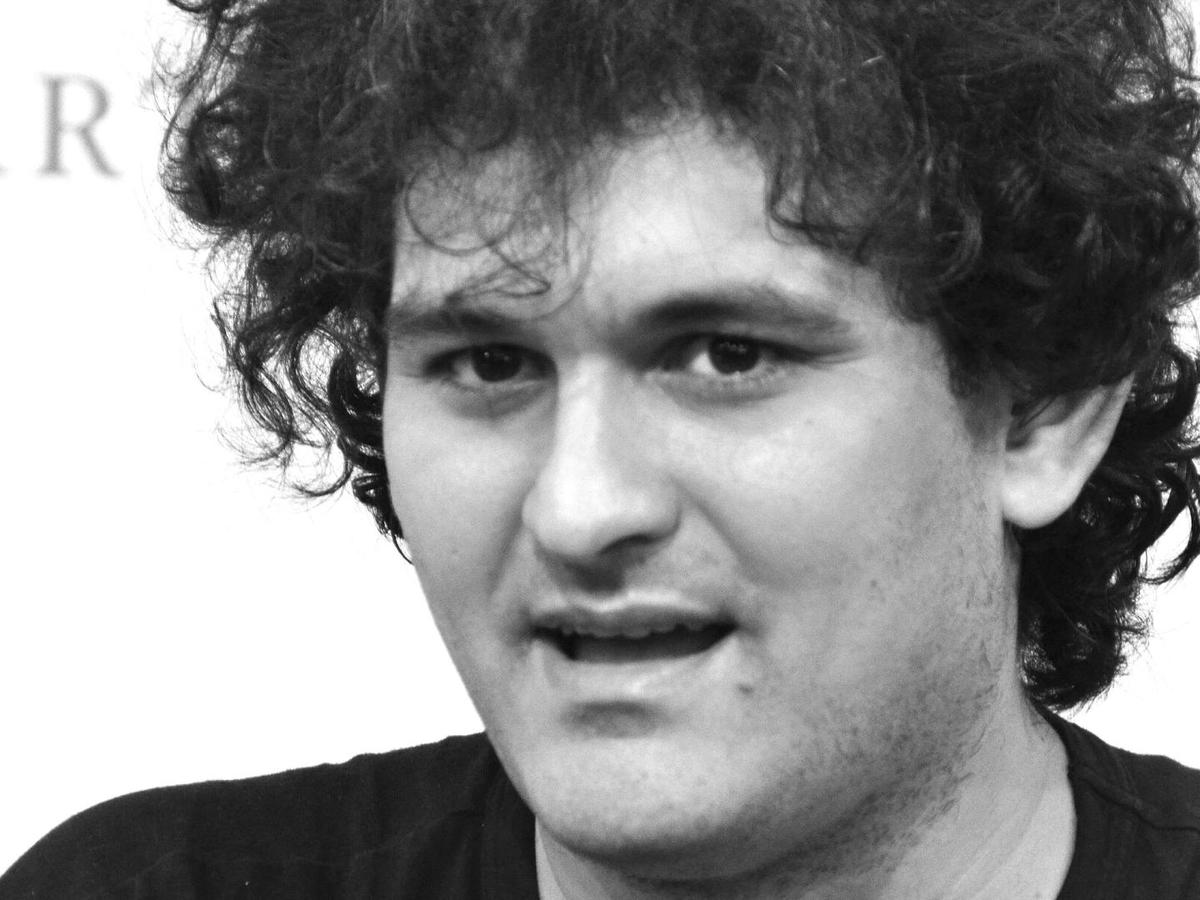
Trump says he won't rescue Sam Bankman-Fried with pardon
0
Comments
Want to join the conversation?
Loading comments...