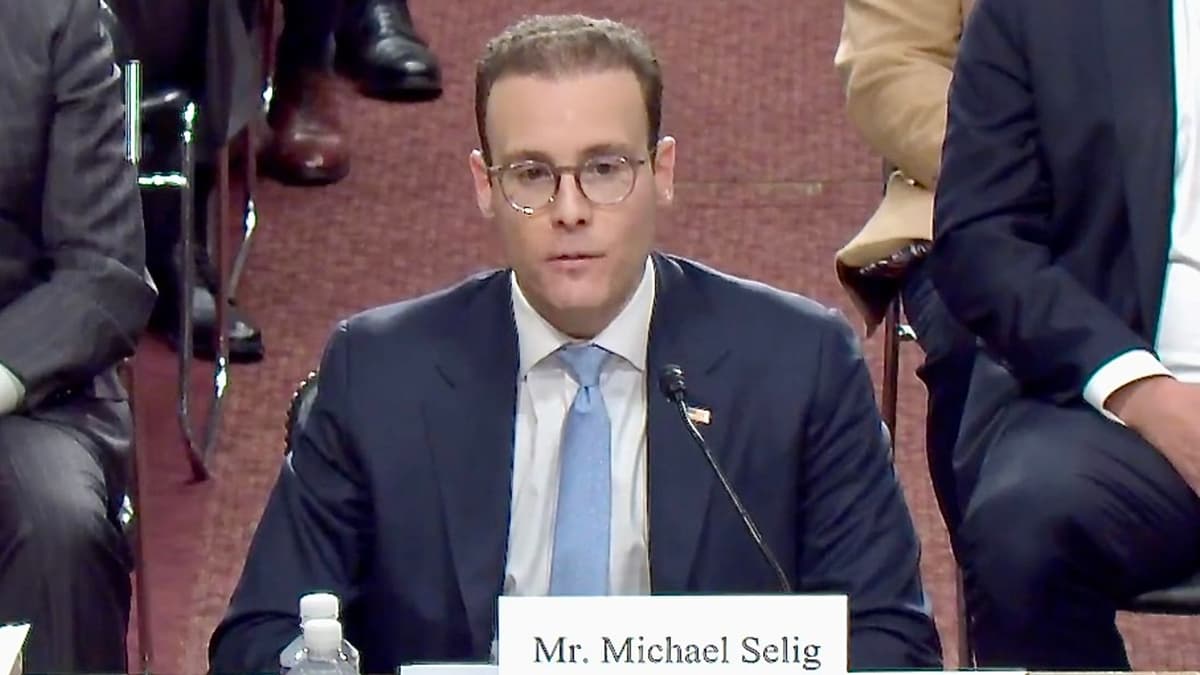
Trump's CFTC, FDIC Picks Closer to Taking Over Agencies as They Advance in Senate
•December 3, 2025
0
Why It Matters
Control of the CFTC and FDIC determines the United States’ regulatory tone for cryptocurrencies, impacting market participants and investor confidence. Their leadership will shape how quickly the sector adapts to emerging risks and opportunities.
Key Takeaways
- •Trump's CFTC pick cleared Senate committee vote
- •FDIC nominee advanced to full Senate floor
- •Both roles critical for crypto oversight
- •Mass‑confirmation could streamline regulatory reforms
- •Potential policy shifts may affect stablecoin frameworks
Pulse Analysis
The Senate’s advancing confirmation of President Trump’s picks for the Commodity Futures Trading Commission (CFTC) and the Federal Deposit Insurance Corporation (FDIC) marks a pivotal moment for U.S. crypto regulation. Historically, the CFTC has been the primary watchdog for derivatives, including Bitcoin futures, while the FDIC oversees bank insurance and, increasingly, the intersection of traditional finance with digital assets. By securing leadership aligned with the administration’s pro‑innovation stance, policymakers aim to reduce regulatory friction that has hampered fintech growth. This move also signals to the market that Washington is preparing a more cohesive framework, potentially easing compliance burdens for exchanges and custodians.
Beyond the immediate personnel changes, the broader mass‑confirmation package includes several other financial regulators whose appointments could harmonize oversight across the banking, securities, and commodities sectors. A unified leadership team may accelerate the rollout of clear guidelines for stablecoins, decentralized finance protocols, and crypto‑backed lending platforms. Industry observers note that such clarity could attract institutional capital, as investors often await regulatory certainty before committing sizable resources. Conversely, rapid policy shifts could introduce short‑term volatility as market participants adjust to new supervisory expectations.
For businesses operating in the crypto ecosystem, the confirmation timeline is a critical planning factor. Companies must monitor the Senate’s final votes, anticipate potential rulemaking initiatives, and align their compliance programs with the likely regulatory direction. The new CFTC chair is expected to prioritize market integrity and consumer protection while fostering innovation, whereas the FDIC leader may focus on integrating crypto‑friendly banking services without compromising depositor safety. Stakeholders that proactively engage with these agencies stand to shape future regulations, securing a competitive edge in an evolving financial landscape.
Trump's CFTC, FDIC Picks Closer to Taking Over Agencies as They Advance in Senate
0
Comments
Want to join the conversation?
Loading comments...