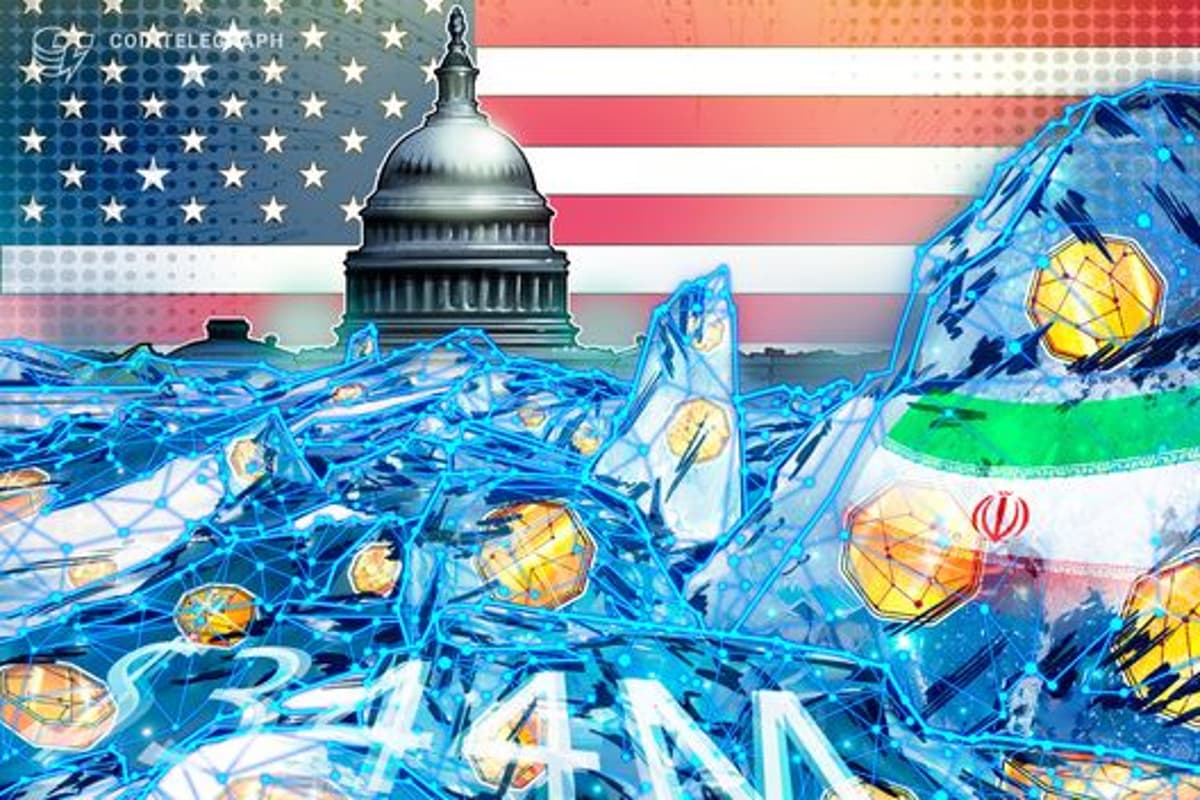
US Authorities Freeze $344M in Crypto Linked to Iran
Companies Mentioned
Why It Matters
Targeting crypto assets tightens financial pressure on Iran, signaling that digital currencies are no longer a safe haven for sanctioned regimes and raising compliance stakes for the broader crypto industry.
Key Takeaways
- •OFAC sanctioned two Tron wallets tied to IRGC and Hezbollah.
- •$344 million in crypto frozen, matching Tether’s voluntary hold.
- •Iran plans Bitcoin tolls for Strait of Hormuz ship passages.
- •Sanctions aim to cut Tehran’s ability to move illicit funds.
- •U.S. and Israel’s joint airstrikes heighten financial pressure on Iran.
Pulse Analysis
The Treasury’s latest action underscores a growing recognition that cryptocurrency can be weaponized to fund sanctioned entities. By targeting wallets on the Tron network—chosen for its low transaction fees and relative anonymity—OFAC demonstrates an evolving capability to trace and freeze illicit digital assets. This move also aligns with broader U.S. sanctions strategy, which increasingly leverages financial tools alongside kinetic measures, such as the recent joint airstrikes with Israel, to constrain Iran’s regional ambitions.
For the crypto industry, the coordinated freeze with stablecoin issuer Tether sends a clear compliance signal. Tether’s decision to lock more than $344 million of USDT at the behest of regulators illustrates how custodial platforms are becoming frontline actors in sanctions enforcement. Firms handling digital assets must now bolster AML and sanctions screening, especially for high‑risk jurisdictions, or risk losing access to essential banking relationships. The episode may also prompt heightened scrutiny of other blockchain networks that could serve as conduits for sanctioned funds.
Geopolitically, Iran’s reported plan to charge Bitcoin tolls for vessels navigating the Strait of Hormuz adds a novel dimension to the maritime dispute. By monetizing a strategic chokepoint with cryptocurrency, Tehran seeks to bypass traditional banking channels and generate revenue despite sanctions. However, the Treasury’s swift response indicates that such tactics are vulnerable to rapid interdiction. As the U.S. continues to integrate crypto oversight into its foreign policy toolkit, market participants should anticipate tighter regulatory scrutiny and potential volatility in assets linked to high‑risk regions.
US authorities freeze $344M in crypto linked to Iran
Comments
Want to join the conversation?
Loading comments...