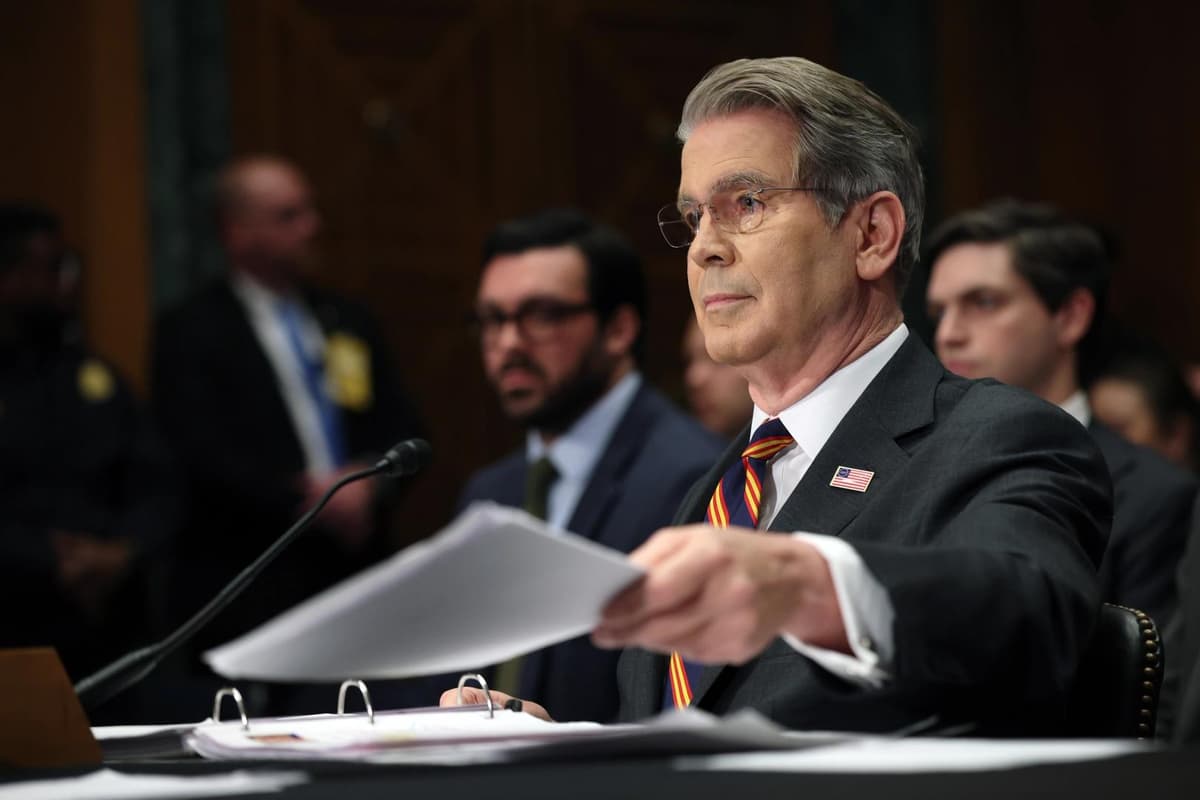
U.S. Treasury's Bessent Calls Out Crypto 'Nihilists' Resisting Market Structure Bill
•February 5, 2026
0
Companies Mentioned

Why It Matters
Passing the Clarity Act would provide regulatory certainty, enabling U.S. firms to innovate while mitigating illicit‑finance risks. Without it, the industry may shift abroad, weakening America’s competitive edge in fintech.
Key Takeaways
- •Treasury Secretary urges crypto regulation, threatens relocation.
- •Senate bill faces pushback over DeFi and stable‑coin provisions.
- •Coinbase CEO withdrew support, influencing legislative momentum.
- •Warner emphasizes national‑security concerns in digital asset rules.
- •Clarity Act deemed essential for U.S. crypto market growth.
Pulse Analysis
The push for a comprehensive digital‑asset framework reflects a broader shift in U.S. financial policy toward clearer, technology‑friendly rules. After years of fragmented guidance, the Digital Asset Market Clarity Act aims to codify definitions for tokens, set standards for stable‑coin yield products, and align DeFi activities with existing securities and anti‑money‑laundering laws. By consolidating these elements, the legislation seeks to reduce compliance ambiguity that has deterred institutional participation and slowed capital inflows into American crypto ventures.
Political dynamics are now the primary obstacle. Treasury Secretary Scott Bessent’s blunt invitation for dissenting firms to relocate to El Salvador underscores the administration’s frustration with industry lobbying that frames regulation as a barrier to innovation. Meanwhile, Senator Mark Warner’s focus on national‑security implications of decentralized finance adds a layer of urgency, positioning the bill as a tool to protect the financial system from illicit use. The clash between crypto executives, who fear over‑regulation, and policymakers, who demand oversight, mirrors earlier battles over fintech and has already prompted Coinbase CEO Brian Armstrong to withdraw support for earlier bill drafts.
If enacted, the Clarity Act could reshape the competitive landscape. Clear rules would likely attract banks, asset managers, and venture capital back into the U.S. market, fostering a domestic ecosystem that rivals offshore hubs. Conversely, a stalled or watered‑down version may accelerate migration of talent and capital to jurisdictions with friendlier regimes, eroding the United States’ leadership in financial innovation. Stakeholders therefore watch the upcoming negotiation rounds closely, as the final language will determine whether America retains its edge in the rapidly evolving crypto economy.
U.S. Treasury's Bessent calls out crypto 'nihilists' resisting market structure bill
0
Comments
Want to join the conversation?
Loading comments...