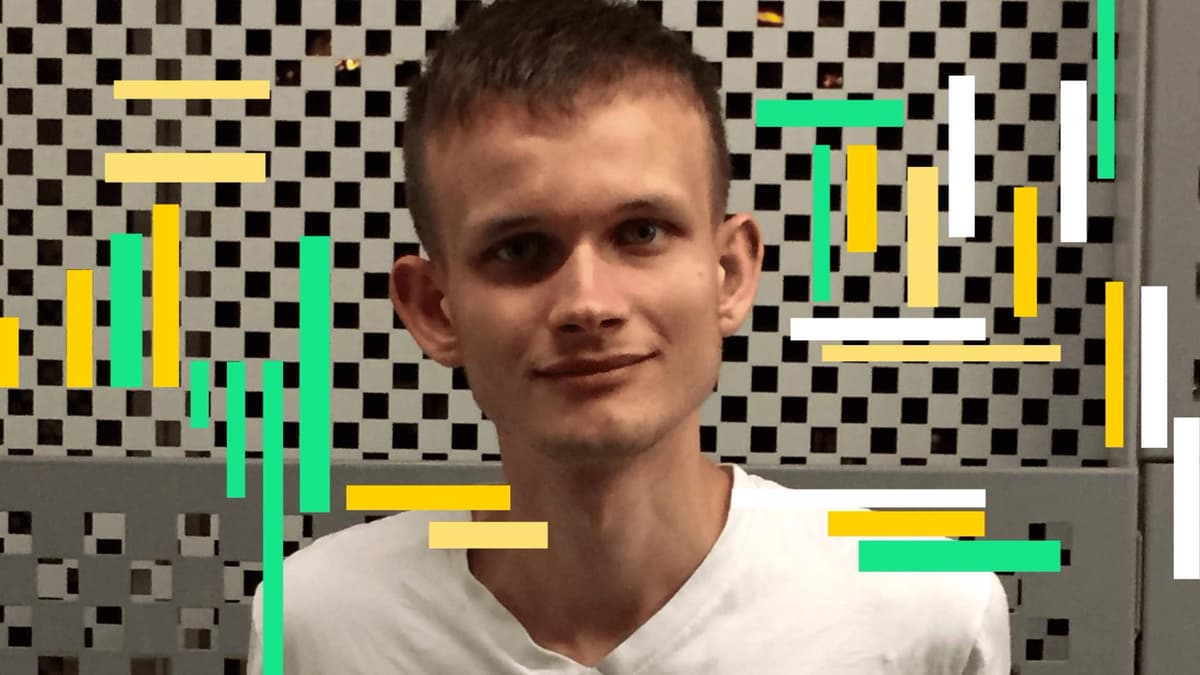
Vitalik Buterin Lays Out 'Walkaway Test' For a Quantum Safe Ethereum
•January 12, 2026
0
Companies Mentioned

Why It Matters
A quantum‑safe, self‑sustaining Ethereum protects billions in DeFi and keeps the platform competitive against emerging layer‑2 and alternative blockchains.
Key Takeaways
- •Walkaway test demands protocol self‑sufficiency without developer upgrades
- •Quantum resistance prioritized to safeguard cryptography for decades
- •Target thousands of transactions per second via ZK‑EVM, PeerDAS
- •Full account abstraction to replace ECDSA signatures
- •Annual milestones required for each long‑term goal
Pulse Analysis
The looming reality of quantum computers threatens the elliptic‑curve cryptography that underpins most public blockchains. Ethereum’s massive value lock makes it a prime target, and a breakthrough in quantum algorithms could render current signatures obsolete overnight. By championing quantum‑resistant primitives now, the network not only averts a catastrophic security breach but also signals to institutional investors that long‑term risk management is baked into its roadmap.
Scalability has become the litmus test for blockchain relevance, with rivals racing to deliver sub‑second finality and high throughput. Buterin’s focus on ZK‑EVM validation and PeerDAS data sampling offers a hybrid approach: zero‑knowledge proofs compress transaction data while peer‑driven availability reduces storage burdens. Coupled with full account abstraction, which decouples transaction authentication from ECDSA, these upgrades could lower barriers for developers and users alike, fostering a more decentralized and efficient ecosystem.
The "walkaway test" reframes Ethereum’s governance philosophy, shifting from perpetual developer‑driven upgrades to a protocol that can thrive autonomously. Annual checkpoints for each strategic pillar create a predictable cadence, encouraging ecosystem participants to align product roadmaps with network capabilities. This self‑sustaining model not only mitigates centralization risks but also enhances investor confidence, positioning Ethereum as a durable foundation for the next decade of decentralized finance and beyond.
Vitalik Buterin lays out 'walkaway test' for a quantum safe Ethereum
0
Comments
Want to join the conversation?
Loading comments...