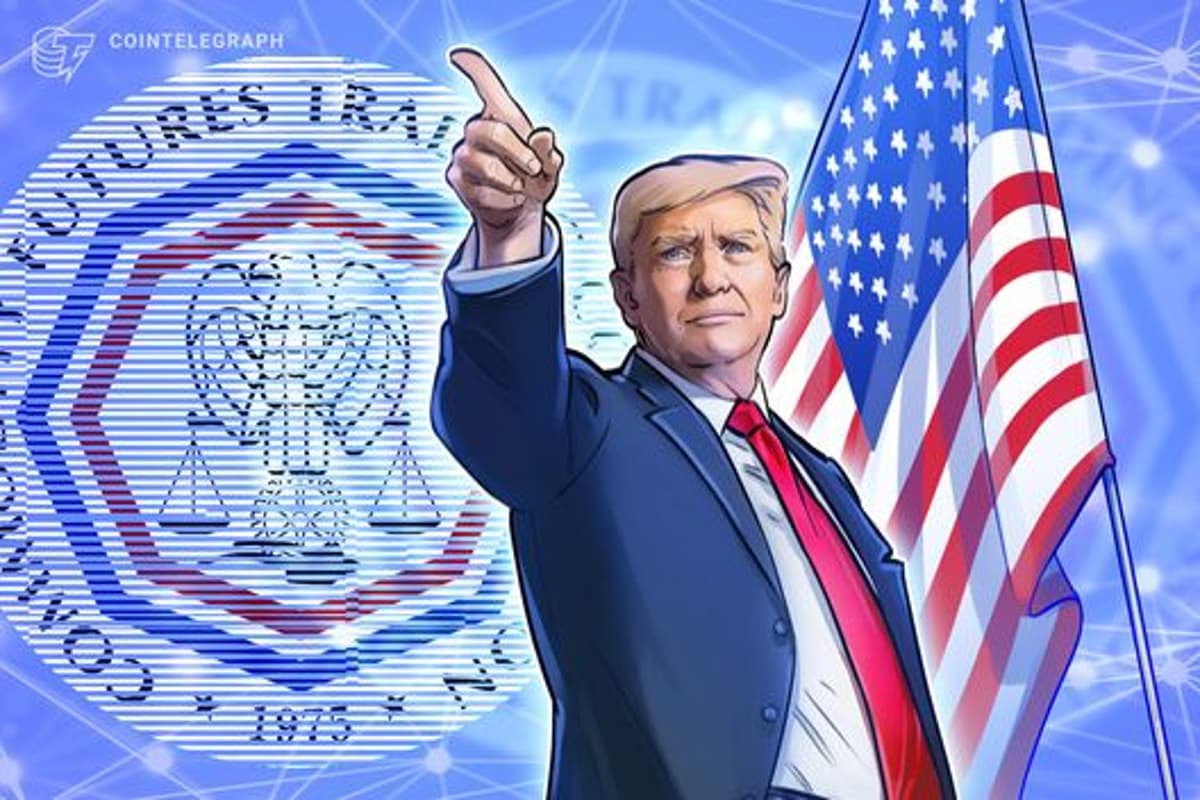
Vote on Trump’s CFTC Chair Pick Could Come Today, US Senator Says
•December 11, 2025
0
Companies Mentioned


Why It Matters
Confirming Selig will shape the CFTC’s crypto oversight at a critical regulatory juncture, while Pham’s policy moves signal a shift toward industry-friendly regulation. The outcome influences market stability and future legislative actions on digital assets.
Key Takeaways
- •Senate may confirm Michael Selig as CFTC chair today
- •Vote occurs before Dec 22 holiday recess
- •Acting chair Caroline Pham plans to withdraw crypto guidance
- •Innovation Council to include major crypto exchange heads
- •Confirmation could leave Selig as sole CFTC commissioner
Pulse Analysis
The Commodity Futures Trading Commission sits at the intersection of traditional commodities markets and the rapidly evolving digital‑asset space. President Trump’s nomination of Michael Selig, a seasoned commodities lawyer, arrives amid a partisan split in the Senate and a looming holiday recess that compresses the confirmation timeline. If confirmed, Selig would inherit an agency grappling with legacy enforcement frameworks while under pressure to modernize its approach to futures contracts tied to cryptocurrencies. His background suggests a pragmatic, market‑oriented stance, but the political optics of a swift vote could set precedents for future regulatory appointments.
Parallel to the nomination drama, acting chair Caroline Pham has intensified the CFTC’s crypto agenda. By pledging to withdraw what she calls “outdated” guidance, Pham aims to remove barriers that she believes stifle innovation in digital assets. Her decision to broaden the CEO Innovation Council with executives from Kraken, Gemini, Crypto.com, and other platforms signals a collaborative regulatory model that leans toward industry input. This move could accelerate the development of clearer rules for crypto derivatives, but it also raises concerns among consumer‑protection advocates about potential regulatory capture.
The combined effect of Selig’s potential confirmation and Pham’s policy shifts will reverberate across the financial sector. A chair aligned with the Trump administration’s deregulatory tone may prioritize enforcement against market manipulation while fostering a more permissive environment for crypto‑related futures. Investors, exchanges, and fintech firms will watch closely for signals on compliance costs and market access. Moreover, the Senate’s decision will likely influence congressional debates on broader fintech legislation, making the upcoming vote a bellwether for the United States’ stance on digital‑asset regulation in the coming year.
Vote on Trump’s CFTC chair pick could come today, US senator says
0
Comments
Want to join the conversation?
Loading comments...