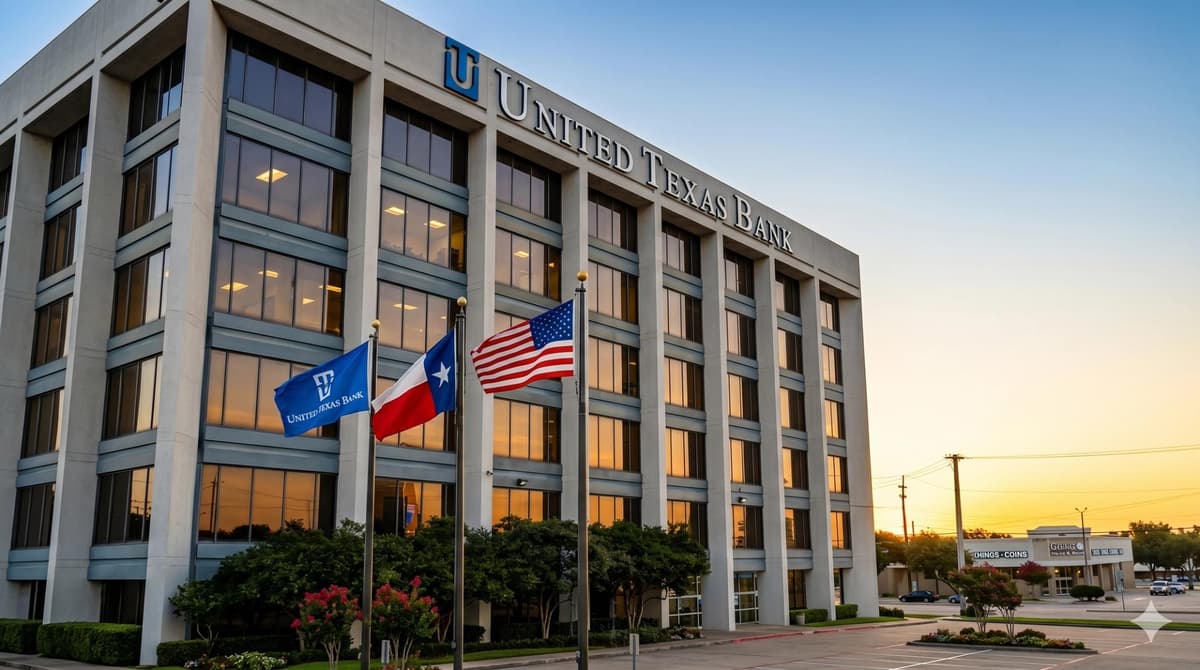
Wall Street Gets New Crypto Rival After Texas Bank Completes Regulatory Pivot
Companies Mentioned
Why It Matters
The national charter lets UTB compete directly with money‑center banks for crypto liquidity, potentially reshaping how digital‑asset firms access payment rails and compliance services.
Key Takeaways
- •UTB cleared $10 B monthly for global crypto firms after national charter
- •New AI-driven UTB Atomic network offers 24/7 real‑time crypto payments
- •UTB Prism Sentinel provides continuous blockchain AML surveillance for compliance
- •Charter gives UTB Federal Reserve wire and ACH access like big banks
- •UTB plans full‑service digital‑asset custody and trust launch this summer
Pulse Analysis
The OCC conversion marks a watershed moment for U.S. crypto banking. By moving from a state to a national charter, United Texas Bank sidesteps the fragmented regulatory environment that has hampered many digital‑asset service providers. Direct access to the Federal Reserve’s wire and ACH systems places UTB on equal footing with legacy institutions such as JPMorgan and Bank of America, while its FDIC insurance reassures risk‑averse clients. This regulatory upgrade also signals to the market that larger banks may soon face a credible, crypto‑native competitor on the national stage.
UTB’s technology rollout reinforces its strategic ambition. The AI‑driven UTB Atomic platform promises instantaneous, off‑balance‑sheet clearing for institutional traders, eliminating the settlement bottlenecks that plagued the market after the collapse of Silvergate and Signature Bank. Paired with Prism Sentinel, an automated AML and blockchain‑surveillance engine, the bank can monitor transactions in real time and meet emerging stablecoin regulations like the GENIUS and Clarity Acts. These tools not only enhance liquidity but also reduce compliance costs for crypto firms seeking a reliable banking partner.
The broader industry impact could be profound. As Wall Street banks cautiously dip their toes into digital assets, UTB’s full‑service custody and trust offerings—scheduled for a summer launch—provide a ready‑made alternative for firms that have struggled to secure traditional banking relationships. If the bank can sustain its $10 billion monthly clearing volume and expand its client base, it may catalyze a shift toward more integrated, AI‑enabled financial infrastructure, accelerating mainstream adoption of crypto and stablecoins across the United States.
Wall Street gets new crypto rival after Texas bank completes regulatory pivot
Comments
Want to join the conversation?
Loading comments...