'We Outright Grabbed The Wallets': Bessent Boasts $1BN In Iran State Crypto Seized To Date
Key Takeaways
- •$1 billion in Iranian crypto seized under Operation Epic Fury.
- •$344 million USDT freeze on Tron blockchain in April 2026.
- •IRGC‑linked wallets handled over $3 billion in 2025.
- •Treasury vows more OFAC wallet designations in coming months.
- •Iranian citizens rely on crypto amid 90% rial depreciation.
Pulse Analysis
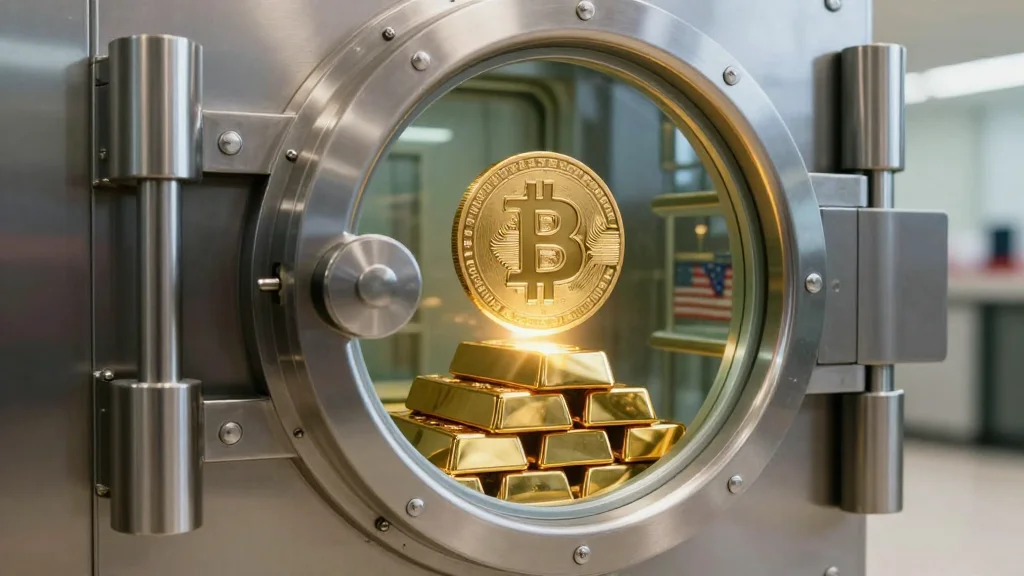
The United States is intensifying its financial offensive against Tehran, using cryptocurrency seizures as a new lever in its sanctions toolbox. Operation Epic Fury, launched under the Trump administration, has evolved from traditional asset freezes to direct wallet takedowns, culminating in the recent $1 billion seizure announced by Treasury Secretary Scott Bessent. By targeting USDT on the Tron network and other digital assets, regulators demonstrate that crypto can be treated like any other financial instrument when it serves sanctioned entities, reinforcing the message that anonymity on public blockchains does not guarantee impunity.
For ordinary Iranians, crypto has become both a lifeline and a liability. With the rial losing roughly 90 percent of its value since 2018 and inflation hovering between 40‑50 percent, citizens have turned to Bitcoin and stablecoins to preserve wealth and send remittances. However, the Islamic Revolutionary Guard Corps has increasingly co‑opted these channels, funneling over $3 billion in 2025 alone through sanctioned wallets. The U.S. seizure therefore strikes at a dual target: it deprives the regime of illicit funds while disrupting a parallel financial system that many citizens depend on, potentially prompting tighter state control over crypto usage.
The broader market is watching closely. As the Treasury signals more OFAC designations, crypto exchanges, custodians, and DeFi platforms face heightened due‑diligence obligations to avoid facilitating sanctioned transactions. Compliance teams must upgrade blockchain analytics, and firms risk significant penalties for lapses. Meanwhile, investors may see short‑term volatility in assets linked to Iran‑related activity, but the long‑term trend points toward greater regulatory clarity and the integration of crypto into traditional sanctions regimes, reshaping how illicit finance is policed globally.
'We Outright Grabbed The Wallets': Bessent Boasts $1BN In Iran State Crypto Seized To Date
Comments
Want to join the conversation?