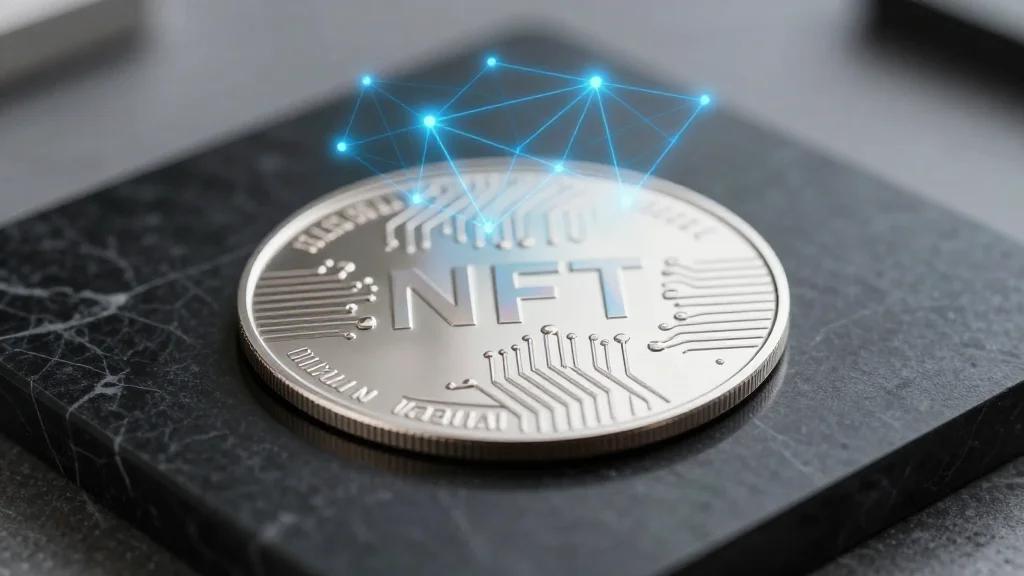
What Is A Non-Fungible Token? Understanding How NFTs Work
Why It Matters
NFTs unlock new monetisation pathways for creators and open tokenised ownership of real‑world assets, while raising fresh compliance challenges for regulators and financial institutions.
Key Takeaways
- •NFTs are unique cryptographic tokens on a blockchain.
- •FATF classifies NFTs as digital collectibles, not payment instruments.
- •Tokenizing assets like art or real estate reduces fraud and intermediaries.
- •NBA Top Shot sales have reached multi‑million‑dollar levels.
- •Regulators assess NFTs case‑by‑case for anti‑money‑laundering rules.
Pulse Analysis
The rise of non‑fungible tokens marks a shift from purely fungible cryptocurrencies to assets that carry distinct identity and provenance. By embedding metadata directly on a blockchain, NFTs provide an immutable record of ownership, which the FATF now treats as a collectible rather than a traditional financial instrument. This regulatory framing forces firms to adopt a functional approach, assessing each token’s use case—whether as a simple digital souvenir or as a conduit for value transfer—when applying anti‑money‑laundering controls.
Beyond the hype of digital art, NFTs are gaining traction as a bridge between the physical and digital economies. Tokenising real‑world items such as paintings, luxury goods, or even parcels of real estate enables fractional ownership, faster settlement, and reduced reliance on intermediaries like brokers or galleries. For artists and creators, smart‑contract royalties can be baked into the token, ensuring ongoing revenue each time the NFT changes hands. Meanwhile, platforms like NBA Top Shot have demonstrated the market’s appetite, with some tokenised moments fetching several million dollars, underscoring the potential for high‑value, scarcity‑driven digital collectibles.
Looking ahead, the scalability of blockchain infrastructure, evolving legal definitions, and broader institutional adoption will dictate NFT longevity. As enterprises explore tokenised supply‑chain tracking, identity verification, and intellectual‑property licensing, the demand for robust standards and clear regulatory guidance will intensify. Stakeholders that can balance innovative token design with compliance—particularly around Know‑Your‑Customer and transaction monitoring—will be best positioned to capture value in this emerging asset class.
What Is A Non-Fungible Token? Understanding How NFTs Work
Comments
Want to join the conversation?
Loading comments...