Why a $9 Billion Bitcoin Sale by Single Galaxy Client Reignites Quantum Threat Debate
•February 3, 2026
0
Companies Mentioned


Why It Matters
The sale highlights a potential change in holder behavior driven by security anxieties, while underscoring the urgency for blockchain networks to address quantum‑related vulnerabilities before they become exploitable.
Key Takeaways
- •$9B Bitcoin sale by single Galaxy client.
- •Sale linked to quantum computing security concerns.
- •Quantum threat could affect up to one-third of Bitcoin supply.
- •Developers explore post‑quantum upgrades for major blockchains.
- •Institutions reassessing Bitcoin exposure because of quantum risk.
Pulse Analysis
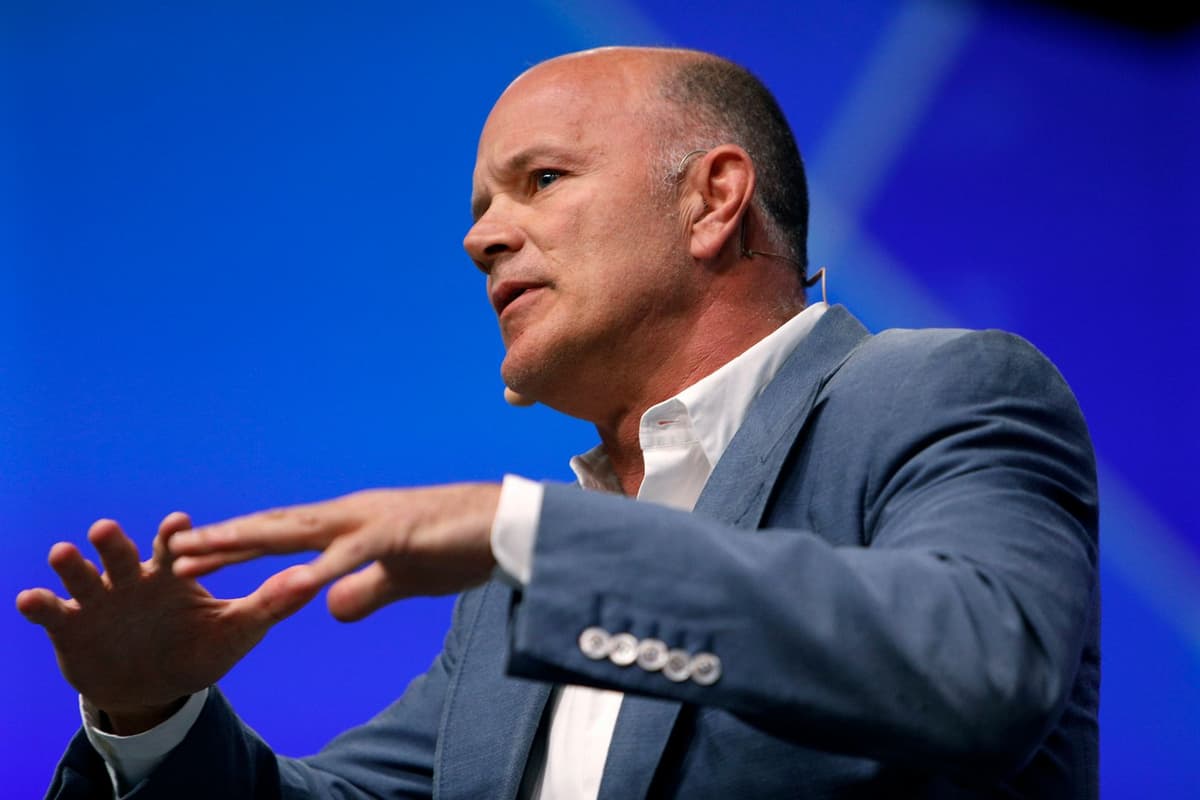
The $9 billion Bitcoin liquidation disclosed by Galaxy Digital’s CEO Mike Novogratz marks one of the largest single‑client exits in the crypto space. Executed as an estate‑planning move by a Satoshi‑era investor, the trade unfolded over several weeks, adding downward pressure to an already volatile market. Novogratz framed the sale as a symptom of a broader profit‑taking cycle, noting that the once‑unquestioned “HODL” ethos is eroding among early adopters. The scale of the transaction underscores how even the most entrenched holders are now weighing risk‑adjusted exits.
At the heart of the debate is the looming quantum‑computing threat to Bitcoin’s elliptic‑curve signatures. Shor’s algorithm, if run on a machine with millions of qubits, could derive private keys from publicly exposed addresses, potentially compromising roughly one‑third of the total supply that has already revealed its public key. Grover’s algorithm poses a secondary risk by accelerating brute‑force attacks on hash functions. While today’s quantum hardware caps at a few hundred qubits, research trajectories suggest that the necessary scale may be reached within the next decade, turning a theoretical vulnerability into a practical concern.
The prospect of quantum‑breakable cryptography is prompting both defensive and strategic moves across the blockchain ecosystem. Cardano’s founder Charles Hoskinson has already pledged quantum‑resistant upgrades, while Bitcoin developers such as Adam Back are investigating post‑quantum signature schemes. Institutional investors are responding cautiously; for example, Jefferies trimmed its Bitcoin allocation citing quantum risk. As the industry balances the cost of protocol changes against the probability of an attack, the conversation is shifting from speculative hype to concrete roadmap planning, signaling a new era of security‑first thinking in digital assets.
Why a $9 billion bitcoin sale by single Galaxy client reignites quantum threat debate
0
Comments
Want to join the conversation?
Loading comments...