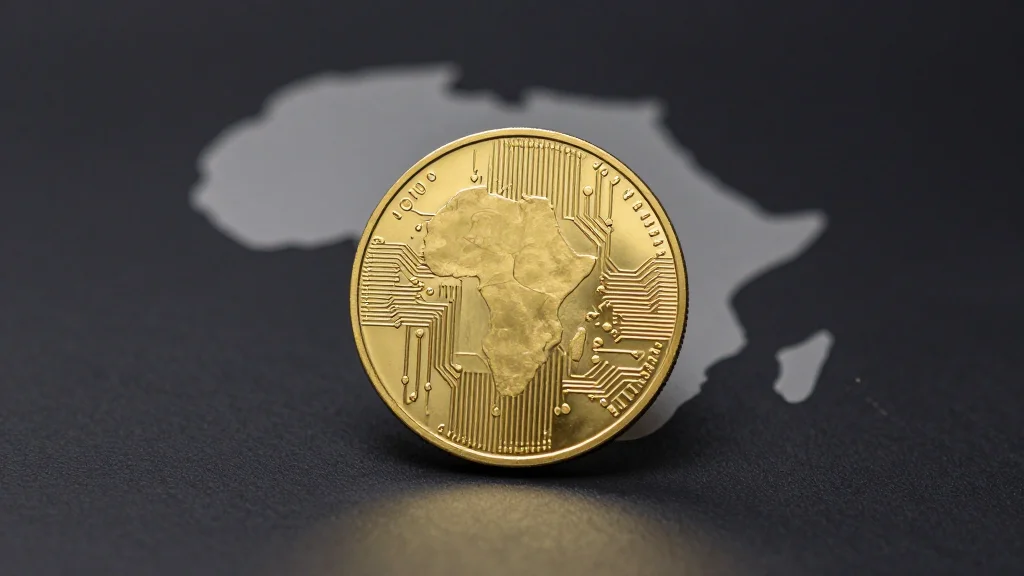
Why Are Stablecoins Gaining Real Traction in Africa?
Why It Matters
The surge enables cheaper cross‑border transfers and broader dollar access, reshaping financial inclusion while prompting policymakers to balance innovation with monetary‑policy risks.
Key Takeaways
- •Stablecoin market >$300B, 500% growth five years.
- •Africa leads ownership at 79%, fastest growth.
- •Nigeria $22B transactions; South Africa overtakes Bitcoin.
- •Stablecoins lower remittance fees, provide dollar liquidity.
- •Regulators draft frameworks, encouraging fintech‑bank integration.
Pulse Analysis
The first stablecoin, BitUSD, emerged in 2014 on the BitShares platform, attempting to tether digital value to the U.S. dollar through over‑collateralization. Its eventual collapse highlighted the technical challenges of maintaining a peg, but it also proved a persistent demand for a reliable digital dollar. Modern designs—backed by diversified collateral, algorithmic controls, or fiat reserves—have learned from those early missteps, allowing the sector to scale dramatically and attract users seeking price stability in volatile economies.
Today, Africa is the epicenter of that growth. According to BVNK, 79 % of African crypto users hold stablecoins, and transaction volume in sub‑Saharan Africa reached 43 % of all crypto activity in 2024. Nigeria’s $22 billion in stablecoin trades and South Africa’s shift from Bitcoin to stablecoins illustrate how these assets serve as both a store of value and a medium of exchange. They cut remittance costs, bypass scarce hard‑currency channels, and integrate with mobile‑money platforms, enabling everyday payments without the need for traditional banking infrastructure.
Policymakers are responding with nascent regulatory regimes that aim to protect consumers while fostering innovation. Mauritius, Kenya, and Ghana have introduced licensing frameworks for virtual asset service providers, and South Africa is moving toward clearer supervisory guidance. The next wave will likely involve local‑currency stablecoins, deeper bank‑fintech collaborations, and interoperable wallets that hide blockchain complexity from end users. Successful integration could unlock new use cases in trade finance and supply‑chain payments, cementing stablecoins as a cornerstone of Africa’s evolving financial ecosystem.
Why Are Stablecoins Gaining Real Traction in Africa?
Comments
Want to join the conversation?
Loading comments...