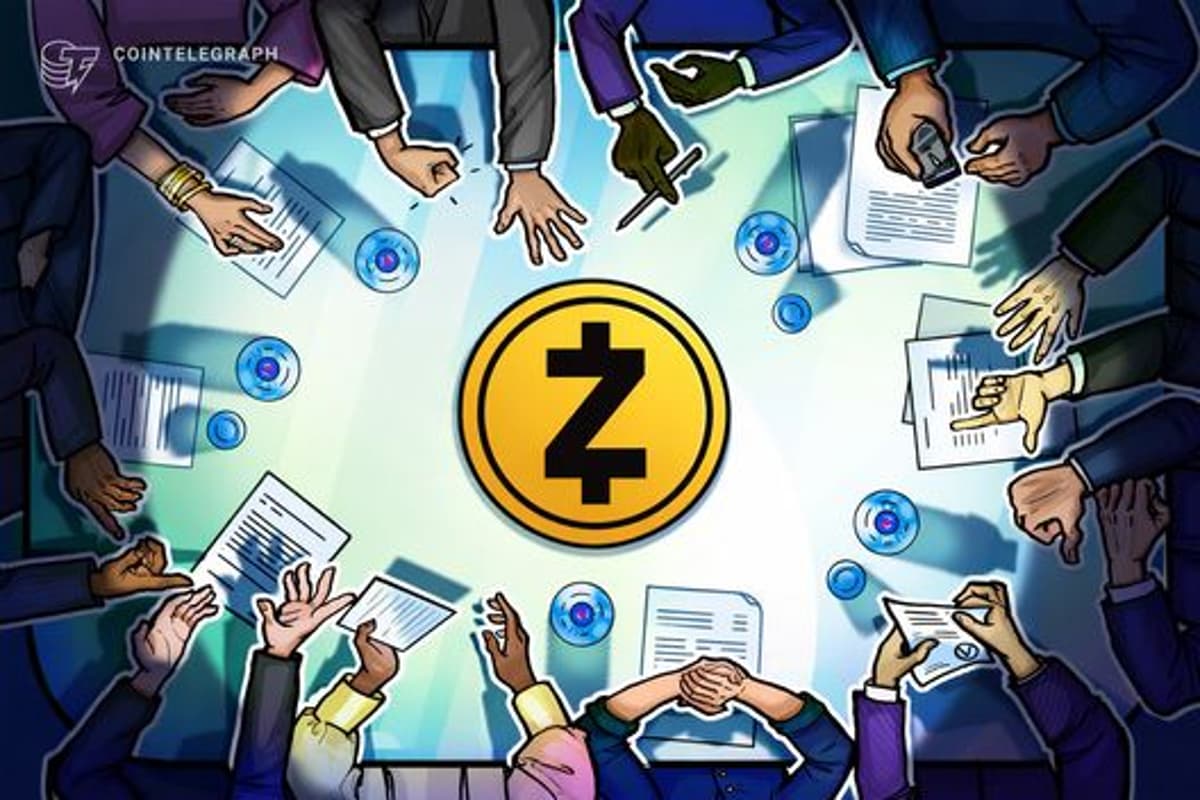
Zcash Backer Bootstrap Says Split Due to Clash over Nonprofit Rules, Zashi Future
•January 8, 2026
0
Why It Matters
The dispute underscores the tension between open‑source crypto missions and the need for scalable funding, potentially reshaping Zcash’s governance and capital strategy. It also raises regulatory risk for donors, which could affect ecosystem stability.
Key Takeaways
- •Bootstrap cites nonprofit law limits on external investment.
- •ECC split to form new for‑profit entity.
- •Zashi wallet privatization discussed amid governance dispute.
- •Potential donor lawsuits could force Zashi back to ECC.
- •ZEC token down 13% while whales buy $2M total
Pulse Analysis
Zcash’s unique position as a privacy‑focused, open‑source cryptocurrency has long been supported by a nonprofit structure that aligns with its public‑good mission. However, the recent split between Bootstrap and the Electric Coin Company highlights a growing friction: nonprofit entities are constrained by 501(c)(3) regulations that prohibit seeking equity financing. As the crypto market matures, projects increasingly need substantial capital to compete on user experience, security, and regulatory compliance, prompting stakeholders to reconsider whether a nonprofit model can sustain long‑term growth.
At the heart of the disagreement is Zashi, the self‑custodial wallet designed for private Zcash transactions. Bootstrap’s board explored external investment and alternative structures to privatize Zashi, arguing that a for‑profit vehicle could unlock “large amounts” of capital and accelerate development. Yet such a move raises legal complexities, including potential donor lawsuits that could force assets back to ECC and jeopardize the ecosystem’s public‑good orientation. The debate reflects a broader industry challenge: balancing decentralized, community‑driven governance with the financial muscle required to scale privacy solutions in a competitive market.
Market participants reacted swiftly. ZEC’s price slipped roughly 13% in a single day, even as whales added nearly $2 million in new positions, signaling confidence among large holders despite short‑term volatility. This price movement illustrates how governance turbulence can translate into immediate market risk, especially for tokens tied to evolving development teams. For investors and regulators alike, the Zcash split serves as a case study in how legal structures, funding strategies, and community trust intersect to shape the future trajectory of privacy‑centric blockchain projects.
Zcash backer Bootstrap says split due to clash over nonprofit rules, Zashi future
0
Comments
Want to join the conversation?
Loading comments...