Founding Father of Blockchain: Scott Stornetta on Bitcoin, Identity, and the Future of Trust Online
Why It Matters
Stornetta’s insights show that blockchain’s immutable, decentralized trust is moving from theory to critical infrastructure, reshaping finance, property rights, and digital identity for enterprises and governments alike.
Key Takeaways
- •Bitcoin serves as the ultimate decentralized backup system for financial institutions.
- •Immutable ledgers ensure records are publicly visible, preventing tampering.
- •Land registries could eliminate title insurance through transparent blockchain records.
- •Stablecoins emerge as crypto's killer app, bridging traditional finance.
- •AI agents will need blockchain‑based identity to verify authenticity.
Summary
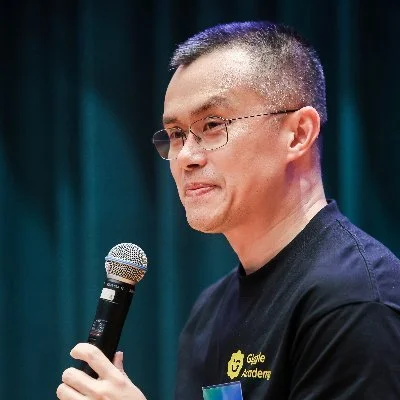
In a Binance Studio interview, blockchain pioneer Scott Stornetta—cited in the Bitcoin white paper—reflects on the technology’s trajectory from its cryptographic roots to its 2026 mainstream presence. He emphasizes that Bitcoin now functions as the world’s most reliable backup system, illustrating how decentralization eliminates single points of failure that traditional banks still fear. Stornetta breaks down the core principle of immutability, likening the public ledger to a real‑time "Truman Show" where millions of participants constantly audit every entry. This transparency, he argues, can revolutionize sectors such as land registration, removing costly title searches and insurance by making ownership records permanently visible. He highlights concrete progress: governments holding strategic Bitcoin reserves, stablecoins becoming the “killer app” that links fiat and crypto, and blockchain‑secured voting pilots in Latin America that restore confidence in elections. The conversation also turns to the emerging convergence of AI and blockchain, where autonomous agents will require tamper‑proof identity verification to operate safely in a world where “seeing is no longer believing.” The interview underscores that widespread adoption hinges on extending blockchain’s trust model beyond speculative assets to real‑world infrastructure, regulatory frameworks, and AI‑driven interactions—signaling a shift from niche innovation to foundational economic architecture.
Comments
Want to join the conversation?
Loading comments...