A Counterintelligence Profile: Are High-Fliers Ready?
Key Takeaways
- •Gulf states boost air defense spending amid alliance fragmentation.
- •Lack of unified counterintelligence hampers response to Iranian and Israeli operations.
- •Proposed three‑fold strategy: layered intel coalition, localized defense, revived MESA concept.
- •Dependence on U.S. focus risks Gulf’s strategic autonomy.
- •Interoperability gaps persist despite rapid procurement of modern weaponry.
Pulse Analysis
The Middle East’s security landscape is being reshaped by a paradox of rapid hardware acquisition and persistent intelligence gaps. Gulf nations have poured billions into multi‑layered air‑defence systems, yet the absence of a shared counterintelligence doctrine leaves them exposed to sophisticated Iranian cyber‑espionage and Israeli surveillance. This disconnect underscores a broader strategic dilemma: modern weaponry alone cannot compensate for fragmented intelligence sharing, especially when traditional coalition structures have repeatedly unraveled.
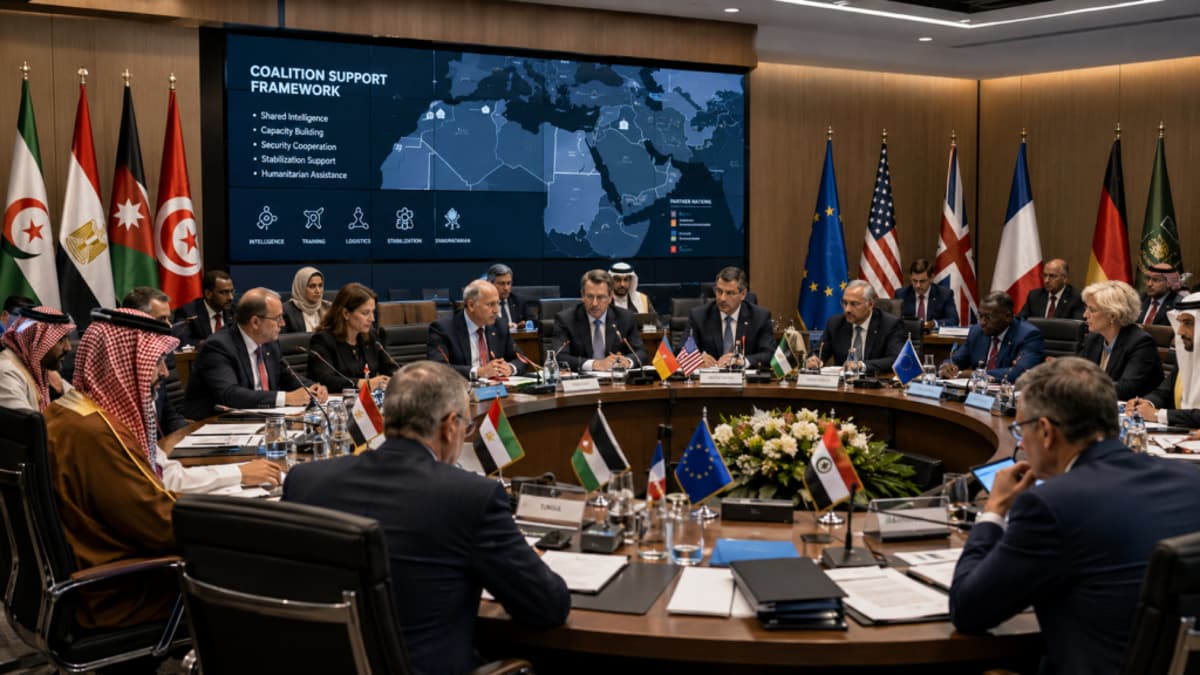
Analysts suggest three pathways to bridge the intelligence void. First, a regional coalition modeled on the Five Eyes alliance could synchronize data‑fusion, threat‑assessment, and operational planning across Saudi Arabia, the UAE, Egypt, Turkey, and even Iran under strict safeguards. Second, continued investment in localized defense production can foster indigenous expertise, reducing reliance on external suppliers while creating a domestic talent pool for intelligence analysis. Third, reviving concepts like the Middle East Strategic Alliance (MESA) would provide a political framework for joint counterintelligence initiatives, though past attempts have faltered due to mistrust and shifting geopolitics.
The stakes extend beyond regional power balances. A robust MENA counterintelligence network would diminish the United States’ burden as the primary security guarantor, stabilizing global oil flows and curbing escalation risks that could draw major powers into direct conflict. For policymakers and defense contractors, the message is clear: integrating intelligence capabilities with existing defense hardware is no longer optional—it is a strategic imperative for the Gulf’s long‑term autonomy and for maintaining broader international security.
A Counterintelligence Profile: Are High-Fliers Ready?
Comments
Want to join the conversation?