Key Takeaways
- •AI lowers barrier for terrorist weaponization
- •Open-source models lack robust abuse controls
- •Autonomous drones enable remote targeted attacks
- •Policy must criminalize malicious model fine‑tuning
- •Firms should monitor and restrict model misuse
Pulse Analysis
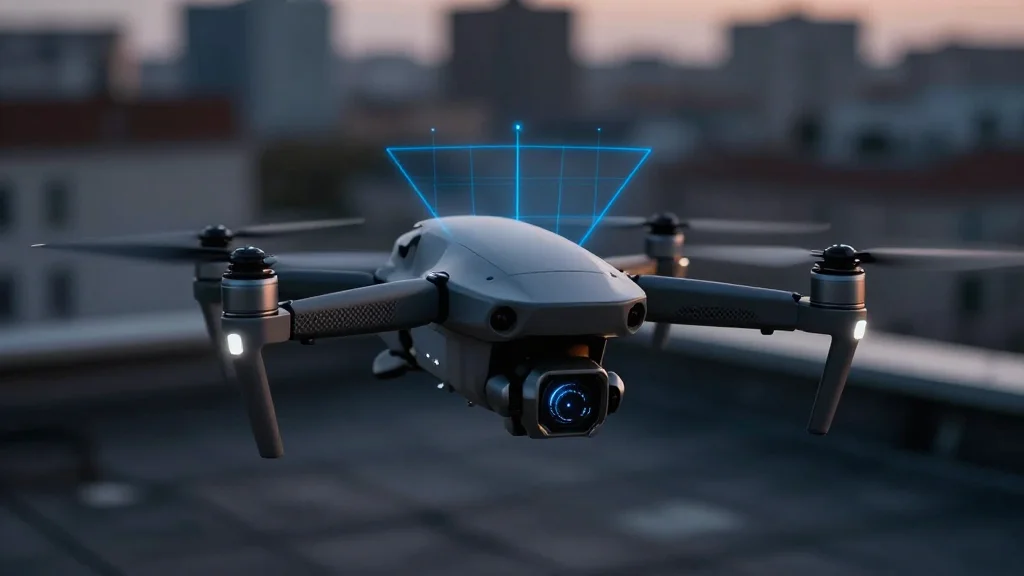
The rapid convergence of artificial intelligence, robotics, and low‑cost sensors is democratizing advanced violence. Historically, sophisticated weapon systems required state resources, but today even small extremist cells can embed AI models into off‑the‑shelf drones or improvised devices. These tools enable precise, remote attacks without extensive technical expertise, altering the calculus of low‑intensity conflict and internal security. As AI lifts the capability floor, the strategic impact shifts from large‑scale, state‑on‑state confrontations to a proliferation of targeted, autonomous assaults that can destabilize societies with minimal footprint.
Open‑source and open‑weight AI models are at the heart of this emerging threat. Unlike closed‑source systems guarded by corporate safety protocols, publicly released models can be downloaded, fine‑tuned, and deployed on inexpensive hardware. Their accessibility makes them attractive to terrorist operatives seeking to customize vision or decision‑making modules for specific targets. While these models lack the raw power of cutting‑edge foundation models, they are sufficient for tasks such as vehicle classification, facial detection, or gender inference—capabilities that can guide autonomous weaponry. The absence of built‑in misuse detection and the ease of redistribution amplify the risk, creating a gap that current regulatory frameworks have yet to address.
Policymakers and AI firms must act jointly to contain this sub‑existential danger. Legislative measures should explicitly criminalize the intentional fine‑tuning of models for violent purposes and treat such activity as material support for designated terrorist organizations. Meanwhile, companies hosting or distributing open models need robust monitoring teams, usage‑policy enforcement, and rapid response mechanisms to curb abusive deployments. Balancing these safeguards with the need for continued innovation will be critical; a nuanced approach that targets misuse rather than stifling research can preserve AI’s societal benefits while reducing the likelihood of autonomous terror attacks.
AI and the New Blueprint of Terrorism
Comments
Want to join the conversation?