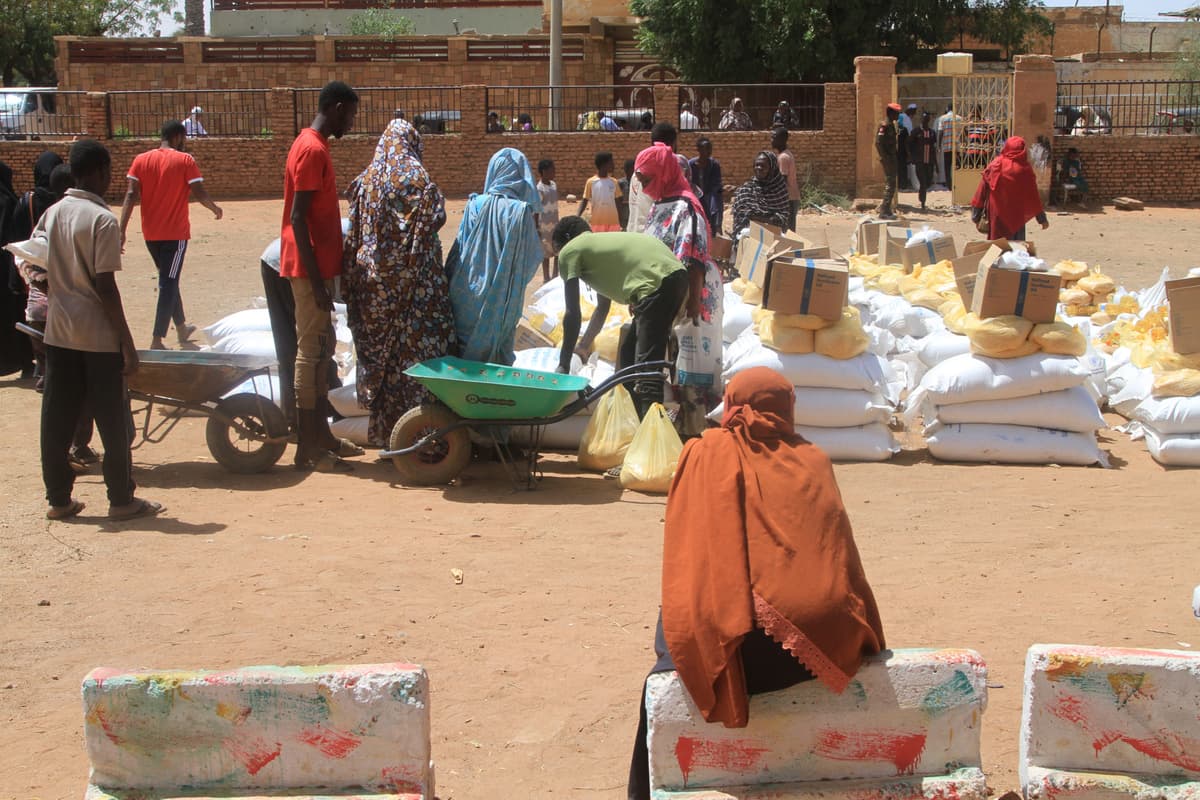
Amid Shaky Ceasefire, War in Iran Is Starving Sudan
Key Takeaways
- •Iran's Strait of Hormuz closure disrupts humanitarian shipments to Sudan
- •Fertilizer and food aid delays add three weeks to transport via Cape
- •UN World Food Programme funding shortfall now 94.5% unmet, $2.9 B needed
- •Shipping firms charge $3,000 emergency surcharge per container in Dubai hub
- •Aid groups' costs rose up to 30% from oil price spike
Pulse Analysis
The renewed cease‑fire between Tehran and Washington has eased direct combat, yet the strategic bottleneck at the Strait of Hormuz persists. While the waterway handles more than 20 percent of global oil shipments, it also serves as a conduit for essential humanitarian cargo—fertilizers, grain, vaccines and medical kits that flow through the International Humanitarian City in Dubai. With Iranian forces still controlling the chokepoint, uncertainty has forced carriers to impose a $3,000 emergency surcharge per container and to consider alternative routes that add weeks to delivery times. This logistical shock reverberates far beyond the Middle East, reshaping aid supply chains worldwide.
In Sudan, the ripple effects are stark. The country imports over half of its fertilizer from the Gulf, so the strait’s closure jeopardizes planting cycles for the 2026 harvest, while food aid that normally moves through Dubai now faces a three‑week detour around the Cape of Good Hope. The International Rescue Committee reported $130,000 in medicines for 20,000 patients stranded, and Save the Children flagged $600,000 in essential drugs awaiting clearance. Meanwhile, the UN World Food Programme’s budget has slashed from $14 billion in 2022 to $6.4 billion, leaving only 5.5 percent of the $2.9 billion required for Sudan’s 2026 response funded.
Policymakers are urged to decouple humanitarian logistics from the volatile security arena. Establishing a UN‑led task force within OCHA to monitor strait traffic, coupled with a multinational air‑bridge modeled on the COVID‑19 response, could bypass maritime delays and lower transport costs. At the same time, donor nations must unlock flexible financing that can absorb sudden price spikes—oil‑driven cost increases have already pushed NGO operating budgets up by 30 percent. Without swift coordination, the convergence of war‑induced supply chain disruption and chronic funding gaps risks turning Sudan’s famine into a protracted regional crisis.
Amid Shaky Ceasefire, War in Iran Is Starving Sudan
Comments
Want to join the conversation?