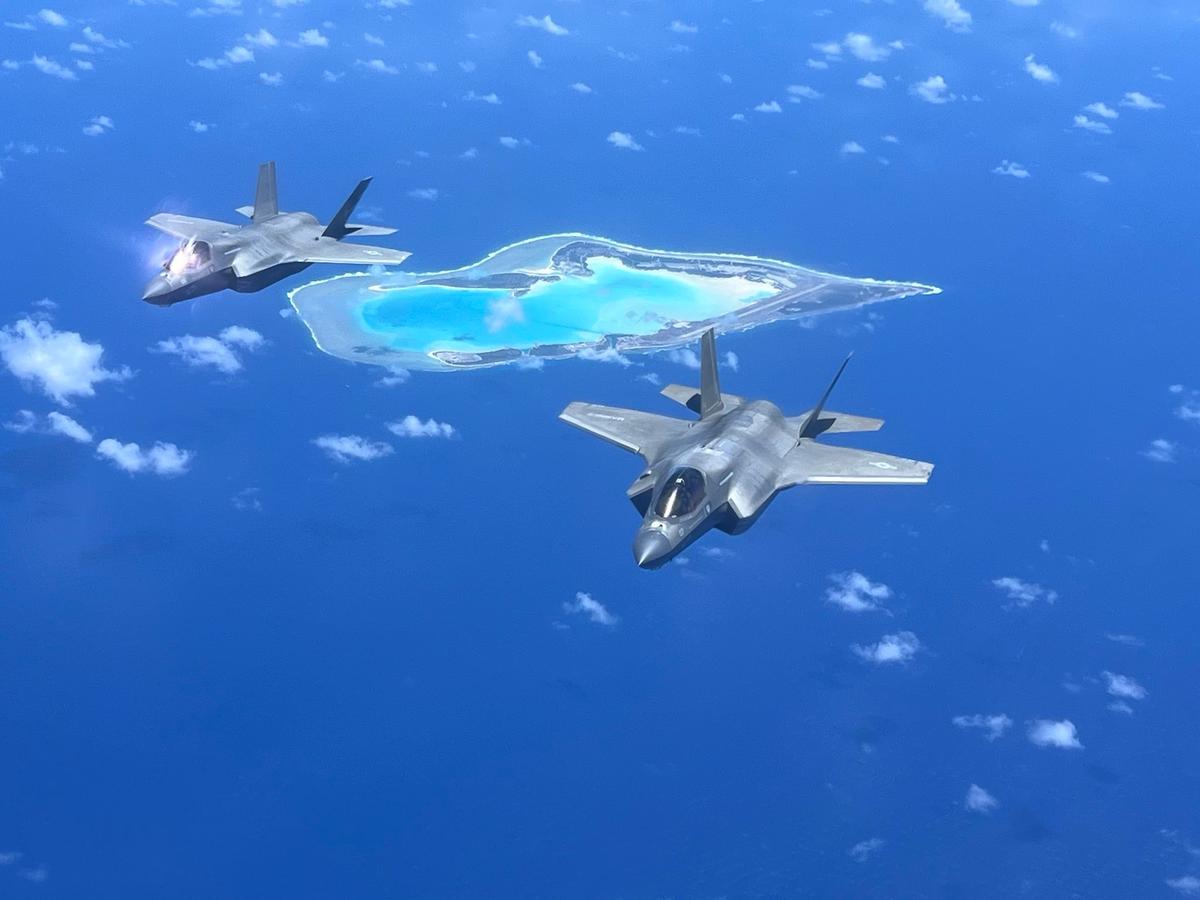
Another WWII Outpost Reemerges in the Pacific to Support Classified U.S. Missions
Key Takeaways
- •Navy reactivates Wake Island airfield after 70 years of limited use.
- •Maritime patrol aircraft will conduct classified missions for forward‑deployed intelligence unit.
- •Effort part of broader Pentagon plan to refurbish WWII Pacific bases.
- •Enhances US deterrence as Chinese navy expands farther into Pacific.
Pulse Analysis
Wake Island, a 3.7‑square‑mile atoll situated roughly midway between Guam and Hawaii, has long served as a logistical waypoint for the United States. After the Japanese attack in December 1941, the island’s Marine garrison was evacuated, and the airfield fell into a low‑profile, caretaker status. Over the past seven decades the runway saw only occasional use for emergency landings and training stopovers, leaving much of the infrastructure dormant. The Navy’s decision to reactivate the field marks the first sustained operational presence since World War II.
The move fits into a Pentagon‑wide initiative to refurbish a network of World War II‑era airfields across the Pacific, including sites in the Northern Mariana Islands and other remote outposts. As Beijing expands its blue‑water fleet and establishes forward bases farther from its mainland, Washington is seeking to close gaps in aerial surveillance and rapid response capability. Modernizing these historic runways allows the service to station maritime patrol and intelligence‑gathering platforms closer to contested zones without relying solely on larger, more vulnerable bases like Guam.
Deploying maritime patrol aircraft to Wake Island will support a classified, forward‑deployed naval intelligence unit tasked with monitoring maritime traffic and gathering signals intelligence across a vast swath of the western Pacific. The proximity to key sea lanes shortens transit times, boosts sortie rates, and provides the United States with a persistent eyes‑in‑the‑sky capability that can be integrated with satellite and undersea assets. Analysts view the reactivation as a signal that the U.S. is willing to invest in forward infrastructure to counterbalance China’s growing maritime assertiveness.
Another WWII outpost reemerges in the Pacific to support classified U.S. missions
Comments
Want to join the conversation?