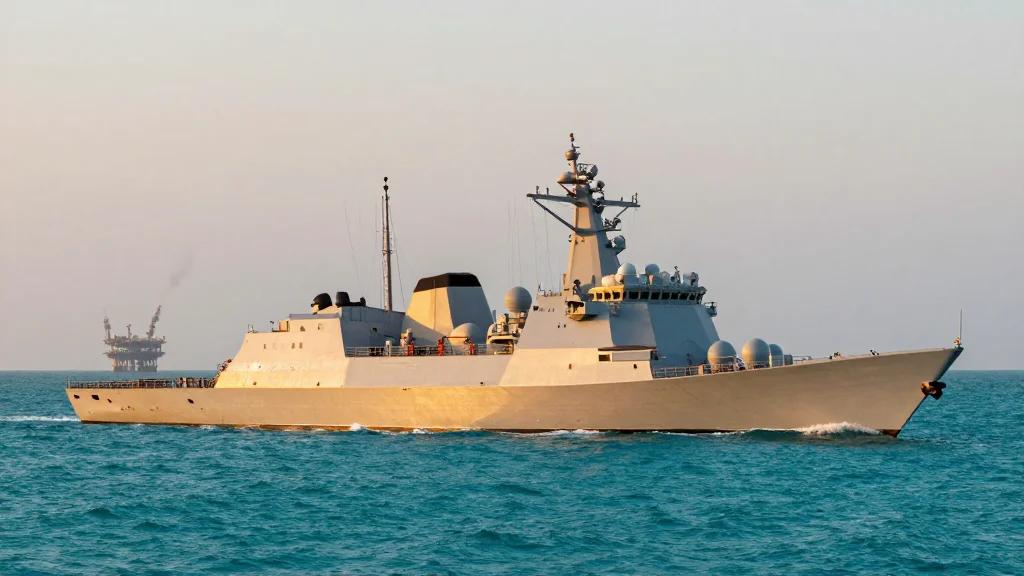
Arabian Peninsula Security Beyond the Iran War
Key Takeaways
- •Iran's direct missile strike on Saudi oil facilities marks new threat level
- •Gulf states accelerate defense partnerships with the United States and France
- •Regional naval patrols increase to protect Strait of Hormuz shipping lanes
- •Energy markets react, pushing oil prices above $90 per barrel
- •Saudi invests in indigenous missile defense to counter Iranian capabilities
Pulse Analysis
The February 28 escalation in Iran has shattered the fragile equilibrium that once defined the Arabian Peninsula’s security architecture. Prior to the conflict, Gulf Arab states relied on a combination of diplomatic deterrence and limited military readiness to counter Tehran’s ambitions. The sudden transition from a speculative threat to an actual missile strike on Saudi oil facilities has forced policymakers to reassess risk calculations, acknowledging that Iranian aggression can now manifest beyond proxy wars and into direct attacks on critical energy infrastructure.
In response, Gulf nations are accelerating defense procurement and deepening strategic alignments with the United States, France, and other NATO allies. New joint exercises, expanded forward‑deployed U.S. forces, and accelerated acquisition of advanced air‑defense systems illustrate a rapid pivot toward hard power. Saudi Arabia, in particular, is investing heavily in indigenous missile‑defense capabilities to reduce reliance on external guarantees. These moves aim to secure the Strait of Hormuz, safeguard oil export routes, and deter further Iranian incursions, while also signaling to regional rivals that the Gulf will not tolerate unchecked aggression.
The security shockwave is already rippling through global energy markets. Heightened risk premiums have lifted Brent crude above $90 a barrel, prompting investors to reassess supply‑demand dynamics. Prolonged instability could disrupt the flow of roughly 30 million barrels per day that transit the Gulf, compelling multinational corporations to diversify sourcing and hedge against price volatility. As the conflict evolves, the interplay between regional defense postures and energy security will shape both geopolitical strategies and market expectations for years to come.
Arabian Peninsula Security Beyond the Iran War
Comments
Want to join the conversation?